
The Ocean's Perilous Depths: 10 Dangerous Places in the World's Waters
From Shark-Infested Shores to Treacherous Currents, Exploring the Ocean's Most Hazardous Zones

The ocean, our life-giving source, can also be a formidable and unforgiving force. From the depths of enigmatic sinkholes to the treacherous grip of powerful currents, these 10 locations represent some of the most dangerous places in the world's oceans.
1. The Blue Hole of Dahab, Egypt: A Diver's Cemetery
This mesmerizing underwater cave, plunging over 100 meters into the Red Sea, has earned the grim moniker "Diver's Cemetery." Its allure – easy access, stunning coral formations, and a seemingly benign entrance – masks a deadly reality.
* The Descent: The cave features a shallow opening, followed by a long, narrow tunnel. The bottom slopes steeply downwards, reaching depths exceeding 120 meters.
* A History of Tragedy: Numerous divers, both experienced and inexperienced, have met their demise within its depths. The lack of surface waves and underwater currents, while initially appealing, can lull divers into a false sense of security.
* The Fate of Yuri Lipsky: The tragic story of Yuri Lipsky, who accidentally filmed his own death in the Blue Hole, serves as a chilling reminder of the dangers. His footage, capturing his descent into the abyss and the onset of nitrogen narcosis, remains a stark warning.
* The Bone Collector: Tark Omar, a local diver, has earned the grim nickname "The Bone Collector" for his efforts in recovering the bodies of numerous victims from the Blue Hole.
2. The Great Blue Hole, Belize: A Hidden Abyss
1Located off the coast of Belize, the Great Blue Hole is a massive underwater sinkhole, formed during the last ice age.
* An Expedition into the Unknown: A recent expedition, led by Richard Branson and Fabien Cousteau, revealed a startling reality: a layer of hydrogen sulfide, a toxic gas, pervades the lower depths.
* A Zone of Death: The presence of hydrogen sulfide and the absence of oxygen create a "death zone" at the bottom of the hole, where no life can survive.
* Ancient Secrets: The expedition also uncovered a breathtaking sight: massive stalactites, formed when the hole was a dry cave, now tilted at an angle due to tectonic shifts.
3. New Smyrna Beach, Florida:The Shark Bite Capital of the World
Despite its idyllic beauty, New Smyrna Beach holds a notorious title: the "Shark Bite Capital of the World."
* A High-Risk Zone: The area experiences a significantly higher frequency of shark encounters than any other location in the United States.
* The Reasons Behind the Risk: The surf zone, where both surfers and sharks congregate in search of prey, increases the likelihood of accidental encounters.
* Living with the Risk: While the risks are real, many surfers continue to frequent the beach, drawn by the thrill of the possibility of a shark sighting.
4. Queen's Bath, Kauai, Hawaii: A Tidal Trap
This seemingly serene cove, once a bathing spot for Hawaiian royalty, has earned the ominous name "Pool of Death" due to its treacherous tides.
* The Sudden Onslaught: Unexpectedly high tides can crash into the cove with immense force, sweeping swimmers off the rocks and dragging them out to sea.
* Ignoring the Warnings: Despite numerous warnings and tragic incidents, visitors continue to flock to Queen's Bath, often disregarding safety precautions.
* A Constant Danger: Even the path leading to the pool presents hazards, with steep cliffs and the risk of falls.
5. The Drake Passage: A Graveyard of Ships
This treacherous stretch of water, separating South America from Antarctica, is notorious for its violent storms, strong currents, and unpredictable icebergs.
* A History of Shipwrecks: Countless ships have met their demise in the Drake Passage, including the ill-fated SS Lucitania.
* Modern-Day Dangers: Even today, the passage remains a challenging route for mariners, with rogue waves and unpredictable weather conditions posing significant risks.
* The Legacy of Fear: The Drake Passage has earned a place in maritime folklore, inspiring tales of peril and the legendary "Flying Dutchman," a ghost ship doomed to sail these treacherous waters forever.
6. Queensland, Australia: The Land of Crocodiles
North Queensland, known as "Croc Country," is home to a thriving population of saltwater crocodiles, posing a significant threat to humans.
* A Growing Threat: The crocodile population in Queensland has been steadily increasing, leading to a rise in human-crocodile encounters.
* Living with the Danger: Residents and visitors alike must be vigilant, adhering to safety guidelines and avoiding crocodile-infested waters, especially at dusk and dawn.
* Beyond Crocodiles: Queensland also harbors other dangers, such as the highly venomous blue-ringed octopus, which can deliver a potentially fatal bite.
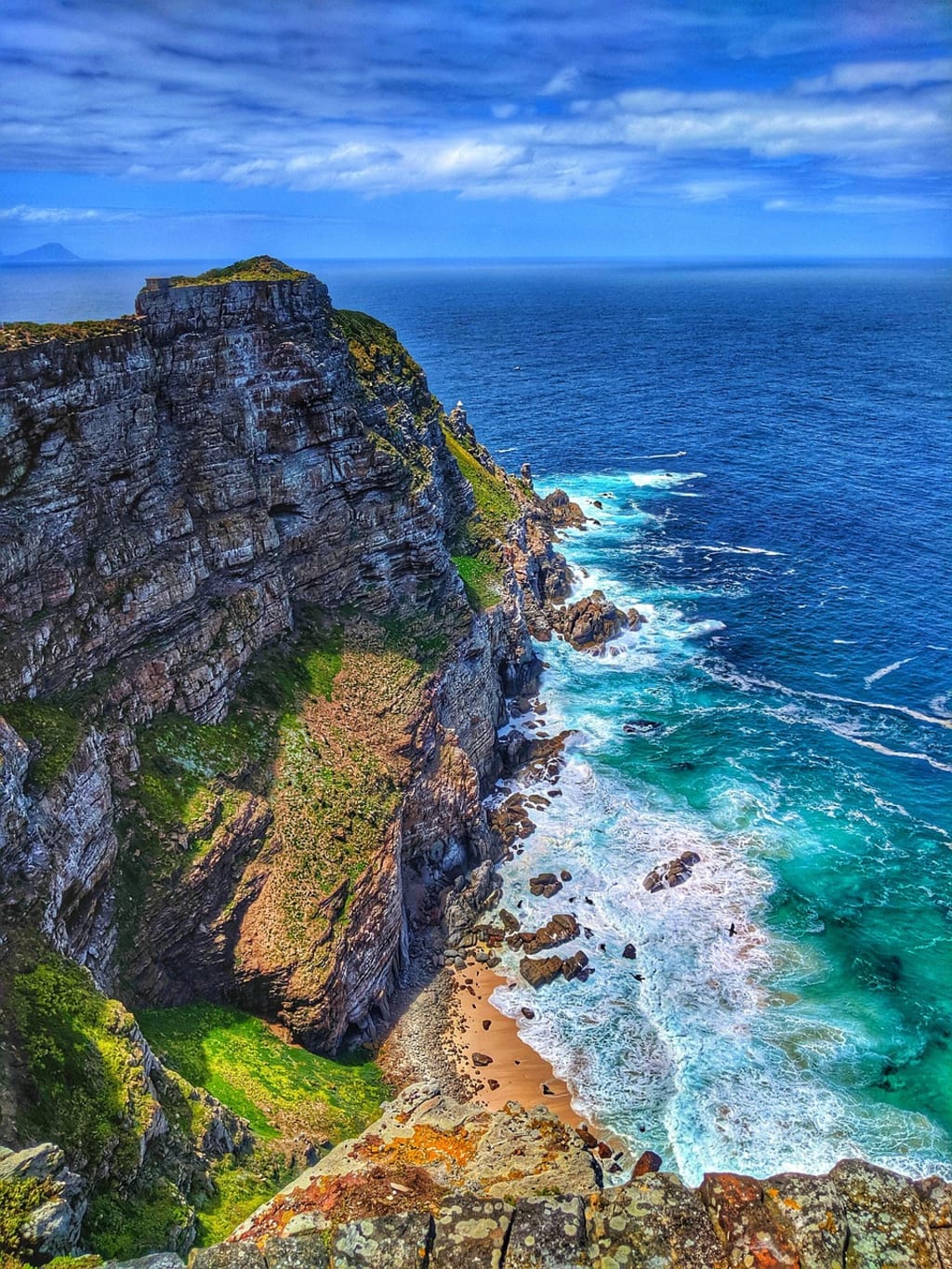
7. The Cape of Good Hope, South Africa: A Shipwreck Alley
Despite its name, the Cape of Good Hope has claimed countless ships, earning it the reputation of a perilous maritime graveyard.
* A Convergence of Forces: The meeting of warm and cold currents, combined with strong winds, creates treacherous conditions for ships navigating the cape.
* A History of Tragedy: Numerous shipwrecks, including the ill-fated SS Thomas Tucker, have occurred in the waters around the Cape of Good Hope.
* The Shipwreck Trail: Today, visitors can explore the "Shipwreck Trail," a poignant reminder of the dangers that have claimed countless lives in these waters.
8. The Red Triangle, California: The Great White Shark's Domain
The waters off the California coast, particularly within the "Red Triangle," are known for their high concentration of great white sharks.
* A Growing Population: The resurgence of the great white shark population has led to an increase in shark encounters, including both fatal and non-fatal incidents.
* Living with the Predators: While the risk of a shark attack remains relatively low, it is crucial for those enjoying ocean activities in California to be aware of the potential dangers and take necessary precautions.
9. The Sargasso Sea: A Sea of Wreckage
This unique region of the Atlantic Ocean, defined by ocean currents rather than landmasses, has a long and intriguing history.
* The Sargassum Seaweed Trap: Dense mats of sargassum seaweed can impede ship navigation and entangle vessels, contributing to numerous shipwrecks in the past.
* The "Sea of Ghosts": The calm conditions within the Sargasso Sea can also prove treacherous for sailing ships, leaving them becalmed and vulnerable.
* A Modern-Day Challenge: Today, excessive sargassum growth poses environmental challenges, impacting coastal ecosystems and human health.
10. The Devil's Sea, Japan: A Region of Mystery and Myth
This enigmatic region of the Pacific Ocean, also known as the Dragon Triangle, is shrouded in mystery and legend.
* A History of Disappearances: Numerous ships and aircraft have vanished without a trace within the Devil's Sea, fueling tales of supernatural forces and underwater dragons.
* Scientific Explanations: While some attribute the disappearances to paranormal phenomena, scientific explanations, such as methane hydrate eruptions and unpredictable weather patterns, offer more plausible theories.
* A Region of Caution: The Devil's Sea continues to intrigue and fascinate, serving as a reminder of the ocean's power and the enduring mysteries that lie beneath its surface.
These 10 locations represent just a glimpse into the ocean's.
About the Creator
Lisa Ann Bastiaan
Fueled by curiosity and a passion for truth, I delve into mysteries, science, and human psychology. Through storytelling, I uncover the unknown, spark discovery, and ignite meaningful conversations about the fascinating.
Keep reading
More stories from Lisa Ann Bastiaan and writers in Earth and other communities.
Lost in the Depths: Exploring Earth's Most Remote Locations
The world is vast, and although it might feel like every corner has been mapped and populated, there are still places where the sheer remoteness is staggering. These are places so isolated that the nearest human being could be thousands of kilometers away. For those seeking solitude—or perhaps the ultimate test of survival—here’s a journey through some of the most remote locations on Earth and how you might escape them.
By Lisa Ann Bastiaan12 months ago in Earth
The AI Boom Will Increase U.S. Carbon Emissions—But It Doesn’t Have to
Artificial intelligence is reshaping the U.S. economy at a breathtaking pace. From generative AI tools and cloud computing to data-driven healthcare and finance, the AI boom promises productivity gains, innovation, and economic growth. But beneath this technological optimism lies a growing concern: AI is energy-hungry, and without intervention, it could significantly increase U.S. carbon emissions.
By Muhammad Hassana day ago in Earth
Do Not Touch the Roses
There is a quiet power in the phrase “Do Not Touch the Roses.” It sounds like a warning, but it feels like an invitation — one that asks us to pause, admire, and respect something without claiming it. Roses have long symbolized love, beauty, and passion, yet they are also guarded by thorns. That contradiction makes them the perfect metaphor for many of life’s most meaningful things.
By Aarif Lashari4 days ago in Earth

Comments
There are no comments for this story
Be the first to respond and start the conversation.