
The most dangerous travel destinations in the world
the most dangerous travel destinations in the world.

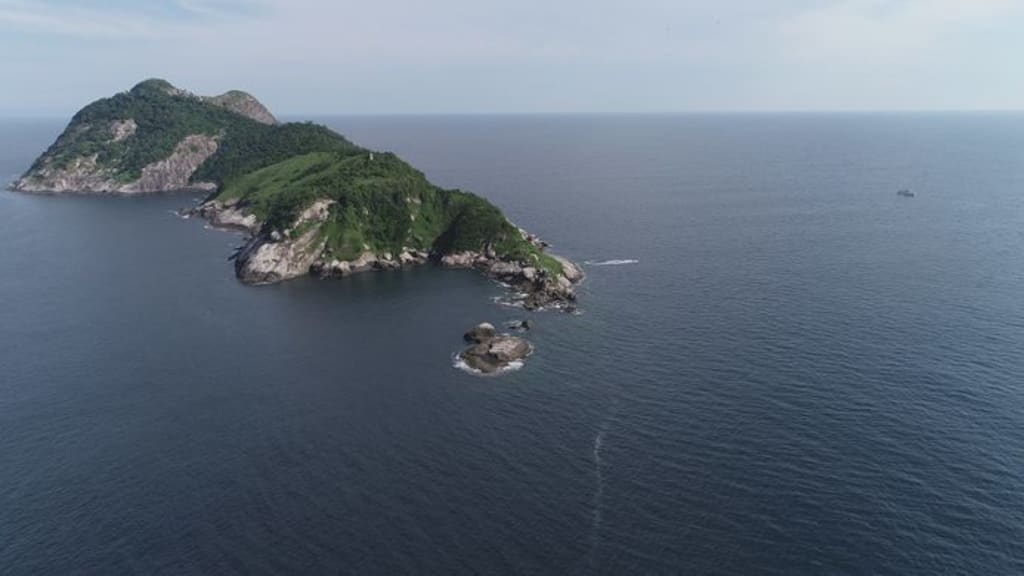
In the vast expanse of the Atlantic Ocean, about 35 kilometers off the coast of Brazil, lies an island shrouded in mystery and fear. This place is Cue Mata Grande, better known as Snake Island, and it has earned a reputation as one of the most dangerous travel destinations in the world. This article delves deep into the enigmatic world of Snake Island, unraveling its dark secrets, its deadly inhabitants, and the reasons why it remains an untouched and forbidden place for tourists..
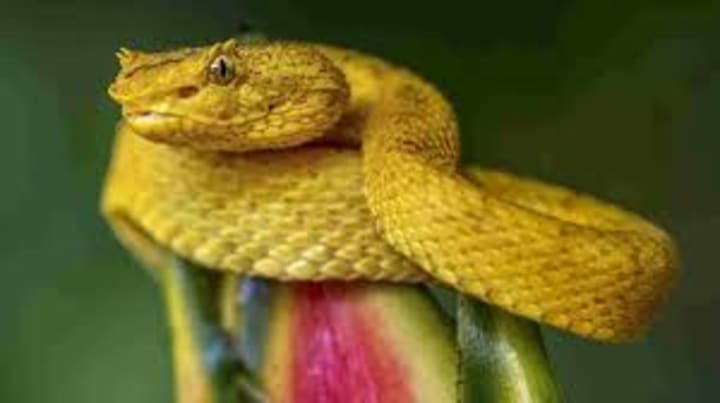
The island's history is shrouded in intrigue, dating back over 11,000 years when rising sea levels isolated a piece of land from mainland Brazil, creating Snake Island. This geographical separation led to the evolution of a unique ecosystem where snakes found themselves in a challenging situation regarding food resources. Over the centuries, the snakes adapted and evolved, becoming more aggressive and developing potent venom, marking the beginning of the island's deadly reputation.
Today, Snake Island is home to an estimated 12,000 snakes, roughly five snakes per square meter of land. The most notorious resident of the island is the Golden Lancehead (Bothrops insularis), a venomous pit viper endemic to the island. This snake's venom is known for causing necrosis of muscle tissue, leading to a swift and painful demise for its victims. Even a small mouse bitten by this serpent dies within seconds.
The island's venomous inhabitants are not solely limited to birds and lizards; they are also a constant threat to humans. Numerous tales of encounters with the snakes describe the horror that victims experienced. When bitten, the venom causes severe damage to human flesh, resulting in large blood loss and excruciating pain. Survivor accounts paint a chilling picture of flesh corroding and falling off in whole pieces, leaving behind a trail of destruction.
Throughout history, various attempts have been made to colonize the island, but they have all met with failure and disaster. In the 19th century, Sao Paulo businessmen tried to establish banana plantations on the island, intending to burn the forests and eliminate the snakes. However, as soon as they set foot on the island, they faced relentless attacks from the aggressive serpents, thwarting their plans.
Later attempts involved using protective gear to fend off snake bites, but the combination of hostile snakes and the unforgiving tropical climate proved insurmountable. The workers faced a cruel choice—risk being bitten by venomous snakes or face suffocation in the sweltering heat, as the island lacked the necessary resources for human habitation.
Ultimately, the Brazilian government decided to protect the island and preserve its unique ecosystem. In 1985, Snake Island was declared a reserve, securing its status as a natural snake terrarium. Today, it stands as the largest snake-inhabited territory on Earth, a truly exceptional site for ecologists and wildlife enthusiasts.
While Snake Island is off-limits to tourists due to the perilous danger it poses, it is not without a human presence. A lighthouse was constructed on a partially liberated territory to provide navigational aid to passing ships. However, the lighthouse remains automated, as having a caretaker on the island would be an unnecessary and life-threatening risk.
For those daring enough to venture close to the island, they might witness a chilling sight—large clusters of living snakes. This eerie image is enough to instill fear even in the most audacious individuals, emphasizing the grave danger posed by the island's venomous inhabitants.
Despite its fearsome reputation, Snake Island remains a testament to the resilience and uniqueness of nature. The island serves as a reminder of the delicate balance within ecosystems and the consequences of isolation and adaptation. Preserving Snake Island allows researchers and conservationists to study and learn from this extraordinary natural snake terrarium, potentially shedding light on the secrets of evolution and the delicate interplay between species and their environment.
In conclusion, Snake Island stands as a warning and a marvel—a place where nature's raw power and deadly beauty intertwine. The island's venomous snakes and hostile environment have kept it isolated from human interference, preserving a living laboratory of ecological significance. While its allure may captivate the curious, the dangers that lie within serve as a stark reminder of nature's capacity to evolve and adapt, leaving a lasting impact on the world. For now, Snake Island remains a forbidden paradise, its secrets guarded by the hiss of a thousand serpents.
About the Creator
Keep reading
More stories from suman dewan and writers in Earth and other communities.
Arms Company Ethical Dilemmas: National Security vs. Profit Maximization
In an increasingly interconnected and complex global landscape, arms companies play a pivotal role in shaping national security and geopolitical dynamics. However, this role often leads to ethical dilemmas as these companies must navigate the delicate balance between safeguarding a nation's security and maximizing profits. This essay delves into the intricate ethical considerations that arms companies face when reconciling national security imperatives with profit motives, analyzing the challenges, consequences, and potential solutions to this pressing issue.
By suman dewan2 years ago in Humans
UK-China Relationship in a ‘Good, Strong Place,’ Starmer Says After ‘Productive’ Talks With Xi
The United Kingdom’s relationship with China is in a “good, strong place,” Prime Minister Keir Starmer has said, following what he described as productive talks with Chinese President Xi Jinping. The comments signal a potential recalibration of UK-China relations after years marked by tension, mistrust, and strategic caution.
By Aarif Lashari5 days ago in Earth
After the Storm
After the storm of winter snow there sat a small bear by the name Ted, of course. He loves the snow and likes to roll around in it making all sorts of trails and whatever he has a mind to do. He wondered where all the people are, but in a way, he is hoping that they are all snug in the homes maybe drinking hot chocolate-one of his favorite drinks with mini-marshmallows and eating something homemade for he likes this winter wonderland all to himself to romp and play and maybe even catch some fish down by the river.
By Mark Graham5 days ago in Fiction



Comments
There are no comments for this story
Be the first to respond and start the conversation.