
The Many Benefits of Bamboo
A versatile and sustainable wonder plant for the future

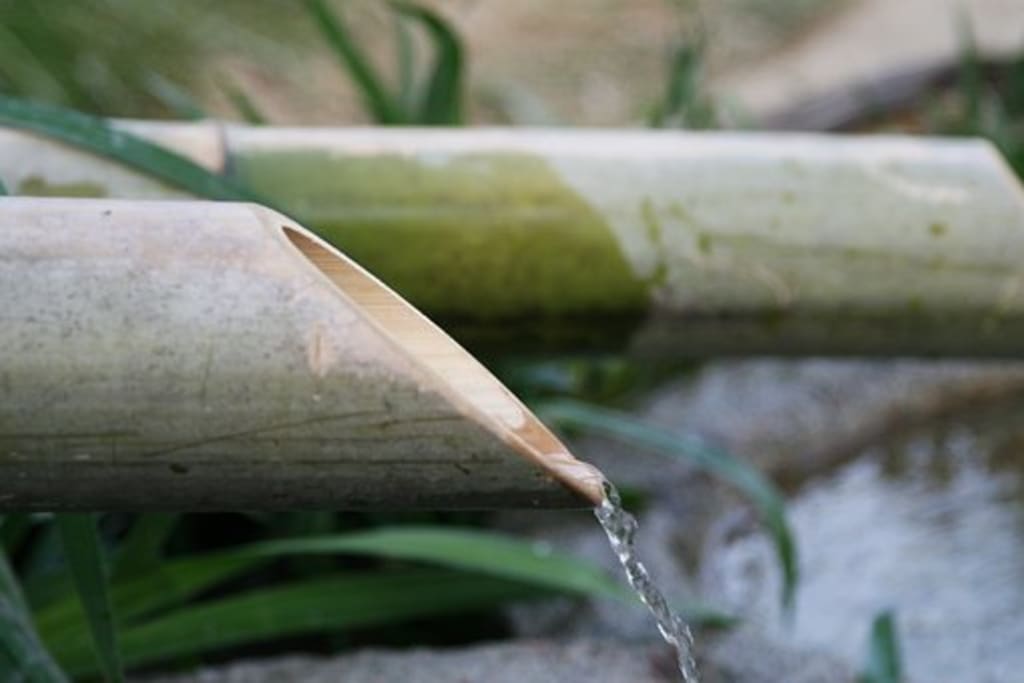
Bamboo is a versatile and sustainable plant. It captivates with its natural allure while offering numerous benefits for both the environment and human society. This guide explores the many dimensions of bamboo, presenting facts, figures, and sources to highlight its remarkable qualities.
1. Sustainability and Rapid Growth:
Bamboo stands as a symbol of sustainability due to its exceptional growth rate. Unlike traditional hardwood trees that can take decades to mature, bamboo reaches full maturity within 3-5 years. It is renowned as one of the fastest-growing plants on Earth, with some species capable of growing up to 91 cm (36 inches) in just 24 hours timespan. This rapid growth ensures a consistent supply of bamboo without causing deforestation or depleting natural resources.
2. Carbon Sequestration and Climate Impact:
Bamboo plays a crucial role in combating climate change. It absorbs significantly more carbon dioxide (CO2) and releases 35% more oxygen than trees. According to research published in The Guardian News article, bamboo can sequester up to 12 tons of CO2 per hectare annually. Its extensive root system helps prevent soil erosion and contributes to maintaining a healthy ecosystem.
3. Strength and Durability:
Despite its lightweight appearance, bamboo exhibits exceptional strength and durability. In fact, bamboo possesses a higher tensile strength than steel. This remarkable property makes bamboo a favored material for construction purposes, including buildings, bridges, and scaffolding. It can withstand extreme weather conditions, making it ideal for areas prone to hurricanes, earthquakes, and storms.
4. Versatility in Applications:
Bamboo's versatility extends to a wide range of applications. It can be transformed into various products, including flooring, furniture, textiles, paper, and even musical instruments. Bamboo shoots are a popular ingredient in Asian cuisines, offering both a delicate flavor and numerous health benefits. Bamboo fibers can also be used to create soft and breathable fabrics for clothing.
5. Sustainable Alternative to Timber:
The use of bamboo as an alternative to traditional timber holds tremendous potential for reducing deforestation and mitigating climate change. According to the United Nations Industrial Development Organization (UNIDO), a hectare of bamboo forest can produce 20 times more timber than a hectare of traditional hardwood forest. By utilizing bamboo in construction and furniture industries, the demand for slow-growing hardwood trees can be alleviated.
6. Economic Empowerment and Poverty Alleviation:
Bamboo cultivation presents economic opportunities, particularly in rural areas. It offers income generation for local communities through its various applications. The International Network for Bamboo and Rattan (INBAR) estimates that bamboo-based industries provide livelihoods for more than 10 million people worldwide. In countries like China, India, and Indonesia, bamboo has played a significant role in poverty alleviation and sustainable development.
7. Water Conservation:
Bamboo exhibits remarkable water conservation abilities. It helps in improving water quality by reducing pollution and acting as a natural filter. Additionally, bamboo plants contribute to water retention in soil, which is crucial in areas prone to drought and water scarcity.
8. Preservation of Biodiversity:
Bamboo forests harbor rich biodiversity, providing habitats for numerous plant and animal species. These forests are home to endangered species such as pandas, which rely on bamboo as their primary food source. The conservation and expansion of bamboo forests are vital for the preservation of these unique ecosystems .
9. Health Benefits and Medicinal Uses:
According to a research article published in National Center for Biotechnology Information (NCBI), bamboo stem and leaves does possess certain medicinal properties that have been recognized for centuries. Traditional medicine employs bamboo extracts and oils for their antimicrobial and antioxidant properties, promoting skin health and aiding in the treatment of various ailments. Bamboo charcoal is also known for its purifying properties and is used in skincare products.
Overall, bamboo stands as an extraordinary plant, showcasing its beauty and offering countless benefits to our planet and society. Its sustainable growth, strength, versatility, and numerous applications make it an essential resource for a sustainable future. By harnessing the potential of bamboo and promoting its widespread use, we can foster environmental conservation, economic empowerment, and improve the well-being of communities around the world. Embracing bamboo as a sustainable wonder is a step towards a greener and more resilient future for generations to come.
About the Creator
3MinuteGuide
Quick guide to all matters in our daily life
Visit www.3MinuteGuide.com for latest guide!
Keep reading
More stories from 3MinuteGuide and writers in Earth and other communities.
10 Habits of Effective Savings
Introduction In today's fast paced and uncertain world, saving money has become more important than ever. Cultivating effective savings habits not only helps secure our financial future but also provides a sense of stability and peace of mind. This quick guide explores 10 essential habits that can empower individuals to achieve their saving goals, supported by figures and statistics that highlight the significance of these practices.
By 3MinuteGuide3 years ago in Families
A Planet the Size of Earth with an Atmosphere Like Our Own
For centuries, humans have looked up at the night sky and wondered whether Earth is the only world capable of supporting life. Advances in modern astronomy have brought us closer than ever to answering that question. Recently, astronomers announced the discovery of a planet roughly the size of Earth with an atmosphere that appears surprisingly similar to our own. This finding has sparked excitement among scientists and renewed hope that life might exist elsewhere in the universe.
By Irshad Abbasi 5 days ago in Earth
Becca
"Everything is so... flat." Denille said stupidly as she looked around her new neighborhood. She looked around at the muted desert where even the smallest sign of life seemed to have given up. The plant life was shrubs that were half cooked by the heat and where there should have been a lawn, a mess of white rocks laid glistening in the sun. Even the sky looked stretched thin, like the sun had ironed it smooth. She’d moved from Riverside, where at least there were hills, but here in Barstow, everything felt baked and brittle.
By Sara Wilson7 days ago in Fiction




Comments
There are no comments for this story
Be the first to respond and start the conversation.