
The Majestic Elephant: A Comprehensive Guide to the Gentle Giant of Nature
Learn why elephants are referred to as "nature's gentle giants" and how big and intelligent they are.

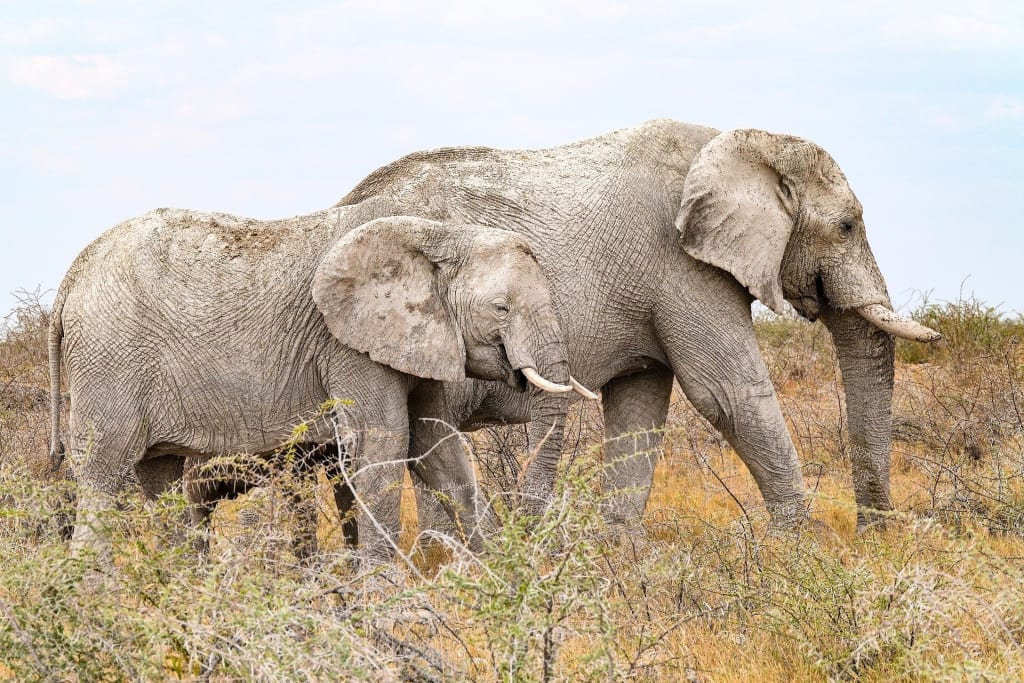
Introduction
The elephant frequently comes to mind when we think of strength, memory, and grace all rolled into one. People have been in awe of these enormous, gentle creatures for centuries because of their intelligence and emotional depth. In this article, we’ll take you on a journey through the fascinating life of elephants — from how they grow and what they eat, to how they raise their young and where they call home.
How quickly do elephants mature?
Far from it, elephants do not grow overnight. A newborn calf initially weighs around 100 kilograms (220 pounds), but it takes more than two decades for them to grow to full size. Although elephants may continue to grow and gain weight into their forties, the majority of them are considered physically mature by the time they are approximately 25 years old.
When do elephants bear children?
Being a mother elephant takes a lot of dedication. Cows, or female elephants, typically begin bearing children between the ages of 10 and 12 years old. Their pregnancy lasts for nearly two years, or 22 months, which is incredible! They typically give birth to one child at a time after that lengthy wait, and twins are extremely uncommon. Every four to five years, an elephant mother gives birth to a new calf.
What do infant elephants consume?
A baby elephant is entirely dependent on its mother's milk at first. They begin to taste solid foods like grass, fruits, and soft leaves when they are about six months old. However, they do not give up milk immediately. The majority of calves nurse until they are between the ages of two and four.
Where are elephants most at home?
Asia and Africa are the two main places where elephants can be found. Asian elephants are more prevalent in jungles and grasslands, whereas African elephants frequently roam across open savannas, forests, and even deserts. Elephants require wide open spaces and access to clean water, regardless of location. Because of this, protected wildlife areas and natural reserves are where they do best.
What do elephants eat on a daily basis?
There are a lot of plants on an elephant's daily menu. As herbivores, they delight in: Grasses
Leaves
Bark of trees Fruits
Roots
Aquatic vegetation An adult elephant can consume between 200 and 300 pounds (90 and 135 kilograms) of food and up to 50 gallons (190 liters) of water in a single day. That's a lot of hunger!
How intelligent are elephants?
In addition to their size, elephants are extremely intelligent. They communicate in amazing ways by trumpeting, using body language, and even sending signals through the ground. They live in close-knit family groups led by a wise old woman. Elephants are known to express emotion as well. They can play, remember faces, grieve, and even comfort one another when they are upset.
Are Elephants at Risk?
Yes, sadly. Elephant populations are in danger as a result of habitat destruction and poaching, particularly for ivory. Conservationists all over the world are putting in a lot of effort to safeguard them by creating safe zones and advocating for stricter laws to prevent the trade in ivory.
Elephants' Contribution to Ecosystems
Elephants are essential to the well-being of their ecosystems. Their activities help shape the environment because they are "keystone species." Elephants prevent overgrowth and allow other plants to thrive by eating a lot of vegetation. Additionally, they create waterholes that other animals rely on, and their movement through forests aids in the dispersal of seeds, which in turn encourages plant growth. Elephants are known to cut down trees in Africa, opening up space for the growth of smaller plants and increasing biodiversity. Many ecosystems would be less diverse and vibrant without elephants, highlighting the significance of their conservation.
Last Thoughts
Elephants are more than animals; they are also a symbol of connection, strength, and wisdom. Understanding them helps us comprehend why they require our respect and protection. As nature intended, these magnificent creatures ought to be able to move about freely and safely.
About the Creator
Nasrut Raiyan
Nasrut Raiyan is a Bangladeshi Forex & Crypto trader, storyteller, and founder of the NHR Concept, known for his SMC-based trading style and writing on financial freedom and self-discipline.
Keep reading
More stories from Nasrut Raiyan and writers in Earth and other communities.
The July Uprising: The Role of Bangladesh’s Students in Starting a Revolution Against Oppression
Introduction: A Nation on The Edge In July of 2024, the students and youth of Bangladesh mounted an unprecedented uprising against the pervasive discrimination in government job allocations – the infamous quota system. Initially, these were peaceful protests but later escalated into a widespread civil movement, which is now known as the “July Revolution.”
By Nasrut Raiyan7 months ago in Humans
The Terrarium Toolkit: AI Helps You Build and Maintain a Miniature World
You assemble layers of earth, carefully position tiny plants, and add decorative stones, culminating in the moment you place the glass lid or front panel. You've created more than a decoration; you've built a miniature, self-contained world. Yet, weeks later, that world can become clouded—literally. Condensation obscures the view, mold appears on the soil, or a once-vibrant plant turns to mush. The delicate balance you sought has tipped.
By Emma Wallace2 days ago in Earth
Book Review: Atmosphere by Taylor Jenkins Reid
I flipped the book over in my hands in the centre of the small airport book shop. Although I had heard promising reviews of Atmosphere by Taylor Jenkins Reid, I hesitated. The synopsis didn’t compel me - I wasn’t much of a space girly. In high school it made me cringe when my peers would talk about the stars.
By sleepy drafts5 days ago in BookClub




Comments
There are no comments for this story
Be the first to respond and start the conversation.