
The Lifecycle Impact of Fabric Buildings
Beyond Construction

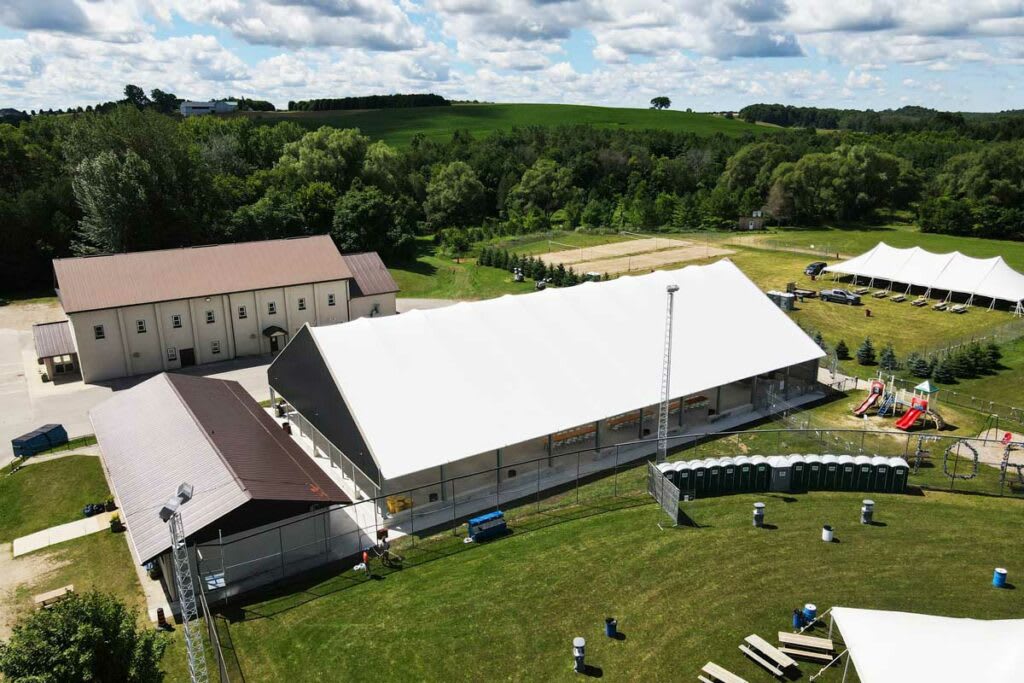
Because of their lightweight design and aesthetically pleasing look, fabric structures are growing in popularity. Whether they are utilized as temporary event shelters or as long-term storage facilities, these versatile buildings provide several advantages.
However, how do they affect the environment? Let's investigate the lifespan of fabric structures and their potential for sustainability by going beyond construction.
Efficiency from the Start
Transparent or even translucent materials are used in many fabric constructions. As a result, there is less need for artificial lighting and operating energy usage as more natural light may enter the space. Furthermore, several innovative fabrics include thermal insulation properties that help regulate indoor temperatures and save energy use, especially in Canada's harsh climate.
Energy Efficiency
One of the most significant advantages of fabric buildings is their energy efficiency. The materials used allow for excellent natural light diffusion, which can reduce the need for artificial lighting during the day. Additionally, the insulation options available can help regulate interior temperatures, decreasing the reliance on heating and cooling systems, and thus lowering energy costs substantially.
Resilience to Environmental Changes
Fabric structures are made to be extremely flexible and robust to changes in their surroundings. Because the materials are designed to expand and contract in response to temperature changes, the structural integrity is preserved in a variety of weather scenarios. This resilience ensures that the structures can endure anything from extreme heatwaves to icy winters without affecting their functioning or safety, which is especially crucial in areas with varying climates. This feature not only increases the structures' longevity but also guarantees that they will always be safe and functional, regardless of the outside weather.
Adaptability and Reusability
The beauty of fabric buildings lies in their adaptability. They can be easily reconfigured or expanded to accommodate changing needs, eliminating the construction waste associated with demolishing and rebuilding permanent structures. Here's where the concept of fabric building recover comes in: dismantled components can be reused in new projects, further extending their lifecycle and minimizing environmental impact.
Environmental Impact
Fabric buildings have a lighter environmental footprint than many traditional construction methods. The materials used are often recyclable, and the lightweight nature of fabric structures means less energy consumed in transportation and assembly. This contributes to a reduction in overall CO2 emissions associated with their construction and lifecycle.
Maintenance and Recovery
As these buildings age, maintenance remains a manageable task due to the inherent qualities of the fabric material. Issues like mould and mildew are less prevalent, and cleaning is straightforward—usually requiring only water and mild detergents. Furthermore, in the event of damage or wear, fabric building recover is a significant aspect of their lifecycle advantage. The ability to replace individual panels or sections rather than entire structures makes maintenance both cost-effective and less resource-intensive.
Economic Considerations
Over their lifecycle, fabric buildings often result in a lower total cost of ownership compared to traditional structures. The initial investment is generally lower, and the ongoing maintenance costs are reduced. These economic benefits, combined with the durability and flexibility of the buildings, make them an attractive option for budget-conscious businesses looking for long-term solutions.
Rapid Deployment and Installation
Fabric structures are well known for their ability to assemble and install quickly. This rapid deployment minimizes the labour costs and environmental effects of protracted building projects in addition to saving time. A temporary event site, for instance, may be put up in a matter of days, causing the least amount of disruption to the environment and carbon impact compared to conventional building techniques.
Cost-Effective Scalability
Scalability is another important benefit of fabric structures. They may be made to quickly grow in size with little difficulty or expense, meeting expanding requirements without requiring whole reconstructions. This scalability ensures that resources are used effectively without unnecessary spending or waste, especially in industries like logistics and storage where space requirements might change depending on business development and seasonal demands.
Enhanced Aesthetic Options
A variety of aesthetic alternatives are also available for fabric structures, which may be tailored to complement or contrast with their surroundings. These structures come in an array of hues, forms, and degrees of translucency, and they may be both decorative and practical. Because of their adaptability, they are appropriate for settings like retail stores, community centres, and educational institutions where aesthetics and design are valued highly. Fabric structures have the potential to enhance local visual environments via customization of their designs, which might lead to a greater acceptance and utilization of them in community-focused initiatives.
The Challenge of Durability
While fabric buildings offer numerous advantages, their lifespan generally falls short of traditional structures. Exposure to sunlight and weather elements can degrade the fabric over time, necessitating replacement. However, advancements in material technology are offering increasingly durable fabrics, and proper maintenance practices can significantly extend the lifespan of these structures.
Improved Acoustic Performance
Because the fabric materials used in their construction are soft and absorbent, fabric structures frequently have improved acoustic qualities. Because of this feature, they are perfect for settings where sound management is essential, such as stadiums, event spaces, and production facilities, where lowering noise levels may enhance the atmosphere for both visitors and employees. Fabric buildings are more adaptable due to their capacity to reduce sound, which opens up a wider range of uses for controlled acoustic settings.
Fabric structures offer an alluring option for Canadians searching for green building solutions. Their lower embodied carbon, energy-efficient operation, and possibility for reuse all contribute to a less environmental effect. Although durability is still a key component, continuous material innovation and moral end-of-life practices may further improve the fabric construction story on sustainability. So, the next time you see a wonderful cloth creation, remember that there's more to it than meets the eye. It may act as a symbol of environmental consciousness as well as a guide to the future of sustainable construction practices.
About the Creator
Keep reading
More stories from Anahit Yeritsyan and writers in Earth and other communities.
The Role of the Metaverse in Your 2024 Brand Plan
You may have come across the word "metaverse" a lot lately. It's something that will completely change the way business owners market their brands. 71% of executives believe that metaverse will have a positive impact on their business. Let's get a better idea of what the metaverse is, what impact it potentially has on your business, and how your company may profit from leveraging it to its full potential.
By Anahit Yeritsyan2 years ago in Education
Why Didn't Anyone Tell Us
Men, move along. This is not for you. This is for the women. I was forty-five when I began menopause. It is pretty young for that to be going on in a woman’s life, but I had undiagnosed PCOS, my entire life. Thank you to all the gynecologists I had seen my entire life. That in itself should encourage women to keep seeking second opinions, especially when you are not getting correct answers or any at all.
By Alexandra Grant3 days ago in Humans



Comments
There are no comments for this story
Be the first to respond and start the conversation.