
The Life and Habits of a Horse
"Equine Insights: Understanding the Daily Routines and Behaviors of Horses"
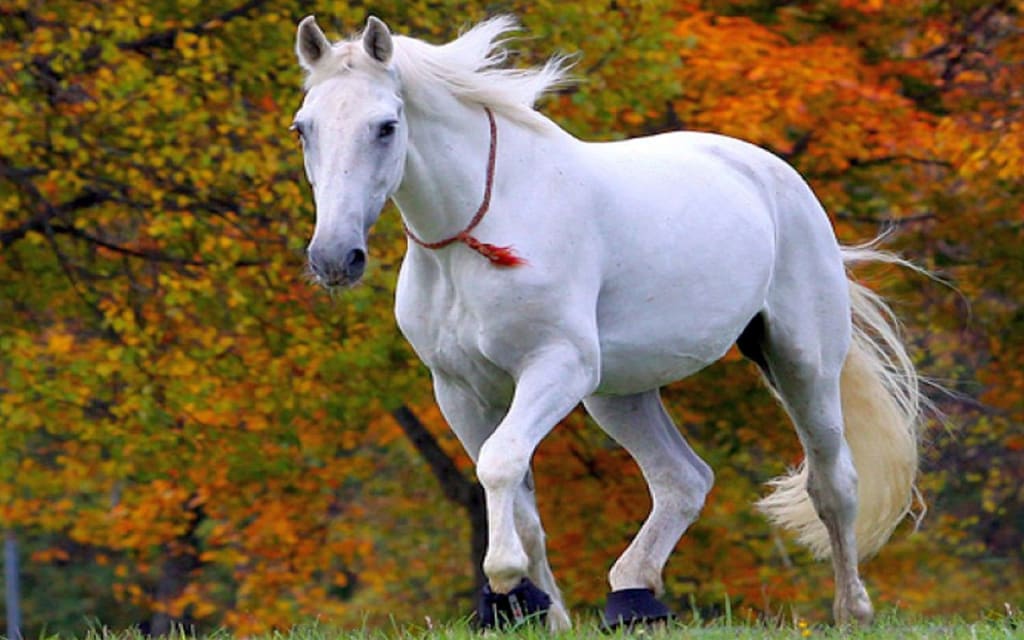
The horse, one of the most beloved and majestic animals in the world, has been used by humans for centuries for transportation, work, and sport. These incredible creatures have adapted to a variety of environments and climates and have developed unique habits that allow them to thrive. In this article, we will explore the life and habits of a horse in detail.
Physical Characteristics
Horses are large, powerful animals with a muscular build and long, slender legs. They have a height range of 14.2 hands (58 inches) to over 18 hands (72 inches) and a weight range of 840 pounds to over 2,200 pounds. Horses are known for their beautiful coats, which can come in a variety of colors, including bay, black, chestnut, palomino, and gray.
Horses have several unique physical features that make them well-suited to their environment. For example, they have large, expressive eyes that allow them to see almost 360 degrees around them, enabling them to detect predators and threats. Their long legs and powerful muscles enable them to run at high speeds and navigate uneven terrain, while their hooves are specially adapted to absorb the shock of impact.
Horse Behavior and Communication
Horses are social animals that live in groups called herds. Within a herd, there is a hierarchy of dominance, with one or more horses acting as leaders. The leader of the herd is responsible for protecting the group and making decisions about when to move and where to graze.
Horses use a variety of signals to communicate with each other. For example, they use body language, such as ear position and tail movements, to express their mood and intentions. They also use vocalizations, such as whinnies and neighs, to communicate with other horses over long distances. Horses also use scent to communicate, particularly with regards to reproduction and mating.
Feeding and Diet
Horses are herbivores, meaning that they eat only plant material. They are grazing animals that feed almost continuously throughout the day, consuming small amounts of food at a time. Horses have a unique digestive system that allows them to extract nutrients from tough plant materials, such as grass and hay.
In the wild, horses graze on grasses and other vegetation, but domestic horses may be fed a variety of foods, including hay, grains, and supplements. It is important to provide horses with a balanced diet that meets their nutritional needs, as a lack of proper nutrition can lead to health problems and even death.
Reproduction and Mating
Horses reach sexual maturity at around two to three years of age, but they may not begin breeding until they are four to five years old. In the wild, stallions will compete for mares, with the dominant stallion mating with the most females. Domestic horses may be bred using a variety of methods, including natural breeding, artificial insemination, and embryo transfer.
The gestation period for a horse is around 11 months, and the foal is typically born in the spring or summer. Foals are able to stand and walk within a few hours of birth and will begin nursing from their mother soon after. Horses have a strong maternal instinct and will protect their young from predators and other threats.
Lifestyle and Training
Horses are highly adaptable animals that can live in a variety of environments, from open grasslands to dense forests. Domestic horses may be kept in stables or pastures, and they require regular exercise and social interaction to maintain their physical and mental health.
Horses can be trained for a variety of activities, including riding, racing, and jumping. The training process can be time-consuming and requires patience and skill, as horses must learn to respond to a rider's cues and commands. Positive reinforcement methods, such as clicker training, are typically preferred over punishment-based methods, as they are more effective and create a better bond between the horse and rider.
In addition to riding and training, horses are used for a variety of purposes, including work, such as plowing fields or pulling carts, and therapy, such as in equine-assisted therapy programs for individuals with disabilities or mental health issues. Horses can also be used for recreational activities, such as trail riding and horse camping.
Health and Care
Horses require regular veterinary care, including vaccinations, deworming, and dental care, to maintain their health. They also require regular grooming to keep their coat and hooves healthy and clean.
One of the most important aspects of horse care is providing them with proper shelter, nutrition, and exercise. Horses should have access to clean water and adequate food, as well as shelter from extreme weather conditions. They also require regular exercise to maintain their physical health and mental well-being.
Conclusion
The life and habits of a horse are fascinating and complex. These majestic animals have adapted to a variety of environments and developed unique habits to survive and thrive. They are social animals that communicate with each other through a variety of signals, and they require regular care and attention to maintain their health and well-being. Whether used for work, sport, or recreation, horses have a special place in human history and continue to be an important part of our lives today.
About the Creator
Keep reading
More stories from noman dhudhi and writers in Earth and other communities.
The Physical Characteristics of Bald Eagles: Adaptations for Survival
The bald eagle is a magnificent bird of prey and the national symbol of the United States of America. This species of eagle is found primarily in North America and is known for its distinctive appearance and impressive physical characteristics. These characteristics are well-suited to the eagle's lifestyle and environment, and allow it to thrive in a variety of habitats.
By noman dhudhi3 years ago in Earth
A $170 Million Gemstone Discovery Shocks Myanmar’s Mining World
Myanmar, a country long known for its rich natural resources, has once again captured global attention after the discovery of an extraordinary gemstone estimated to be worth around $170 million. The remarkable find has stunned geologists, gem traders, and mining experts, reaffirming Myanmar’s reputation as one of the world’s most important sources of precious stones.
By Irshad Abbasi 6 days ago in Earth
Top tipple tricks
Been thinking a lot about drinking, lately. Not least because of a recent episode of over-indulgence and the inevitable after effects. Some readers may recall the earlier articles I wrote about beating the booze. Here I set out an experiment in techniques for cutting down on my alcohol intake. The experiment was successful, the techniques worked, and I have armed myself with an arsenal of weapons in the war against the demon drink. I have yet to fire the first round however. It's all a question of timing (perhaps procrastination).
By Raymond G. Taylor7 days ago in Psyche



Comments
There are no comments for this story
Be the first to respond and start the conversation.