
The Last Seed
In a Warming World on the Brink, One Girl Unearths Hope for Humanity.


The future of life is in the hands of a child in a climate catastrophe-ravaged world where trees are myths and rain is a memory. The Last Seed tells a story not of superheroes or machines, but of a single seed—and a girl named Asha whose discovery may offer the last hope for a dying Earth.
By the end of the 22nd century, Earth has undergone profound transformations. Dust and heat make the air thick. Oceans have risen, swallowing cities, while droughts and fires consume the land. The centuries of human exploitation have violently altered the delicate and precise balance of nature. The rivers are dry, the soil is dead, and the only places where there is biodiversity are books and digital archives. Food is grown in artificial labs. For the elite, climate-controlled domes simulate trees. The majority of people, including Asha, have never seen or touched real soil. Asha lives in the fringes of a once-great city, now a wasteland of broken buildings and abandoned technology. She scavenges for food, water, and scraps of memory from the past. One day, while exploring the ruins of an old research facility, she stumbles upon a locked container hidden beneath the rubble. Zea Mays – Unmodified Sample is carefully labeled on a single preserved seed inside. A corn seed—something she has only read about, never seen.
She is perplexed as she delivers the seed to her grandmother, who is one of the few older people who can still recall the world before it collapsed. Her grandmother’s eyes fill with tears. This is not just a seed—it’s life itself. Pure, untouched, and full of possibility. In a time when nature has been mechanized and commercialized beyond recognition, this single organic seed is a miracle.
They plant something, something that hasn't been done in decades. They find a patch of earth beneath the cracked floor of their shelter and nourish it with rainwater collected over months. Every day, they watch it, care for it, speak to it. And one morning, it sprouts. A tiny green shoot rises from the soil, defying the dying world around it.
The seed becomes a symbol—of resistance, of rebirth, of hope. Word spreads through underground networks and among climate refugees. Asha, the girl with the seed, becomes a figure of inspiration. Scientists and farmers, rebels and healers, rally to protect her and the plant. They dream of planting more, of restoring the land, of remembering how to live with nature instead of against it.
But not everyone welcomes this hope. The world is ruled by powerful corporations and governments that control the food supply, selling synthetic nutrition to desperate populations. The idea of growing food—freely, naturally—is a threat to their power. Asha becomes a target. The seed, a weapon of defiance.
Forced to flee, Asha carries the seedling across harsh landscapes, pursued by forces that fear what it represents. Along the way, she learns about the world that was lost and meets others who have quietly preserved ancient knowledge. Her journey is one of awakening—not just for her, but for all who believe the world is beyond saving.
The Last Seed is not just a story of environmental collapse. It is a story of remembrance and responsibility. It reminds us that healing begins with small, quiet acts—like planting a seed. It teaches that even in the darkest times, life finds a way. Asha’s courage shows that change does not come from grand gestures, but from nurturing what we have forgotten: our connection to the Earth.
In her hands, the last seed becomes the first step toward a new beginning. And from that seed, a future may grow.
About the Creator
Ashfaque Mahmud 🇧🇩
I walk a silent path, seeking truth within. My pain shapes my God, my solitude is strength, and my journey is proof I truly exist.
Keep reading
More stories from Ashfaque Mahmud 🇧🇩 and writers in Earth and other communities.
Medical breakthroughs and environmental victories shaping our future: Healing the Earth, Saving Lives.
2024 provided a double dose of optimism in a world frequently overshadowed by crisis. The global landscape saw incredible strides in both medicine and environmental action, showing that when science, innovation, and global cooperation intersect, humanity can truly thrive. These breakthroughs not only altered the lives of individuals but also demonstrated our collective capacity for healing—for both ourselves and the planet. Revolutionary Medical Developments 2024 was a landmark year in medical science, with several discoveries pushing the boundaries of what's possible.
By Ashfaque Mahmud 🇧🇩11 months ago in Earth
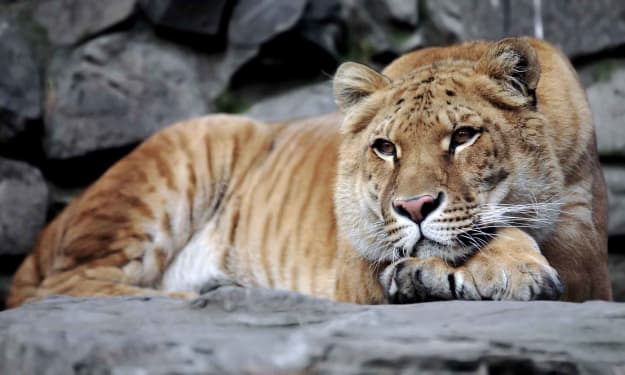
The Most Unusual Animals
Beefalo are the result of domestic cattle crossed with bison. They are hardy animals that produce leaner, healthier meat. Beefalo have become resilient creatures able to thrive in harsh conditions where regular cattle would struggle. They require less water and feed and resist disease better.
By Rasma Raistersabout 3 hours ago in Earth
When the Shelter Closes
Across the street from my house, a man slept under a tree, his dog by his side. My first, naive thought: he must be traveling through. But he kept coming back, often sleeping there during the day. Then it hit me—that person might not have a home.
By Bride of Sound4 days ago in Humans



Comments
There are no comments for this story
Be the first to respond and start the conversation.