
"The Language of Birds: Understanding Nature's Messengers"
Feathers, Flights, and Whistles | Unlocking the Language of Birds

Few animals in the wide natural world are as captivating to our imagination and admiration as birds. Humans have always been in awe of birds' beautiful flights, colorful plumage, and musical melodies. Beyond just being beautiful, birds have a unique language of their own, a fascinating and sophisticated system of communication that has fascinated poets, scientists, and bird lovers alike. In this article, we set out on a quest to decipher the secrets of birds' feathers, flights, and whistles in an effort to understand their unique communication methods.
The Feathers' Visual Language Birds are adorned with a dazzling array of feathers, each with its own unique purpose and meaning. Feathers are not just tools for flight; they are also essential elements of avian communication. The vibrant colors, patterns, and displays of feathers play a crucial role in the social interactions and courtship rituals of many bird species.
One of the most stunning examples of this is the peacock, with its iridescent plumage. Male peacocks use their extravagant tail feathers to attract mates. The dazzling display of colors and patterns is a visual language, signaling their fitness and genetic quality to potential partners.
Similarly, birds like the American Goldfinch change their plumage throughout the year. In spring and summer, the males don vibrant yellow feathers to attract females. As autumn approaches, they molt into a more subdued olive-brown to blend into their surroundings. This shift in coloration is not just for camouflage but also a message to potential mates about their readiness to breed.
The Art of Avian Flight
Birds have mastered the skies with their incredible flying abilities. Their aerial maneuvers are not just about survival or migration; they are also a form of communication. For example, in the intricate courtship flights of the Sandhill Crane, pairs engage in synchronized dances, leaping into the air and engaging in elaborate patterns of wing flaps and calls. These displays serve to strengthen the bond between mates and convey their readiness to reproduce.
Flight also plays a crucial role in territorial disputes. Raptors such as hawks and eagles soar high above their territories, performing breathtaking aerial displays. These displays are both a show of strength and a warning to potential rivals to stay away. The message is clear: this territory is claimed, and intruders will be met with fierce opposition.
Birds also communicate through flight songs. For instance, the Skylark's song is delivered while it soars high into the sky. This singing in flight is believed to signal its presence to potential mates and rivals, as well as to establish territory.
The Melodic Whistles of Birdsong
Perhaps the most enchanting aspect of bird communication is their songs. Birdsong is a rich and complex language that serves various purposes, from claiming territory to attracting mates. Each species has its own unique repertoire of calls and songs, making it possible for experienced birdwatchers to identify them by ear alone.
The dawn chorus, that magical symphony of birdsong that greets us each morning, is a prime example of the avian language in action. As the sun rises, male birds sing to establish territory and attract females. Each song is like a musical advertisement, advertising the singer's fitness, health, and vitality. The diversity of sounds and melodies in the dawn chorus is a testament to the complexity of bird communication.
Birdsong also serves as a form of communication within bird families. Parent birds teach their offspring specific calls, which are used for signaling danger, requesting food, or coordinating activities. The Chickadee's "dee-dee-dee" call, for instance, is used to warn other members of the flock about approaching predators.
The Language of Birds in Human Culture
Birds have left an indelible mark on human culture and symbolism. From ancient myths and legends to modern poetry and literature, birds are often seen as messengers, symbols of freedom, and sources of inspiration. The powerful connection between birds and humans has led to their inclusion in folklore, religion, and art.
For example, in Greek mythology, the owl was associated with Athena, the goddess of wisdom. The image of the owl became a symbol of wisdom and knowledge, and it continues to be associated with learning and education today.
Conclusion
Feathers, flights, and whistles—the language of birds is a remarkable testament to the beauty and complexity of the natural world. As we explore the visual language of feathers, the art of avian flight, and the melodic whistles of birdsong, we gain a deeper appreciation for these creatures and their ability to communicate with each other and with us.
Birds remind us that the language of nature is not limited to words; it's a rich tapestry of colors, patterns, movements, and melodies. As we continue to unlock the secrets of their communication, we not only enhance our understanding of the avian world but also gain insights into the interconnectedness of all life on Earth. In the language of birds, there is a lesson for us all—of beauty, harmony, and the importance of listening to the world around us.
About the Creator
Keep reading
More stories from Misha story writer and writers in Earth and other communities.
"Eco-Warriors: Protecting and Preserving our Natural World"
A group of committed people have emerged as the champions of nature, working diligently to conserve and preserve our natural world in a world confronting unprecedented environmental problems. These eco-warriors are ardent advocates and campaigners, not typical troops, who have made it their goal to stop the increasing threats to our planet. This article examines the experiences and initiatives of these eco-warriors, illuminating the critical role they play in preserving the environment for coming generations.
By Misha story writer2 years ago in Earth
The Giant Beneath the Ceiling
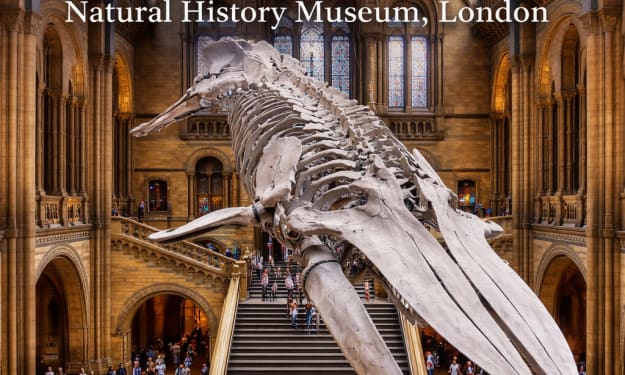
At the heart of the Natural History Museum in London, visitors entering the magnificent Hintze Hall are greeted by a breathtaking sight: the enormous skeleton of a blue whale suspended from the ceiling. This remarkable display, known as “Hope,” represents not only the largest animal ever known to have lived on Earth but also a powerful message about conservation and humanity’s relationship with nature.
By Irshad Abbasi about 16 hours ago in Earth



Comments
There are no comments for this story
Be the first to respond and start the conversation.