
"The Iridescent Wonders of the Blue Butterfly World"
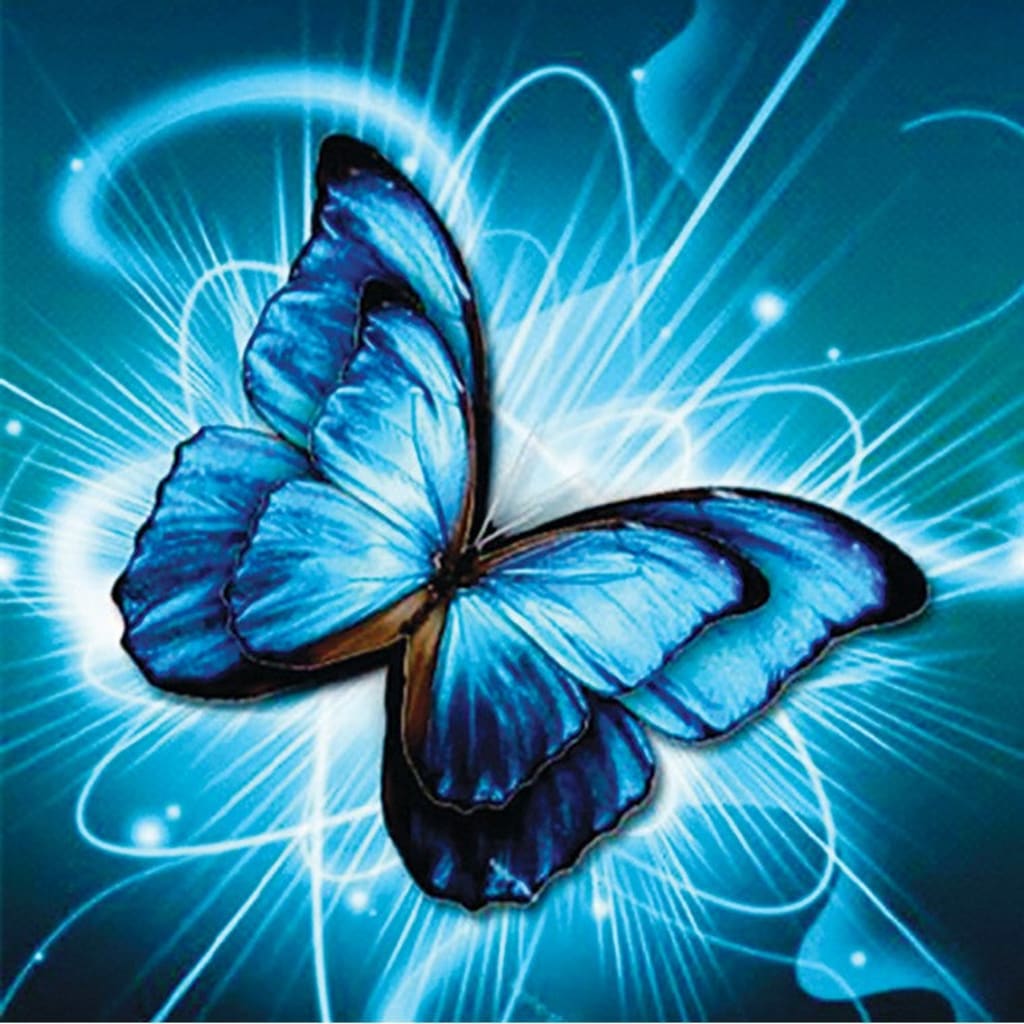
lustrous blue butterfly
Introduction:
The world of butterflies is a colorful and captivating one, full of beauty and wonder. Among the many species that exist, the blue butterfly stands out with its shimmering, iridescent wings. In this essay, we will delve into the blue butterfly world, exploring the science behind their radiant coloration and the role they play in the ecosystem. From their unique anatomy to their fascinating life cycles, we will discover the iridescent wonders of the blue butterfly world and appreciate their significance in our planet's diverse array of life forms. Get ready to be amazed by the beauty and diversity of the blue butterfly kingdom.
Definition of blue butterfly :
A blue butterfly is a species of butterfly that is characterized by its iridescent, blue colored wings. These butterflies are known for their striking appearance and can be found in a variety of habitats around the world.
Overview of the world of blue butterflies:
The world of blue butterflies is a diverse and fascinating one, with numerous species that can be found in different habitats around the world. Blue butterflies are known for their iridescent blue wings, which are created by microscopic structures that reflect light and produce the blue coloration. These butterflies play an important role in the ecosystem, serving as pollinators and providing food for predators like birds and bats. The life cycle of a blue butterfly is also intriguing, with a transformation from a caterpillar to a pupa and finally to an adult butterfly. Despite their beauty and importance, many species of blue butterfly are facing threats from habitat loss and climate change, making conservation efforts crucial for their survival.
The Physical Characteristics of Blue Butterflies:
Blue butterflies have several physical characteristics that make them unique and easily distinguishable from other butterfly species. Some of the key physical characteristics of blue butterflies include:
- Iridescent blue wings: The most distinctive feature of blue butterflies is their iridescent blue wings, which are created by microscopic structures that reflect light and produce the blue coloration.
- Wing patterns: Blue butterflies have distinctive wing patterns, which can range from simple to complex designs. These patterns help the butterfly to blend in with their surroundings and protect them from predators.
- Body size and shape: Blue butterflies can range in size from small to medium-sized, with a generally slender and elongated body shape.
- Antennae: Blue butterflies have long, thin antennae that are usually black or brown in color, with a curved or hooked shape.
- Legs: The legs of blue butterflies are short and relatively thin, and are used for perching and grasping onto surfaces.
These physical characteristics, combined with their iridescent blue wings and unique wing patterns, make blue butterflies easily recognizable and one of the most fascinating species in the world of butterflies.
The Coloration of Blue Butterfly wings:
The blue coloration of blue butterfly wings is produced by microscopic structures that reflect and refract light. These structures are found on the scales of the butterfly's wings and are made up of tiny ridges and ridges that interact with light in a specific way. The blue coloration is the result of light being selectively reflected and scattered in a manner that produces a blue hue. This effect is known as iridescence, and is what gives blue butterfly wings their stunning, shimmering appearance.
The coloration of blue butterfly wings is not a pigment, but rather a structural coloration that is produced by the physical properties of the wing scales. This means that the coloration can change depending on the angle at which the butterfly is viewed, producing different shades and hues. Additionally, the coloration can also be affected by environmental factors like light and temperature, making it a dynamic and ever-changing feature of blue butterfly wings.
The Anatomy of Blue Butterfly wings:
The anatomy of blue butterfly wings is made up of several key components, including the wing scales, wing veins, and wing muscles.
- Wing Scales: The wing scales are small, overlapping structures that cover the surface of the butterfly's wings and provide protection. The wing scales also play a crucial role in the blue coloration of the butterfly's wings, as they are responsible for reflecting and scattering light to produce the iridescent blue hue.
- Wing Veins: The wing veins are thin, tubular structures that provide support and stability to the butterfly's wings. The wing veins also serve as a transportation system for the butterfly, carrying vital fluids like blood and hormones throughout the wings.
- Wing Muscles: The wing muscles are responsible for moving the butterfly's wings, and are located at the base of the wings near the body. The wing muscles are connected to the wing veins, allowing the butterfly to control the movement of its wings and fly.
The anatomy of blue butterfly wings is highly specialized and optimized for flight, allowing these insects to soar through the air with ease and grace. Additionally, the intricate structures and physical properties of the wing scales, veins, and muscles play a crucial role in the iridescent blue coloration of blue butterfly wings, making these insects some of the most visually striking creatures in the animal kingdom.
The Various Patterns and Designs on Blue Butterfly wings:
Blue butterfly wings can feature a range of patterns and designs that serve different functions, such as camouflage, mimicry, and attracting mates. Some of the common patterns and designs found on blue butterfly wings include:
- Spots: Many blue butterfly species have small, circular spots on their wings, which can help to break up the outline of the butterfly and provide camouflage.
- Stripes: Some blue butterfly species have distinctive stripes on their wings, which can help to break up their silhouette and make them less visible to predators.
- Eyespots: Many blue butterfly species have large, circular eyespots on their wings, which can startle predators and help to deter attacks.
- False eyes: Some blue butterfly species have large, false eye patterns on their wings, which can mimic the appearance of a predator's eyes and deter potential attackers.
- Flash colors: Some blue butterfly species have brightly colored flash patterns on their wings, which can be used to attract mates or signal to other members of their species.
These patterns and designs vary widely between species and can play an important role in the survival and reproduction of blue butterflies. Additionally, the intricate and colorful patterns of blue butterfly wings make these insects a popular and fascinating subject of study for researchers and amateur enthusiasts alike.
The Diversity of Blue Butterflies
Blue butterflies are a diverse group of insects that can be found in a wide range of habitats, from tropical forests to temperate grasslands. The diversity of blue butterflies is reflected in their wide range of physical characteristics, such as size, shape, and wing patterns, as well as their varying habitats and behaviors.
This diversity is due to a combination of factors, including geographic distribution, adaptation to specific environments, and the evolution of different species over time. As a result, blue butterflies can be found in a variety of colors and patterns, and can range in size from tiny, delicate insects to larger species with wingspans measuring several inches across.
The diversity of blue butterflies makes them a unique and important part of the natural world, and provides a rich area of study for researchers and amateur enthusiasts alike. Understanding the diverse and complex relationships between blue butterfly species, their habitats, and the environment can provide important insights into the workings of the natural world and the impact of human activities on the environment.
Types of Blue Butterflies :
There are many different species of blue butterflies found around the world, and they can be found in a wide range of habitats, from tropical forests to temperate grasslands. Some of the most well-known and widely studied species of blue butterflies include:
- Morpho butterflies: These are some of the largest and most striking blue butterfly species, with wingspans ranging from 3 to 8 inches. They are found in the tropical forests of Central and South America, and are known for their brilliant blue iridescence and large, sweeping wings.
- Lycaenidae: This family of blue butterflies includes many small, delicate species with a range of colors and patterns, including blue, green, and black. They are found in a variety of habitats, from tropical forests to temperate meadows, and are known for their close relationships with ants, which provide them with protection from predators.
- Polyommatinae: This subfamily of blue butterflies includes many small, brightly colored species with a range of blue, green, and purple hues. They are found in a variety of habitats, from deserts to grasslands, and are known for their close relationships with plants, which provide them with food and shelter.
- Phengaris: This genus of blue butterflies includes species found in Europe, Asia, and Africa, and is known for its close relationship with bumblebees, which provide it with protection from predators.
These are just a few examples of the many different species of blue butterflies found around the world, and they demonstrate the wide range of physical characteristics, behaviors, and habitats that can be found among these fascinating insects.
Range and distribution of blue butterflies:
Blue butterflies are found in a wide range of habitats and locations around the world. Their range and distribution is influenced by a variety of factors, including climate, geography, and availability of food and habitat.
Blue butterflies can be found in a variety of habitats, including tropical forests, temperate woodlands, meadows, deserts, and even alpine and tundra regions in some cases. Some blue butterfly species are widespread, with large ranges that cover multiple continents, while others are restricted to smaller regions and are considered to be more localized.
The range and distribution of blue butterflies can also be influenced by human activities, such as habitat destruction, pesticide use, and climate change. In some cases, blue butterfly populations have been reduced or even driven to extinction by human activities, and ongoing conservation efforts are needed to protect these important insects and their habitats.
Despite these challenges, blue butterflies continue to be a widespread and diverse group of insects, with a fascinating range of physical characteristics, behaviors, and habitats. Studying the range and distribution of blue butterflies can provide important insights into the workings of the natural world and the impact of human activities on the environment.
Adaptation and evolution of blue butterflies:
Blue butterflies have adapted and evolved in response to the challenges and opportunities presented by their environments. Through a process of natural selection, blue butterflies have developed a range of physical characteristics, behaviors, and life cycles that allow them to survive and thrive in a variety of habitats and conditions.
For example, some blue butterfly species have evolved large, striking wing patterns and iridescent colors as a way of deterring predators and attracting mates. Others have evolved close relationships with ants, plants, or bumblebees, which provide them with protection, food, and shelter.
In addition, blue butterfly species have evolved to occupy specific niches in their environments. For example, some species are specialized feeders, feeding on only a specific type of plant, while others are more generalist and can feed on a wider range of food sources.
The evolution of blue butterflies has also been influenced by historical events, such as glaciation and continental drift, which have shaped the geography and climate of their habitats and driven the evolution of different species over time.
Overall, the adaptation and evolution of blue butterflies provides a fascinating example of how organisms can respond to the challenges and opportunities of their environments, and how the natural world is shaped by a complex interplay of historical events, natural selection, and human activities.
The Beauty and Aesthetics of Blue Butterflies:
Blue butterflies are widely recognized for their beauty and aesthetic appeal, with their iridescent colors, striking wing patterns, and graceful movements captivating people around the world. The beauty and aesthetics of blue butterflies is a result of their physical characteristics and behaviors, which have evolved over time to serve important functions such as attracting mates, deterring predators, and providing camouflage.
From the intricate patterns and designs on their wings, to the shimmering iridescence of their colors, blue butterflies are a visual feast for the senses. Whether flitting about in a meadow or resting on a flower, blue butterflies are a symbol of nature's beauty and resilience, reminding us of the wonders that can be found in even the smallest creatures in our world.
The cultural significance of blue butterflies:
Blue butterflies have had cultural significance in many societies and communities around the world. They have been depicted in art, literature, and music, and have been revered for their beauty, grace, and symbolic meaning.
In some cultures, blue butterflies are seen as symbols of renewal, hope, and transformation. For example, in ancient Greek mythology, the blue butterfly was associated with the soul and was believed to represent the journey from life to death and back again. In some indigenous cultures, blue butterflies are seen as messengers from the spirit world, bringing wisdom, guidance, and protection.
Blue butterflies have also played an important role in many cultures as a source of inspiration for artists, writers, and musicians. From paintings and sculptures, to poems and songs, blue butterflies have served as a muse for many generations of creative minds.
In addition, blue butterflies have been used in a variety of cultural and spiritual rituals, such as weddings, funerals, and spiritual gatherings. They are often seen as symbols of hope, renewal, and transformation, reminding us of the beauty and majesty of nature and the power of the natural world to inspire and uplift us.
Overall, the cultural significance of blue butterflies highlights the important role that these insects play in shaping our beliefs, values, and cultural practices, and underscores the beauty and wonder that they bring to our lives.
The Role of blue butterflies in art and literature:
Blue butterflies have had a significant role in art and literature, inspiring artists, writers, and musicians for centuries. They have been depicted in paintings, sculptures, poems, and songs, and have served as a source of inspiration for many generations of creative minds.
In art, blue butterflies are often depicted as symbols of beauty, grace, and transformation. For example, in many paintings, blue butterflies are depicted hovering over flowers or perching on stems, showcasing their delicate wings and iridescent colors. In sculptures, blue butterflies are often depicted in lifelike poses, capturing their movements and natural beauty.
In literature, blue butterflies have served as symbols of hope, renewal, and transformation, as well as symbols of fleeting beauty and the transience of life. For example, in poems, blue butterflies are often depicted as fleeting creatures, reminding us of the fragility and beauty of life. In songs, blue butterflies are often used as metaphors for love, hope, and the beauty of nature.
Blue butterflies have also played a role in many cultural and spiritual rituals, serving as symbols of hope, renewal, and transformation. In these rituals, blue butterflies are often depicted in paintings, sculptures, and other works of art, reminding us of the power of nature to inspire and uplift us.
Overall, the role of blue butterflies in art and literature highlights their importance as symbols of beauty, hope, and transformation, and underscores their enduring impact on our cultural and creative heritage.
Conclusion:
In conclusion, the world of blue butterflies is a fascinating and complex one, filled with beauty, diversity, and cultural significance. From their physical characteristics and coloration, to their patterns and designs, to their adaptation and evolution, blue butterflies are truly a wonder of nature.
In addition, blue butterflies have played an important role in art and literature, inspiring artists, writers, and musicians for generations. Their beauty and grace have been depicted in paintings, sculptures, poems, and songs, and have served as symbols of hope, renewal, and transformation in many cultures and spiritual traditions.
Overall, the study of blue butterflies highlights the importance of these insects to our lives and the natural world, and underscores the beauty and wonder that they bring to our lives. Whether you are a scientist, an artist, or simply someone who appreciates the beauty of nature, the world of blue butterflies is sure to captivate and inspire you.
About the Creator
Keep reading
More stories from Madhu Mitha and writers in Earth and other communities.
Astro-Adventures: Understanding the Physics of the Universe
Introduction Astrophysics is the branch of physics that studies the properties and behavior of celestial objects, such as stars, planets, galaxies, and the universe as a whole. It combines principles of physics and astronomy to understand the workings of the universe, from the tiniest subatomic particles to the largest structures in the cosmos. Astrophysicists use a variety of tools, including telescopes, satellites, and particle accelerators, to study the physical processes that govern the behavior of celestial bodies and the origins of the universe.
By Madhu Mitha3 years ago in Futurism
Half of World’s CO2 Emissions Come From Just 32 Fossil Fuel Firms, Study Shows
A groundbreaking new study has revealed that 32 fossil fuel companies are responsible for half of global carbon dioxide emissions since the industrial era began. The findings highlight the outsized influence of major oil, gas, and coal producers on climate change, and raise urgent questions about accountability, regulation, and the transition to cleaner energy.
By Aarif Lashariabout 10 hours ago in Earth
Plans Lodged for Assembly Rooms Replacement
Plans have been officially lodged for the replacement of the iconic Assembly Rooms, marking a major step in the transformation of one of the city’s most cherished cultural and social landmarks. The move aims to preserve the legacy of the site while creating a modern, versatile venue capable of hosting contemporary events, conferences, and community gatherings.
By Aarif Lasharia day ago in Earth




Comments
There are no comments for this story
Be the first to respond and start the conversation.