
Half of World’s CO2 Emissions Come From Just 32 Fossil Fuel Firms, Study Shows
“Just 32 Companies Responsible for Half of Global Carbon Emissions
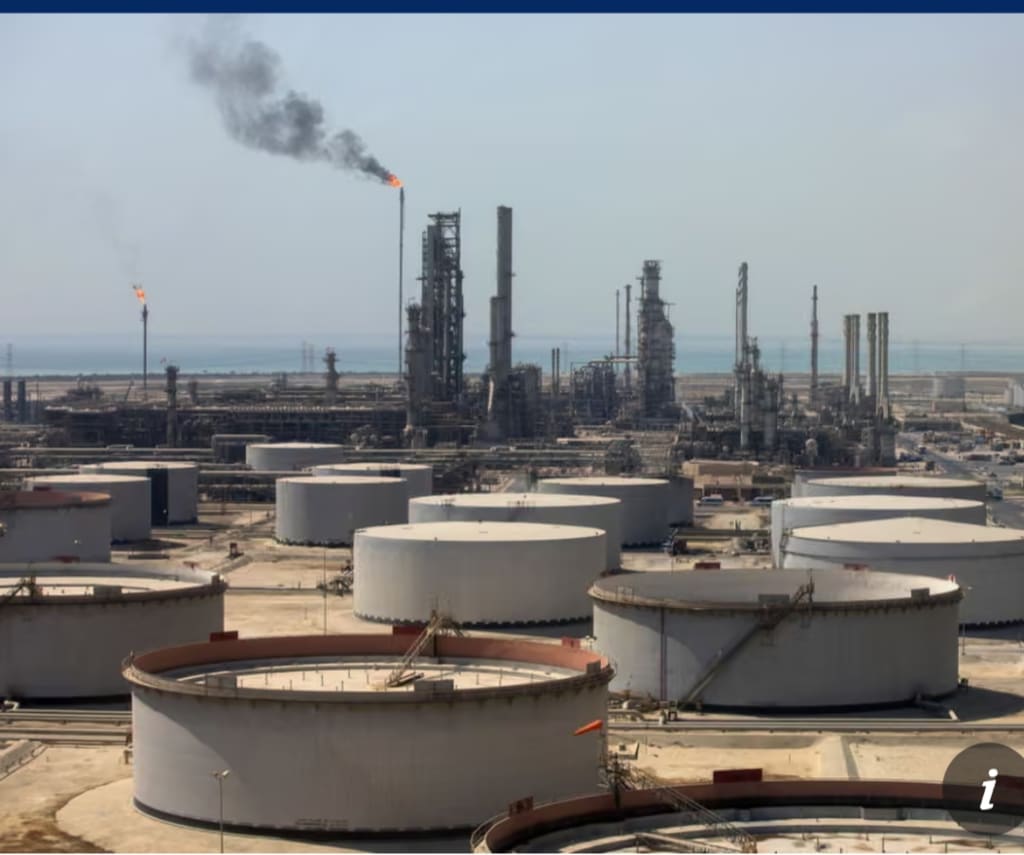
A groundbreaking new study has revealed that 32 fossil fuel companies are responsible for half of global carbon dioxide emissions since the industrial era began. The findings highlight the outsized influence of major oil, gas, and coal producers on climate change, and raise urgent questions about accountability, regulation, and the transition to cleaner energy.
The Study’s Key Findings
Researchers analyzed emissions data spanning over 150 years and identified 32 companies — including some of the world’s largest oil and gas firms — as the primary contributors to global CO2 emissions. The study shows that these companies, collectively, are responsible for around 50% of industrial carbon dioxide and methane released into the atmosphere.
Major names on the list include international oil giants, coal mining corporations, and other fossil fuel producers that have supplied energy to industries, transportation, and electricity generation worldwide.
The Role of Fossil Fuels in Climate Change
Fossil fuels, such as oil, coal, and natural gas, are the primary source of human-induced greenhouse gas emissions. When burned, they release CO2 and methane, trapping heat in the atmosphere and contributing to global warming.
Climate scientists warn that continued reliance on fossil fuels will accelerate temperature rise, increase the frequency of extreme weather events, and threaten ecosystems and human livelihoods.
Why Just 32 Companies Have Such a Big Impact
The study highlights a key insight: a small number of corporations hold disproportionate power in global energy markets. These firms not only produce fossil fuels at scale but also influence policy, investment, and global energy infrastructure.
By controlling vast reserves and shaping supply chains, these companies have historically dictated energy production and consumption patterns, amplifying their impact on climate change.
Accountability and Legal Implications
The findings of the study raise questions about corporate responsibility. Environmental groups and researchers argue that these 32 companies should be held accountable for their historical and ongoing contributions to greenhouse gas emissions.
In recent years, several lawsuits have been filed against major fossil fuel producers, seeking compensation for climate-related damages. These cases aim to establish legal liability for the environmental and social costs of emissions, including rising sea levels, wildfires, and extreme weather events.
Global Policy Responses
The study comes at a time when governments worldwide are grappling with climate commitments. International agreements such as the Paris Climate Accord set targets to limit global warming to well below 2°C, but progress has been slow, partly due to the influence of major fossil fuel corporations.
Some policymakers are advocating for stricter regulations, carbon taxes, and incentives for renewable energy to reduce dependence on fossil fuels and accelerate the energy transition.
The Fossil Fuel Industry’s Perspective
Fossil fuel companies argue that they play a critical role in meeting global energy demand and supporting economic development. Many also highlight investments in cleaner technologies, carbon capture, and renewable energy as evidence of their efforts to reduce environmental impact.
However, critics contend that these measures are insufficient compared to the scale of emissions generated and the companies’ historical responsibility.
Impact on Public Awareness and Activism
The study has fueled public debate about the role of corporate responsibility in climate change. Environmental activists argue that transparency about emissions and corporate influence is essential to holding polluters accountable and driving policy change.
Grassroots campaigns and global climate strikes have increasingly targeted major fossil fuel companies, demanding reductions in production and stronger climate action.
The Path to Decarbonization
Experts emphasize that tackling climate change requires both systemic changes and individual actions. Governments, corporations, and communities must work together to transition to renewable energy, improve energy efficiency, and implement sustainable practices.
Shifting away from fossil fuels will also require investments in clean energy infrastructure, battery technology, and public transport systems to reduce reliance on carbon-intensive energy sources.
Economic and Social Considerations
Reducing fossil fuel use has economic and social implications. Millions of people worldwide depend on oil, coal, and gas industries for employment, and sudden changes could disrupt economies. Experts call for just transition policies that support workers, communities, and regions reliant on fossil fuel production while promoting sustainable growth.
The Urgency of Climate Action
The study underscores the urgent need for immediate climate action. With just 32 companies contributing half of all CO2 emissions, targeting policies at major emitters could have a substantial impact on global warming trajectories.
Climate scientists warn that delays in reducing emissions could lock in long-term environmental and social consequences, affecting generations to come.
Conclusion: A Call for Responsibility and Change
The revelation that a small group of fossil fuel firms is responsible for half of global emissions highlights the magnitude of corporate influence on climate change. It also emphasizes the need for policy reform, corporate accountability, and rapid adoption of clean energy solutions.
As nations and communities confront the climate crisis, the study serves as a reminder that addressing global warming requires collaboration, transparency, and decisive action from governments, corporations, and individuals alike.
The world faces a critical moment: reducing emissions from these key players, while transitioning to sustainable energy, could determine whether global temperature rise is limited or catastrophic.
About the Creator
Keep reading
More stories from Aarif Lashari and writers in Earth and other communities.
Trump Signs Order to Limit Wall Street Investors in Single-Family Housing
Former U.S. President Donald Trump has signed an executive order aimed at restricting Wall Street investors from buying large numbers of single-family homes. The move comes amid growing concerns over the affordability of housing for middle-class Americans and the increasing role of institutional investors in the residential real estate market.
By Aarif Lashariabout 5 hours ago in Earth
We Outpaced the Soil
We learned how to move faster than the ground beneath us. At first, it felt like progress. Roads unrolled like promises, machines hummed with the confidence of certainty, and cities rose as if the earth itself had agreed to carry our weight. We measured time in minutes saved, distances conquered, yields multiplied. We learned to outpace the seasons, to outsmart rain, to hurry seeds into obedience. We learned to treat the soil like a resource instead of a relationship.
By Jhon smith2 days ago in Earth




Comments
There are no comments for this story
Be the first to respond and start the conversation.