
introduction :
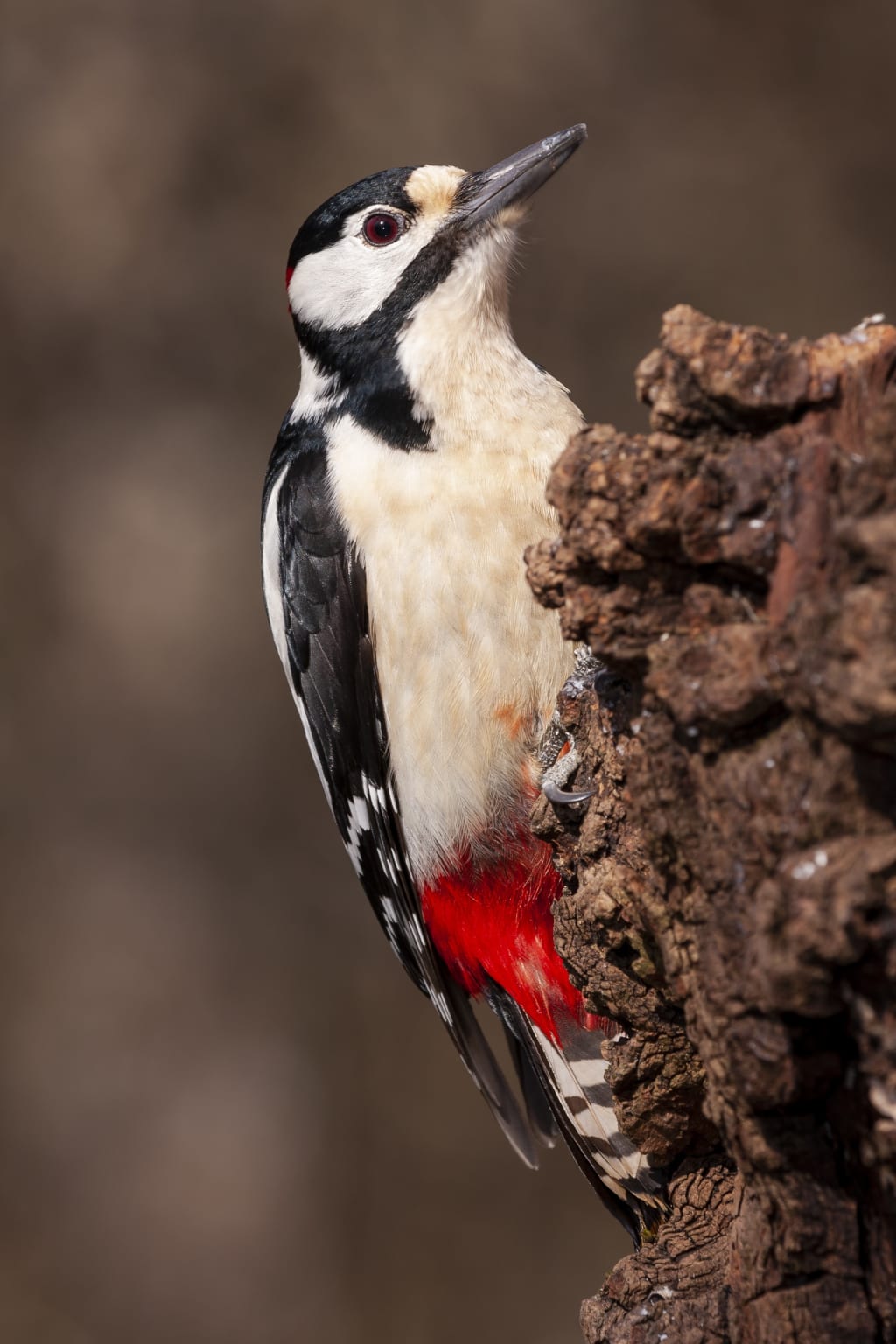
Woodpeckers are among the most fascinating avian species, revered for their specialized behavior and unique adaptations. India is home to a diverse array of woodpecker species, showcasing their brilliance as both ecosystem engineers and environmental indicators. These birds, with their remarkable ability to carve tree trunks and forage expertly, play a crucial role in the ecosystems they inhabit. This article delves into the intriguing world of Indian woodpecker birds, exploring their characteristics, ecological importance, challenges, and conservation.
Taxonomy and Species Diversity :
Woodpeckers belong to the family *Picidae*, encompassing around 240 species globally. India hosts a significant variety, including both widespread and endemic species. Some notable Indian woodpeckers are:
1. Black-rumped Flameback (Dinopium benghalense): The most common and iconic woodpecker, recognized by its golden plumage and red crest.
2. Greater Flameback (Chrysocolaptes guttacristatus): A larger species, often found in forests and woodlands.
3. Brown-headed Woodpecker (Yungipicus nanus):A smaller species that frequents scrub forests and gardens.
4. Himalayan Woodpecker (Dendrocopos himalayensis): Found in the Himalayan region, it prefers temperate and coniferous forests.
5. White-bellied Woodpecker (Dryocopus javensis): The largest woodpecker in India, inhabiting dense evergreen forests.
India's diverse climates and habitats, ranging from tropical rainforests to alpine forests, support a wide variety of woodpecker species, each adapted to its unique environment.
Morphology and Adaptations:
Woodpeckers are easily identified by their sturdy bodies, strong beaks, and zygodactyl feet (two toes pointing forward and two backward), which provide exceptional grip on vertical tree trunks. Other key adaptations include:
Chisel-like Beak: Their robust beaks are specialized for boring into wood to extract insects and create nesting cavities.
Shock-absorbent Skull: To withstand the impact of pecking, woodpeckers have a spongy bone structure and a small brain tightly encased within the skull.
Barbed Tongue: Their tongues can extend far beyond their beaks and are tipped with barbs, allowing them to extract insects from crevices.
Stiff Tail Feathers: These act as props, providing stability when climbing or foraging on tree trunks.
Behavior and Diet :
Woodpeckers are diurnal and spend most of their day foraging for food or excavating trees. Their diet is primarily insectivorous, consisting of ants, termites, beetles, and their larvae. However, many species are omnivorous, consuming fruits, seeds, and tree sap, particularly during lean seasons.
Their characteristic drumming sound is not only a feeding behavior but also serves as a form of communication, particularly for territorial defense and attracting mates. Drumming patterns and frequencies are species-specific and can carry over long distances in the forest.
Habitat and Distribution :
Indian woodpeckers are distributed across varied habitats, from the dense rainforests of the Western Ghats and the Sundarbans to the alpine forests of the Himalayas.
Tropical and Subtropical Forests: Species like the White-bellied Woodpecker thrive in evergreen and deciduous forests.
Grasslands and Scrublands: Smaller woodpeckers like the Brown-headed Woodpecker adapt well to open areas with sparse trees.
Urban and Semi-urban Areas:The Black-rumped Flameback is often spotted in parks, gardens, and plantations, showcasing its adaptability.
Woodpeckers prefer habitats with old or dying trees, as these provide ideal nesting and foraging opportunities.
Ecological Importance:
Woodpeckers play a pivotal role in maintaining forest health and biodiversity.
1. Ecosystem Engineers: By creating cavities in trees, woodpeckers provide nesting and sheltering sites for secondary cavity-nesters like owls, bats, and some reptiles.
2. Pest Control: Their diet includes wood-boring insects and larvae, helping to control pest populations and protect trees.
3. Seed Dispersers: Species that consume fruits aid in dispersing seeds, contributing to forest regeneration.
4. Forest Health Indicators: As sensitive species, their presence or absence often reflects the overall health of forest ecosystems.
Breeding and Nesting:
Woodpeckers are monogamous, with pairs often collaborating in nest excavation, incubation, and chick-rearing.
Nesting: Nests are typically excavated in dead or decaying trees, though some species use live trees. The nesting cavity is lined with wood chips, providing a soft bed for the eggs.
Eggs and Incubation: Females lay 2–5 eggs, which are white and unmarked. Both parents share incubation duties, which last about 10–14 days.
Chick Rearing: Hatchlings are altricial (born naked and helpless) and depend on their parents for food and protection. They fledge within 3–4 weeks but often stay with their parents for some time.
Threats and Challenges :
Despite their resilience, Indian woodpeckers face numerous threats:
1. Deforestation: The loss of mature trees due to logging, agriculture, and urbanization reduces nesting and foraging sites.
2. Habitat Fragmentation: Fragmented landscapes make it difficult for woodpeckers to find adequate resources, leading to population decline.
3. Climate Change: Altered weather patterns affect food availability and habitat suitability, particularly for species in specialized niches.
4. Human-wildlife Conflict: In agricultural regions, woodpeckers are sometimes perceived as pests and targeted by farmers.
Conservation Efforts :
Conserving woodpeckers requires a multi-pronged approach that addresses habitat protection, community involvement, and scientific research.
1. Habitat Conservation: Preserving forests and promoting afforestation with native tree species ensures the availability of nesting and foraging sites.
2. Legal Protection: Many woodpecker species are protected under the Indian Wildlife Protection Act, 1972, which prohibits hunting and trade.
3. Community Awareness: Educating local communities about the ecological importance of woodpeckers can foster coexistence and reduce conflicts.
4. Citizen Science Projects: Initiatives like bird counts and monitoring programs engage enthusiasts in tracking woodpecker populations, providing valuable data for conservation.
Notable Cultural and Symbolic Significance :
Woodpeckers hold symbolic value in various cultures. In Indian folklore, they are often associated with persistence, resilience, and creativity. Their ability to carve wood has also inspired local artisans and nature enthusiasts.
Conclusion :
Indian woodpeckers, with their vibrant plumage, unique behaviors, and ecological significance, are a vital component of the country's avifauna. However, their survival is intricately tied to the health of the forests they inhabit. Protecting these birds requires a holistic approach that balances development with conservation.
By valuing the Indian woodpecker as a symbol of ecological harmony and dedicating efforts to preserve their habitats, we ensure the continuation of their legacy as nature's master carpenters for generations to come.
-------------
About the Creator
Subhash C
As a naturalist, I am passionate about conservation and educating others about the importance of biodiversity and ecological balance. My work involves field research, wildlife observation, and environmental advocacy.
Global Agreement to Limit Greenhouse Gases Enters into Force
A major step in the global fight against climate change has begun as countries around the world start implementing a landmark agreement designed to limit greenhouse gas emissions. The agreement represents years of negotiations, scientific warnings, and increasing public concern about the growing impacts of global warming on ecosystems, economies, and human life.
By Irshad Abbasi 6 days ago in Earth


Comments
There are no comments for this story
Be the first to respond and start the conversation.