
The Importance of Rain for Prosperous Farms
Importance of Rain

⸻
The Importance of Rain for Prosperous Farms
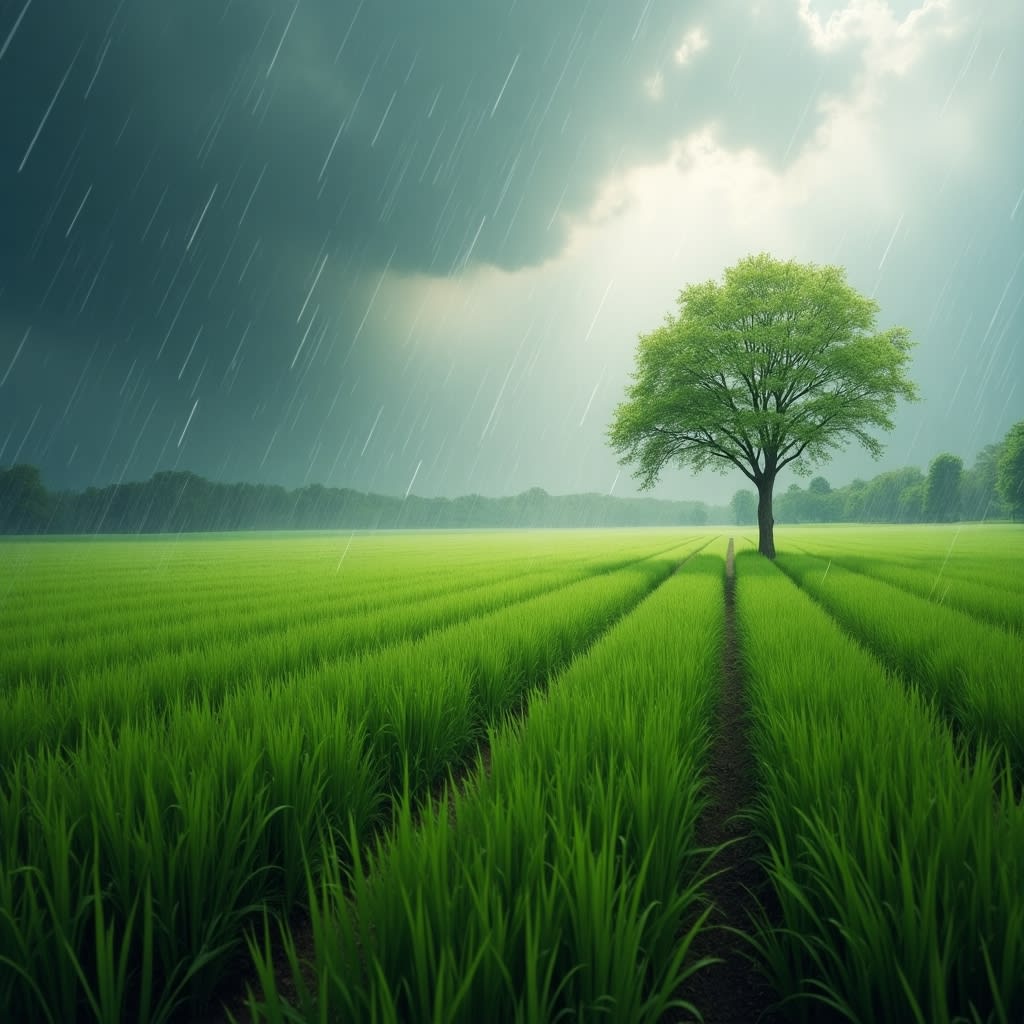
Rain is one of the most essential natural resources for agriculture and plays a vital role in the success of farming systems around the world. From nourishing crops to replenishing soil nutrients, rainfall directly impacts farm productivity and food security. Understanding the importance of rain for prosperous farms helps farmers, policymakers, and consumers appreciate how closely agriculture is connected to nature.
Rainfall and Crop Growth
Rain provides the primary source of water for crops, which is necessary for photosynthesis, nutrient absorption, and overall plant development. Adequate rainfall ensures healthy crop growth, higher yields, and better-quality produce. Crops such as rice, wheat, maize, and vegetables depend heavily on consistent rainfall during their growing seasons. Without sufficient rain, crops can suffer from drought stress, stunted growth, and reduced harvests.
In rain-fed agriculture, which supports a large portion of global farming, seasonal rainfall patterns determine planting and harvesting schedules. Farmers closely monitor rainfall levels to decide when to sow seeds and how to manage irrigation. Proper rainfall distribution helps maintain soil moisture, allowing roots to absorb water efficiently and sustain crop health.
Soil Fertility and Rainwater
Rain plays a crucial role in maintaining soil fertility, which is essential for prosperous farms. When rain falls, it dissolves and transports nutrients deeper into the soil, making them accessible to plant roots. Rainwater also helps activate beneficial microorganisms in the soil that contribute to nutrient cycling and organic matter decomposition.
Additionally, rainfall helps prevent soil degradation by maintaining moisture levels that reduce soil cracking and erosion. Gentle, well-distributed rain improves soil structure, enhances water retention, and supports sustainable farming practices. Healthy soil combined with regular rainfall leads to increased agricultural productivity and long-term farm sustainability.
Rain and Water Resources for Agriculture
Rainfall is vital for replenishing natural water sources such as rivers, lakes, reservoirs, and groundwater. These water resources are essential for irrigation systems, especially during dry periods. Consistent rainfall ensures a steady supply of freshwater for farms, reducing dependence on artificial irrigation and lowering farming costs.
Rainwater harvesting has also become an important agricultural practice in many regions. By collecting and storing rainwater, farmers can improve water efficiency, protect crops during droughts, and promote climate-resilient agriculture. This highlights how rainfall supports both traditional and modern farming techniques.
Impact on Livestock and Pastures
Rain is not only important for crops but also for livestock farming. Adequate rainfall promotes the growth of grasses and forage crops that serve as primary feed for animals. Healthy pastures result in better livestock nutrition, higher milk production, and improved animal health. In contrast, low rainfall can lead to dry grazing lands, feed shortages, and economic losses for farmers.
Rain, Climate Balance, and Sustainable Farming
Rainfall plays a key role in maintaining climate balance and supporting sustainable agriculture. Predictable rain patterns help farmers adapt to seasonal changes and implement effective crop rotation and soil conservation strategies. As climate change increases rainfall variability, managing rain efficiently becomes even more important for farm prosperity.
Sustainable farming practices such as conservation agriculture, mulching, and agroforestry help retain rainwater in the soil and reduce runoff. These methods maximize the benefits of rainfall while protecting the environment.
Conclusion
The importance of rain for prosperous farms cannot be overstated. Rain supports crop growth, enhances soil fertility, replenishes water resources, and sustains livestock production. Without reliable rainfall, agricultural productivity and food security would be severely threatened. By valuing and managing rainwater wisely, farmers can build resilient farming systems that ensure long-term prosperity and sustainability for future generations.
About the Creator
Sohel diaries 📖
My stories are not just for reading, they are meant to gain and learn something.📖
Keep reading
More stories from Sohel diaries 📖 and writers in Earth and other communities.
How to Save the World from Pollution
Pollution has become one of the biggest threats to our planet, our health, and our future. From air pollution and water contamination to plastic waste and harmful chemicals, the damage is visible everywhere. If we want to protect our environment and create a sustainable future, we must take strong action now. The good news is that every individual can make a meaningful difference. In this article, we’ll explore how to save the world from pollution through simple changes, eco-friendly habits, and community-driven solutions.
By Sohel diaries 📖3 months ago in Earth
Industrial Deployment of Biochar in Modern Metal Smelting Systems
Biochar is increasingly examined as a functional carbonaceous material in high-temperature metallurgical operations. Traditionally dominated by fossil-derived coke and coal, metal smelting processes are under pressure to decarbonize while maintaining reductive efficiency and structural reliability. Biochar, when properly engineered, presents a technically viable supplementary reductant in the production of steel, silicon, and ferroalloy. Its application, however, requires stringent control of physicochemical properties and integration within existing furnace infrastructure.
By Wayne Shen3 days ago in Earth




Comments
There are no comments for this story
Be the first to respond and start the conversation.