
The Importance of Marine Protected Areas for Ocean Conservation
Preserving Biodiversity and Promoting Sustainable Use Of Ocean Resources
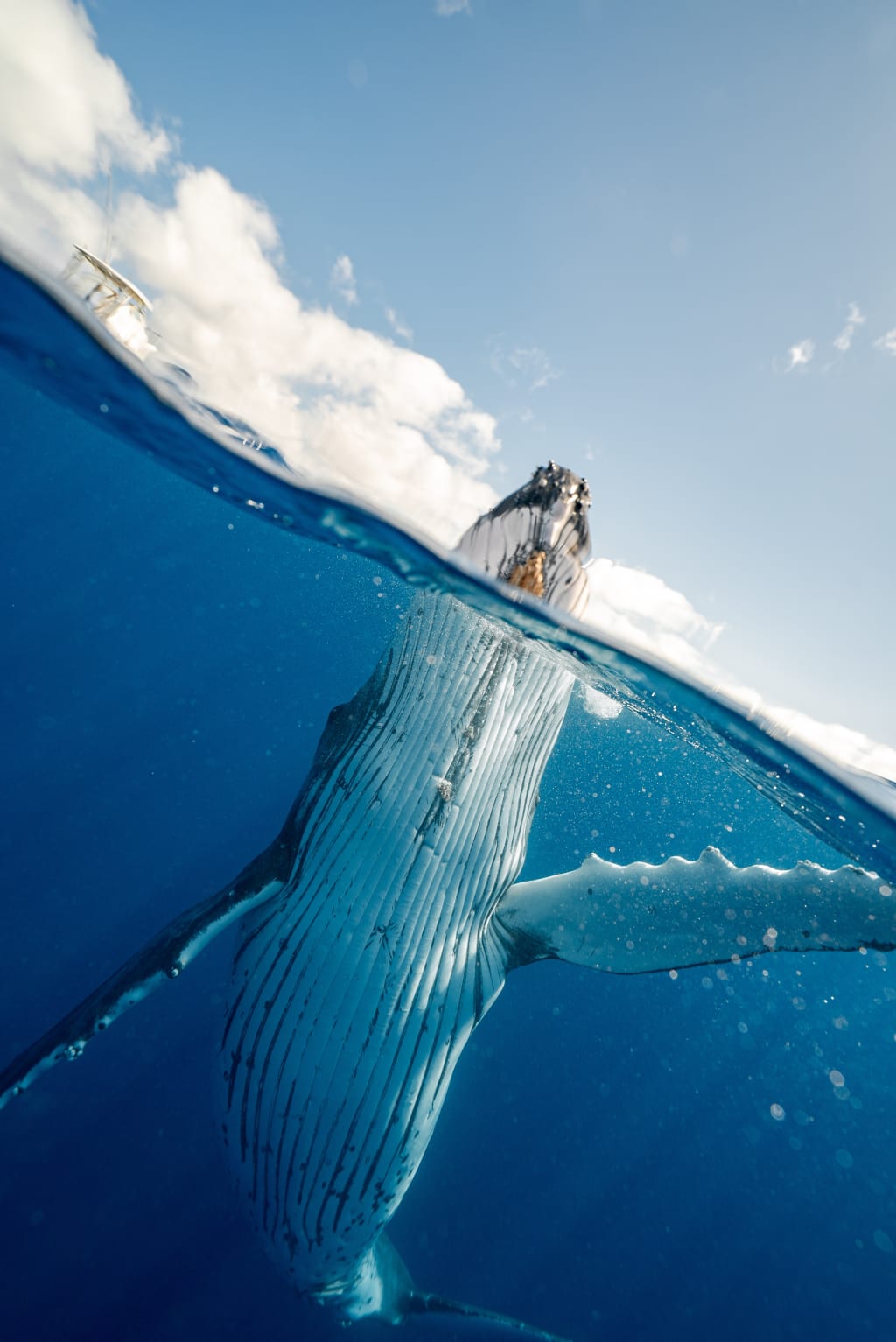
Our oceans are home to an incredible diversity of marine life, from tiny plankton to massive whales. However, human activity has taken a toll on these delicate ecosystems, with pollution, overfishing, and climate change all posing significant threats to the health and wellbeing of our oceans. To protect the biodiversity and ecological health of these environments, Marine Protected Areas (MPAs) have become increasingly important.
MPAs are designated areas in the ocean where human activities are restricted or prohibited, allowing marine life to thrive without the disturbances caused by human activity. These areas can take many different forms, from fully protected reserves to partially protected areas where some fishing or other activities are allowed under strict regulations. The goal of MPAs is to create safe spaces for marine life to breed, feed, and grow, helping to protect and conserve biodiversity in the ocean.
One of the primary benefits of MPAs is that they help to restore and maintain fish populations. By reducing fishing pressure and protecting important spawning and nursery areas, MPAs can allow fish stocks to recover and replenish. This not only benefits the marine life within the protected area but also helps to support commercial and recreational fishing outside of the MPA. In fact, studies have shown that MPAs can lead to increased fish populations and larger, healthier individuals, which can ultimately benefit fishing communities and economies.
In addition to supporting fisheries, MPAs also play an important role in protecting endangered and threatened species. Many marine species, including turtles, sharks, and whales, are under threat due to human activities such as fishing, shipping, and pollution. By protecting key habitats and areas of critical importance to these species, MPAs can help to prevent further declines and promote recovery. For example, in the waters off the coast of California, MPAs have been established to protect the critically endangered Pacific leatherback sea turtle, which relies on the area for nesting and feeding.
MPAs are also critical for protecting and preserving fragile and complex ecosystems, such as coral reefs. These ecosystems are some of the most biodiverse in the world, providing habitat and food for countless marine species. However, they are under threat from a range of factors, including warming waters, pollution, and ocean acidification. MPAs can help to protect and preserve these ecosystems by reducing local stressors and promoting recovery. In fact, research has shown that MPAs can increase the abundance and diversity of coral and other species, helping to promote the long-term health and resilience of these important ecosystems.
Beyond their ecological benefits, MPAs can also have economic benefits. They can help to support tourism and recreational activities such as diving and snorkeling, which can generate income for local communities. In fact, studies have shown that MPAs can lead to increased economic benefits over time, as healthy fish populations and vibrant ecosystems attract more visitors and support more sustainable fishing practices.
However, creating and maintaining MPAs is not without its challenges. It requires collaboration and support from governments, stakeholders, and communities to establish and enforce effective protections. It also requires careful planning to ensure that the areas selected for protection are ecologically important and strategically located to maximize their impact. In some cases, creating MPAs can be politically and socially contentious, particularly if they restrict or limit traditional fishing or other activities that are important to local communities.
Despite these challenges, the importance of MPAs for ocean conservation cannot be overstated. As our oceans face increasing pressures from human activities, we must take action to protect and preserve these vital ecosystems. By creating and effectively managing MPAs, we can help to restore and maintain fish populations, protect endangered and threatened species, and preserve fragile and complex ecosystems like coral reefs. We can also support local economies and promote sustainable practices that benefit both people and the environment. The creation and maintenance of MPAs are a key tool in our efforts to ensure that the oceans
About the Creator
Keep reading
More stories from writers in Earth and other communities.
The AI Boom Will Increase U.S. Carbon Emissions—But It Doesn’t Have to
Artificial intelligence is reshaping the U.S. economy at a breathtaking pace. From generative AI tools and cloud computing to data-driven healthcare and finance, the AI boom promises productivity gains, innovation, and economic growth. But beneath this technological optimism lies a growing concern: AI is energy-hungry, and without intervention, it could significantly increase U.S. carbon emissions.
By Muhammad Hassan2 days ago in Earth
📢 Raise Your Voice Thread: 01/22/2026
Our “Raise Your Voice Threads” are hosted most alternating Thursdays at 12PM ET to offer creators more avenues to uncover exceptional stories on Vocal. As we are continuously searching for fresh creators and inspiring stories, this thread provides an opportunity to exchange and discuss the stories that have moved and motivated us on Vocal.
By Raise Your Voice by Vocal2 days ago in Resources



Comments
There are no comments for this story
Be the first to respond and start the conversation.