
The Importance of Bees in our Ecosystem
What our future could look like

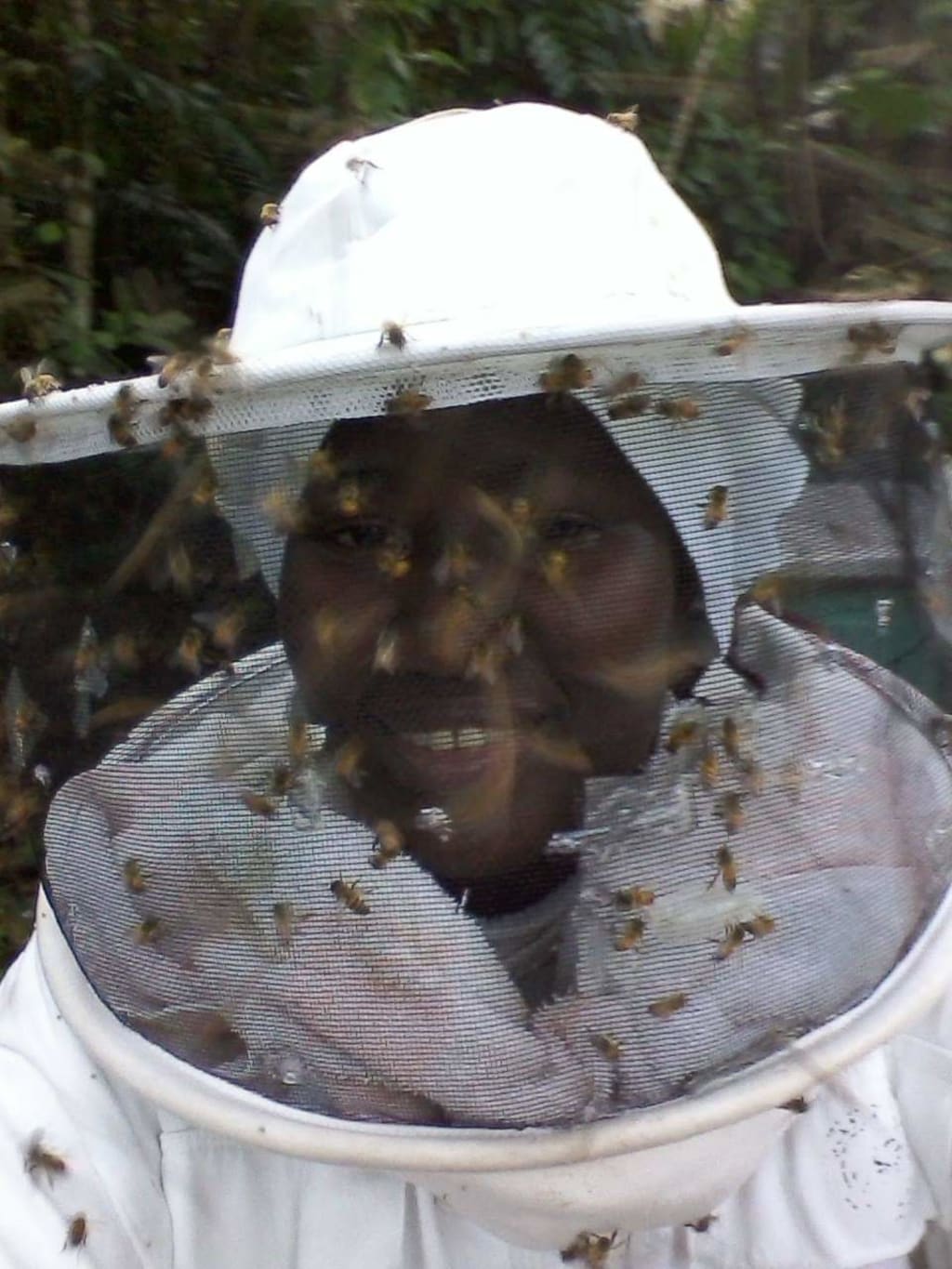
Bees may not be our favorite insects due to their painful stings, but they play a crucial role in our ecosystem. As the most prolific pollinators, bees are responsible for pollinating over a third of the crops that feed the world's population. Unfortunately, bees are currently facing a significant decline in their population, which could have severe consequences for our global food supply. In this article, we will explore what a world without bees would look like and the potential impact on our environment and diet.
The Role of Bees in Pollination
To understand the significance of bees in our ecosystem, we must first grasp the concept of pollination. Pollination is the process by which plants reproduce and grow fruits and vegetables. Bees are incredibly efficient pollinators, equipped with specialized equipment like hairs to store pollen. They contribute to the pollination of approximately 84% of insect-pollinated crops that humans consume. This translates to an astounding $235 billion to $577 billion in annual food production worldwide.
The Impact on our Food Supply
If all the bees on Earth were to suddenly vanish, our planet would face dire consequences. Supermarket shelves would be stripped of about half the fruits and vegetables we currently enjoy. Luxuries like almonds, apples, and avocados would become scarce or even disappear entirely. The dairy industry, which relies on alfalfa as feed for cattle, would also suffer. The extinction of bees could trigger a disastrous domino effect, leading to the decline of animals that depend on these plants for survival.
While a global famine may not be imminent, the absence of bees would undoubtedly impact our diets. While wind-pollinated plants, such as wheat, can meet our calorie needs, the loss of animal-pollinated plants would result in a scarcity of key nutrients. Many of the plants that rely on animal pollination provide essential micronutrients that contribute to our overall health. Scurvy, caused by a lack of Vitamin C, could become a prevalent issue without access to citrus fruits and other nutrient-rich bee-pollinated foods.
Economic Implications and Accessibility
The value of bees' work extends beyond their ecological significance. According to the US Department of Agriculture, bees contribute an estimated $15 billion annually to US farmers. Without bees, the cost of produce would skyrocket, placing an additional burden on already socioeconomically challenged individuals who struggle to access healthy foods. The impact of a bee-less future would be particularly severe for those who are already vulnerable.
Declining Bee Populations
The decline in bee populations is a pressing concern that requires urgent attention. In recent years, beekeepers in the United States reported losing 41% of their colonies. This trend is not confined to the US, as bees have been dying off at alarming rates globally for the past decade. The causes of this decline are complex, with factors such as global warming, pesticide overuse, and parasitic varroa mites contributing to the problem. Scientists are still working to pinpoint the precise reasons behind this sudden decline.
Efforts to Protect Bees
Efforts are underway worldwide to monitor bee colonies and develop new pollination methods. Researchers are exploring innovative solutions, such as using robots or drones as alternative pollinators. However, these methods are likely to be more costly and may not fully replace the efficiency of natural bee pollination. To combat the decline of bee populations, it is crucial for individuals to contribute their efforts as well.
How to Support Bee-Friendly Practices
The average person can make a difference by adopting bee-friendly practices. If you have a garden, consider planting a diverse range of flowers that provide nectar throughout the year. Some bees nest in soil, so leaving patches of bare ground can be beneficial. Providing a water source for bees and reducing the use of harmful pesticides are also essential steps in supporting their survival.
The Ongoing Battle to Save Bees
While steps are already being taken to protect bees, there is still much work to be done. Governments, organizations, and individuals must prioritize the preservation of these vital pollinators. By raising awareness, implementing sustainable agricultural practices, and supporting research, we can help ensure the survival of bees and safeguard our food supply for future generations.
Conclusion
Bees are not just insects that can inflict painful stings; they are essential contributors to our global ecosystem. Their role as pollinators is crucial for the reproduction and growth of crops that feed the world's population. The decline in bee populations poses a significant threat to our food supply, with potential consequences for our health and economy. While efforts are being made to protect bees, it is crucial for individuals to support bee-friendly practices and advocate for their preservation. By taking action now, we can help secure a future where bees continue to buzz and thrive in our world.
About the Creator
Keep reading
More stories from Petra Rattan and writers in Earth and other communities.
The Science Behind Tooth Regeneration in Animals and Humans
Introduction Humans have long been fascinated by the ability of certain animals to regrow their teeth. While humans are prone to dental issues and rely on dentists for treatment, some animals have the remarkable ability to replace their teeth naturally. This phenomenon has sparked curiosity and led scientists to explore the potential for tooth regeneration in humans. In this article, we will delve into the science behind tooth regeneration in animals and the reasons why humans cannot regrow their teeth. We will also explore current research and potential future advancements in the field.
By Petra Rattan2 years ago in Earth
Biochar: Unlocking the Potential for Climate Change Mitigation and Carbon Markets
Biochar is created through the process of pyrolysis, where organic materials such as agricultural waste, wood, or even certain types of plastic are heated in the absence of oxygen. This process breaks down the biomass into three main products: gas, liquid (bio-oil), and solid carbon-rich residue—biochar. Unlike organic matter that decomposes naturally, releasing carbon dioxide (CO₂) into the atmosphere, biochar locks carbon in a stable form that can persist in the soil for hundreds or even thousands of years.
By Bestonpyrolysis7 days ago in Earth
Getting Serious About Comedy (Part I)
If I were asked to remark on my life and the childhood that paved some road leading me to this point, I would have to say something about all the funny people who surrounded me for the last 26,872 days (and counting). Somewhere along that road, I became a big fan of laughter and the comedy that spawns it – and, I mean not only my own laughter, but the laughter of others, some of which I have actually been responsible for inducing.
By John Oliver Smith7 days ago in Humor


Comments
There are no comments for this story
Be the first to respond and start the conversation.