
The Science Behind Tooth Regeneration in Animals and Humans
Just imagine

Introduction
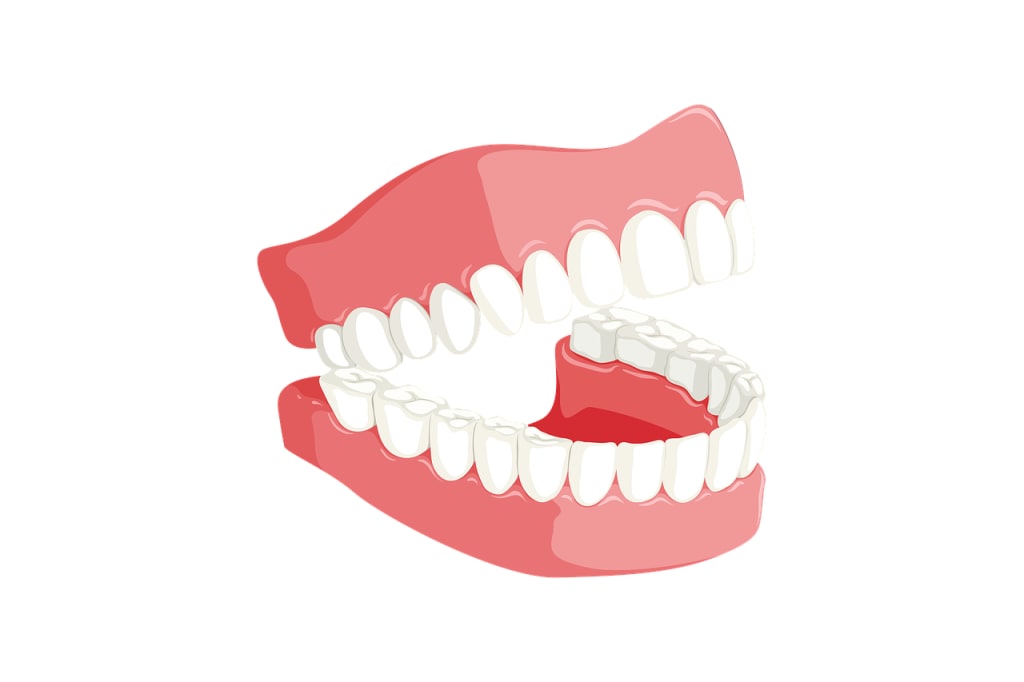
Humans have long been fascinated by the ability of certain animals to regrow their teeth. While humans are prone to dental issues and rely on dentists for treatment, some animals have the remarkable ability to replace their teeth naturally. This phenomenon has sparked curiosity and led scientists to explore the potential for tooth regeneration in humans. In this article, we will delve into the science behind tooth regeneration in animals and the reasons why humans cannot regrow their teeth. We will also explore current research and potential future advancements in the field.
The Unique Ability of Animals to Regrow Teeth
Animals such as geckos possess the extraordinary ability to regrow their teeth multiple times throughout their lives. For instance, geckos replace all 100 or so teeth every three to four months, resulting in thousands of teeth being regenerated over their lifespan1. This remarkable feat is made possible by specialized cells called stem cells, which reside in the gums of these animals.
Stem cells are versatile cells that have the ability to differentiate into various cell types. Tooth stem cells, in particular, are responsible for the regeneration of new teeth in animals1. While humans also possess stem cells in their gums during their early development, these cells die off after the adult teeth have grown in. The question arises: why do humans lose the ability to regrow teeth?
The Evolutionary Trade-Off
To understand why humans cannot regrow teeth like some animals, we need to examine the evolutionary changes that led to this trade-off. Throughout evolution, there have been significant differences in tooth shape between reptiles and mammals1. Reptiles, being generalists, have teeth of similar size and shape, enabling them to capture and consume a wide range of prey effectively.
On the other hand, mammals have more specific diets, with some being grazers that primarily consume grass, while others are hunters that tear flesh from their prey1. This dietary specialization has led to the evolution of different-shaped teeth in mammals to serve specific purposes. However, these varied tooth shapes could potentially hinder the regrowth of teeth in mammals.
Imagine if humans could regrow their molars multiple times. It is crucial for the top and bottom sets of teeth to align correctly to ensure efficient food grinding1. With each regrowth, there is a risk that the newly regenerated teeth won't line up properly, leading to functional issues. Therefore, the prevailing theory suggests that humans have lost the ability to regrow teeth as it is more advantageous for survival to have a single well-aligned set of adult teeth1.
Potential Solutions for Tooth Regeneration in Humans
While humans currently cannot regrow their teeth naturally, scientists have been exploring potential solutions to this problem. Recent research has shown promising results in regrowing damaged tooth tissue in laboratory animals. Using a combination of lasers and drugs, researchers have successfully stimulated tissue regeneration in cavity-ridden teeth of rats and mice1.
These experiments provide hope for the future possibility of regrowing entire teeth in humans. By understanding the mechanisms behind tooth regeneration in animals, scientists can develop innovative approaches to stimulate the growth of new teeth in humans1. However, it is important to note that human testing has not been conducted yet, and further research is required to ensure the safety and efficacy of these methods.
Maintaining Oral Health: The Importance of Dental Care
While the prospect of tooth regeneration in humans is exciting, it is essential to prioritize oral health care in the present. Regular dental visits, proper oral hygiene practices, and preventive measures such as flossing and brushing are crucial for maintaining healthy teeth and gums1.
Dentists play a vital role in diagnosing and treating dental issues, ensuring that any problems are addressed promptly. Therefore, it is advisable to continue seeing your dentist regularly and following their recommendations for optimal oral health1.
Conclusion
The ability of certain animals to regrow their teeth has captivated our imagination and spurred scientific exploration into tooth regeneration in humans. While humans have lost this ability over the course of evolution, ongoing research holds promise for future advancements in regenerative dentistry.
Understanding the evolutionary trade-offs and the specialized tooth shapes in mammals provides insight into why humans cannot naturally regrow their teeth. However, recent experiments using lasers and drugs have shown encouraging results in stimulating tissue regeneration in laboratory animals, raising hope for the future possibility of regrowing teeth in humans.
In the meantime, maintaining good oral hygiene practices and seeking regular dental care remain crucial for ensuring healthy teeth and gums. By prioritizing dental health, we can continue to enjoy strong and functional teeth while awaiting potential breakthroughs in tooth regeneration.
About the Creator
Keep reading
More stories from Petra Rattan and writers in Earth and other communities.
Hidden Effects of Hurricanes on Marine Life
Introduction When we think of hurricanes, we often picture the destructive force they unleash on land. However, there is a hidden side to these powerful storms that we rarely consider - the impact on marine life. While sea creatures like dolphins, whales, and sharks may swim to calmer waters, the changes in water temperature and salinity near shore can have catastrophic consequences for marine ecosystems. In this article, we will explore the lesser-known effects of hurricanes on marine life, from the mixing of waters to the disruption of salinity levels, and even the unexpected benefits that hurricanes can bring to certain species.
By Petra Rattan2 years ago in Earth
Birds with Wild Hairdos
Cockatoos are known for their expressive crests, which they raise or lower depending on their mood. The crests can be white, yellow, or pink. These charismatic birds are native to the Australian continent, the islands of the Indo-Australian archipelago, and parts of New Guinea. There are 21 different species of cockatoo, varying in size from the diminutive Galah to the imposing Sulphur-crested Cockatoo. Most cockatoo species are highly social birds, forming strong pair bonds that often last a lifetime. Cockatoos are primarily herbivores, with a diet consisting of seeds, nuts, fruits, roots, and occasionally insects and larvae.
By Rasma Raistersa day ago in Earth


Comments
There are no comments for this story
Be the first to respond and start the conversation.