
The Impact of Desertification on African Agriculture
Analysis of the hazardous effects of Desertification

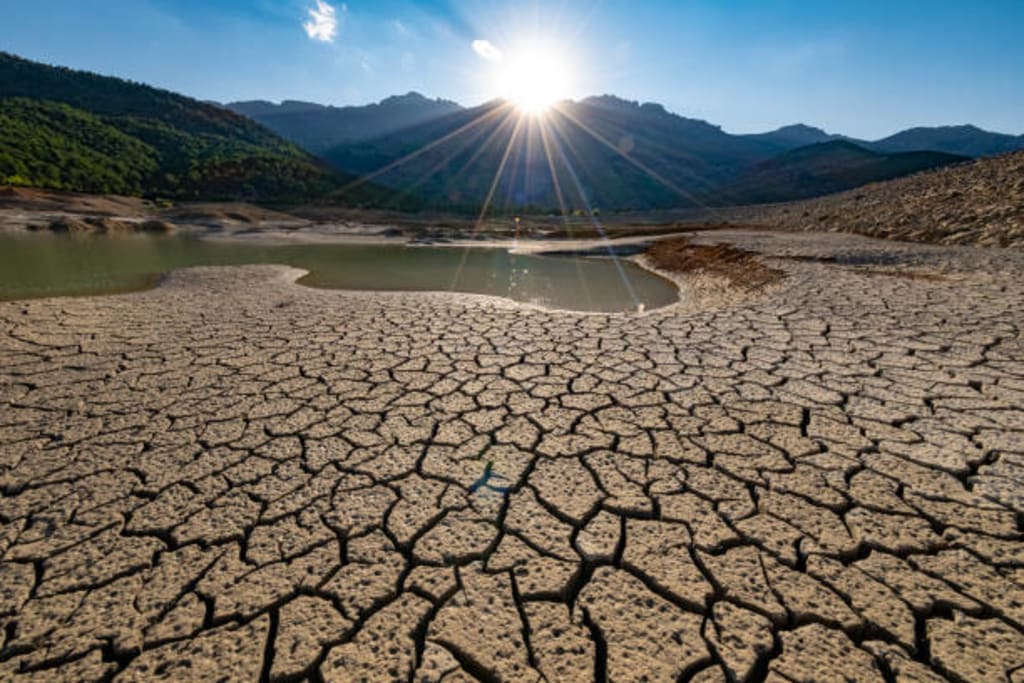
Desertification is a pressing environmental issue with profound implications for African agriculture, a sector that sustains the livelihoods of millions across the continent. This creeping phenomenon, driven primarily by climate change, deforestation, and unsustainable land management practices, has dire consequences for food security, economic stability, and social well-being in Africa.
One of the most immediate impacts of desertification is the loss of arable land. As fertile soils turn into barren expanses of sand and dust, the capacity to grow crops diminishes. This, in turn, leads to reduced crop yields and food shortages, exacerbating hunger and malnutrition among vulnerable populations. Furthermore, desertification disrupts traditional farming practices, forcing farmers to adapt or migrate in search of more fertile land. Such migration patterns can contribute to social unrest and conflict over scarce resources.
The water scarcity associated with desertification compounds these challenges. Shrinking water sources strain agricultural irrigation systems and limit livestock access to water. Prolonged droughts become more frequent, making it difficult for farmers to rely on rain-fed agriculture. Additionally, as temperatures rise due to climate change, crop diseases and pests thrive, further threatening crop yields and food production. Desertification became an increasingly severe issue in Africa over the twentieth century, causing widespread environmental deterioration and jeopardizing the livelihoods of millions of people who rely on the land for food.
In response to these challenges, African nations have been working on various strategies to combat desertification. Reforestation programs, sustainable land management practices, and water conservation efforts are all part of the solution. International collaborations and financial support are crucial in these endeavors.
In conclusion, desertification's impact on African agriculture is a multi-faceted crisis with severe consequences. It threatens food security, exacerbates poverty, and can contribute to social instability. Addressing this issue requires a holistic approach, combining sustainable land management, climate resilience, and international cooperation to safeguard the future of African agriculture and the well-being of its people.
Desertification in Africa is caused by both natural and man-made forces. Climate change, which has resulted in increased aridity and decreasing rainfall in many regions, and soil erosion, which happens naturally but can be exacerbated by human activity, are the principal natural elements that lead to desertification.[14] Desertification in Africa is exacerbated by human factors such as deforestation, overgrazing, and unsustainable farming methods such as monoculture and excessive use of chemical fertilizers. For example, deforestation reduces the quantity of plant that may anchor soil and protect it from erosion, whereas overgrazing depletes vegetation and exposes soil to erosion and degradation. Desertification in Africa is exacerbated by human factors such as deforestation, overgrazing, and unsustainable farming methods such as monoculture and excessive use of chemical fertilizers. For example, deforestation reduces the quantity of plant that may anchor soil and protect it from erosion, whereas overgrazing depletes vegetation and exposes soil to erosion and degradation. Poor land management techniques, such as crop rotation, the use of heavy machinery that compacts soil, and unsustainable water management methods, all contribute to desertification. Mining and oil exploration can also contribute to desertification by disturbing natural ecosystems and reducing soil quality. Population expansion and poverty can exacerbate the situation by increasing resource demand and resulting in unsustainable land use practices. All of these causes have contributed to the degradation of fertile soil, posing a serious threat to the livelihoods of millions of Africans who rely on the land for subsistence.
In conclusion, desertification's impact on African agriculture is a multi-faceted crisis with severe consequences. It threatens food security, exacerbates poverty, and can contribute to social instability. Addressing this issue requires a holistic approach, combining sustainable land management, climate resilience, and international cooperation to safeguard the future of African agriculture and the well-being of its people.
About the Creator
John Nnaji
CEO Billion$ Concepts: Talent Box of Africa
HOME OF INTERESTING VIDEOS
BLOGGER❣️❤️❤️❤️EMAIL for all promotions
[email protected]
Keep reading
More stories from John Nnaji and writers in Earth and other communities.
Climate change in Africa
WHAT IS CLIMATE CHANGE? Climate change refers to changes in the Earth’s climates, at local, regional, or global scales, and is most commonly used to describe anthropogenic, or human-caused, climate change. Climate change is a broad term used to refer to changes in the Earth’s climates, at local, regional, or global scales, and can also refer to the effects of these changes.
By John Nnaji 2 years ago in Earth
The Terrarium Toolkit: AI Helps You Build and Maintain a Miniature World
You assemble layers of earth, carefully position tiny plants, and add decorative stones, culminating in the moment you place the glass lid or front panel. You've created more than a decoration; you've built a miniature, self-contained world. Yet, weeks later, that world can become clouded—literally. Condensation obscures the view, mold appears on the soil, or a once-vibrant plant turns to mush. The delicate balance you sought has tipped.
By Emma Wallace3 days ago in Earth



Comments (1)
so amazing what are you waiting for can you join the group of my friends read the nice story that I have prepared for you have prepared for you