
Climate change in Africa
Constructive review of climate change in Africa and it's effects.

WHAT IS CLIMATE CHANGE?
Climate change refers to changes in the Earth’s climates, at local, regional, or global scales, and is most commonly used to describe anthropogenic, or human-caused, climate change. Climate change is a broad term used to refer to changes in the Earth’s climates, at local, regional, or global scales, and can also refer to the effects of these changes.
Global warming is a term often used interchangeably with climate change, as it is one of the most important measures of global changes. Global warming refers to the rise in average global temperatures, which is linked to significant impacts on humans, wildlife, and ecosystems around the world. Because there are more factors and impacts than only rising surface temperatures, the term climate change is used to include these additional impacts. There is strong consensus among scientists, representing 97% of actively publishing climate scientists, that human influence has been the dominant cause of observed warming trends since the 20th century.
The concentration of carbon dioxide in the atmosphere has risen from hovering around 280 parts per million (ppm) in pre-Industrial time, to 413 ppm as of early 2020.
The impacts of climate change will not be evenly felt around the world – people living in the poorest countries and in geographically vulnerable regions (such as small-island states) will be first and most significantly impacted. This is because communities living in poverty are more likely to be exposed to environmental hazards, are often more dependent on natural resource-based livelihoods such as agriculture, and have fewer resources to cope with climate impacts.
Today, the global community is desperately seeking ways to mitigate the scale and impact of climate change. World leaders are locked in discussions as they attempt to find solutions that will save humanity and the planet. Debates about the reduction of greenhouse gas emissions, a just transition to a net-zero global economy, and who should pay for this, are ongoing. These discussions are critical. Yet the issue which is being overlooked, and which should underscore all attempts to fix our warming Earth is what we are doing to address the loss of nature.
To keep global warming to an absolute minimum, we must anchor and safeguard the natural systems that still exist, in conjunction with reducing greenhouse gas emissions as quickly as possible. These are the most immediate and effective climate actions we have at our disposal.
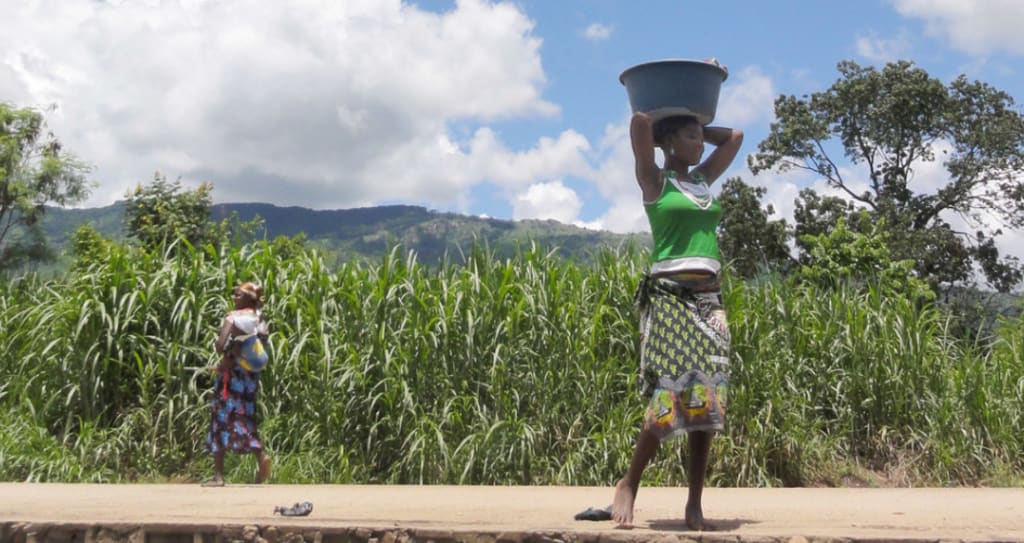
Climate change poses significant challenges to Africa. Rising temperatures, prolonged droughts, and erratic rainfall patterns threaten food security, water resources, and human health. Vulnerable communities face displacement, while ecosystems suffer. Urgent actions are needed, including mitigation efforts and adaptation strategies, to safeguard Africa's environment and well-being.
Africa has the world's lowest per capita greenhouse gas emissions, but is one of the hardest hit continents in terms of climate change impacts. Africa's poorest communities are often powerless in the face of extreme weather events such as droughts and floods, while the famine and the livelihood insecurity that ensue are frequently catastrophic.
Increasing temperatures and sea levels, changing precipitation patterns and more extreme weather are threatening human health and safety, food and water security and socio-economic development in Africa, according to a new report devoted exclusively to the continent.
The State of the Climate in Africa 2019 report, a multi-agency publication coordinated by the World Meteorological Organization (WMO), provides a snapshot of current and future climate trends and associated impacts on the economy and sensitive sectors like agriculture. It highlights lessons for climate action in Africa and identifies pathways for addressing critical gaps and challenges.
The largest anthropogenic (human caused) source of carbon dioxide emissions is the global energy system, which means transforming the global energy system is one of the most significant ways to reduce greenhouse gas emissions and mitigate climate change.
As of 2019, approximately 81% of the world’s primary energy supply still comes from fossil fuels, (specifically, coal, oil, and natural gas), which result in carbon emissions both upstream (in the extraction and production of the energy) and downstream (during the final consumer use of the energy).
About the Creator
John Nnaji
CEO Billion$ Concepts: Talent Box of Africa
HOME OF INTERESTING VIDEOS
BLOGGER❣️❤️❤️❤️EMAIL for all promotions
[email protected]
Reader insights
Outstanding
Excellent work. Looking forward to reading more!
Top insights
Easy to read and follow
Well-structured & engaging content
Compelling and original writing
Creative use of language & vocab
Masterful proofreading
Zero grammar & spelling mistakes
On-point and relevant
Writing reflected the title & theme
Heartfelt and relatable
The story invoked strong personal emotions
Excellent storytelling
Original narrative & well developed characters
Expert insights and opinions
Arguments were carefully researched and presented
Eye opening
Niche topic & fresh perspectives
Keep reading
More stories from John Nnaji and writers in Earth and other communities.
Changing Rainfall Patterns in East Africa.
Climate change, which leads to low agricultural productivity, tragic losses of crops and livestock, and worsened food insecurity and water scarcity, has been the major challenge faced by rural farmers in Africa. The adoption of proper adaptation measures to climate change has become inevitable for people who depend on agricultural production and subsistence farming. Climate extremes resulting from climate change have made many African rural farmers more vulnerable as many of them have insufficient adaptation strategies and limited access to financial resources (Rahut et al., 2021; Trisos et al., 2022; Ayanlade et al., 2023), and the situation is unlikely to become better.
By John Nnaji 2 years ago in Earth
Polar Vortex Collapse Forecast: What It Really Means and Why Experts Are Watching Closely
As winter settles in, a term that always seems to capture the attention of meteorologists and the public alike is the "polar vortex." And when experts talk about a polar vortex collapse, it's not just another weather pattern to be dismissed. In fact, the forecast of a potential collapse of the polar vortex is a serious matter that can have significant consequences on weather around the globe. But what exactly does this phenomenon mean, and why are so many experts paying close attention? Let’s break it down.
By Ayesha Lashari4 days ago in Earth


Comments (24)
Climate and hazards with the Climate is progressing aggressively in Africa.
Nice points. I love this article
Climate and Global warming goes together.
Nice and impressive work. Thanks for your careful analysis.
Very Clear
Good work
Really impressive
Great Analysis
Information is key. Thanks or your input sir.
Climate change is become so irreversible.
Outstanding review.
Educative piece.
Wonderful insights. Great information. 👍
Excellent work. Thanks
Nice article
Our climate also contributes a large part of our livelihood.
Good 👍
👍 work
Nice
Very Educative.
Very good work. Thanks for the information.
Nice Article. Climate change should be taken more serious in Africa. Governments should take responsibility.
Very educative. Thanks
Nice