
The Impact of Climate Change on Our Oceans: What You Can Do to Help
Climate Change on Our Oceans

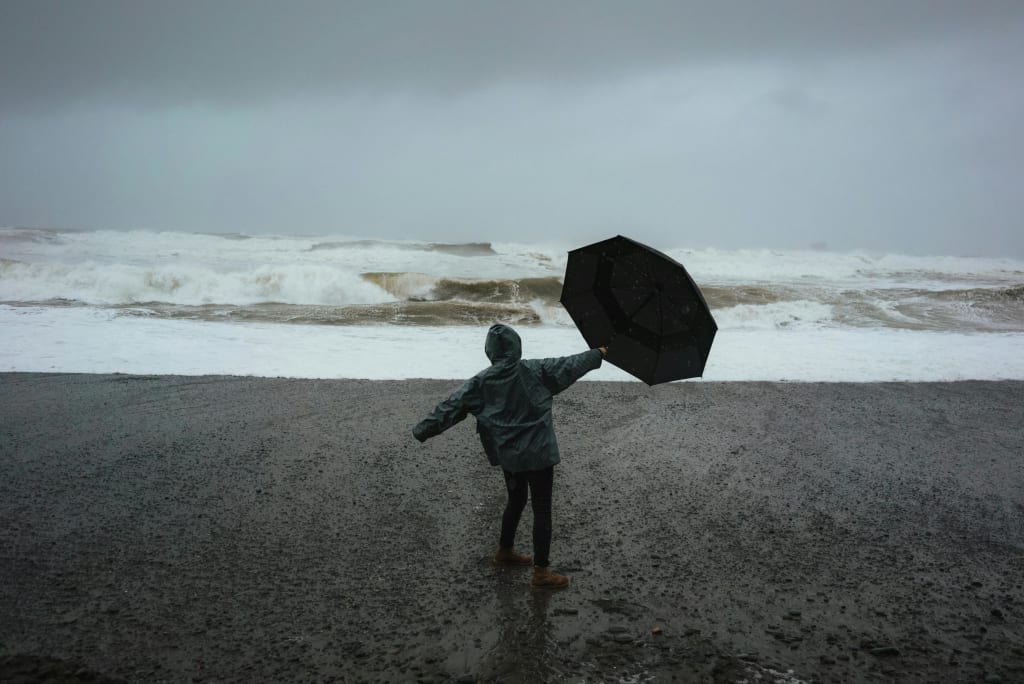
Climate change is not just a distant threat—it is already profoundly affecting our planet, with some of the most visible impacts occurring in our oceans. As temperatures rise and greenhouse gas emissions continue unabated, the oceans are facing unprecedented challenges that threaten marine life, coastal communities, and global ecosystems. In this article, we explore the profound impact of climate change on our oceans and discuss actionable steps individuals can take to contribute to ocean conservation and mitigation efforts.
1. Rising Sea Levels and Coastal Erosion
One of the most visible consequences of climate change on our oceans is rising sea levels. As global temperatures increase, glaciers and polar ice caps melt, causing seawater to expand and inundate coastal areas. Low-lying coastal communities are particularly vulnerable to flooding and erosion, displacing millions of people and threatening their livelihoods.
What you can do: Support initiatives that advocate for coastal protection and adaptation measures. Reduce your carbon footprint by using energy-efficient appliances, minimizing car use, and supporting renewable energy sources like solar and wind power.
2. Ocean Acidification
Ocean acidification is a direct consequence of increased carbon dioxide (CO2) levels in the atmosphere. As the oceans absorb excess CO2, chemical reactions occur that lower the pH of seawater. This acidification poses a severe threat to marine life, especially organisms with calcium carbonate shells and skeletons, such as corals, mollusks, and plankton.
What you can do: Reduce your carbon footprint by choosing sustainable transportation options and advocating for policies that limit CO2 emissions. Support research and initiatives aimed at monitoring and mitigating ocean acidification, and educate others about its impact on marine ecosystems.
3. Coral Bleaching and Marine Biodiversity Loss
Rising sea temperatures due to climate change have led to increased instances of coral bleaching. Coral reefs, often referred to as the "rainforests of the sea," are crucial marine ecosystems that support biodiversity and provide essential services to coastal communities. When corals bleach, they expel the algae living in their tissues, leading to widespread coral mortality and habitat loss for countless marine species.
What you can do: Practice responsible tourism when visiting coral reefs by choosing eco-friendly operators and avoiding activities that harm marine life. Support coral reef restoration projects and advocate for marine protected areas that safeguard vulnerable ecosystems.
4. Disruption of Marine Food Webs
Climate change affects ocean temperatures and currents, disrupting marine food webs and altering the distribution and abundance of fish and other marine species. This can have cascading effects on global fisheries, coastal economies, and food security for millions of people who depend on seafood as a primary protein source.
What you can do: Choose sustainably sourced seafood certified by organizations like the Marine Stewardship Council (MSC) or avoid seafood altogether to reduce pressure on overexploited fish stocks. Support sustainable fishing practices and advocate for policies that promote ecosystem-based management of marine resources
5. Plastic Pollution and Marine Debris
While not directly caused by climate change, plastic pollution exacerbates its impacts on marine ecosystems. Millions of tons of plastic waste enter the oceans each year, posing serious threats to marine life through ingestion, entanglement, and chemical contamination. Plastic pollution harms species ranging from seabirds and turtles to fish and whales, and it degrades slowly, persisting in the environment for decades.
What you can do: Reduce your plastic consumption by using reusable bags, bottles, and containers. Participate in beach cleanups and support initiatives that promote recycling and plastic waste reduction. Advocate for policies that ban single-use plastics and promote circular economy solutions.
6. Supporting Marine Conservation Initiatives
Numerous organizations and initiatives are working tirelessly to protect and restore marine ecosystems in the face of climate change. Supporting these efforts through donations, volunteer work, or advocacy can make a significant difference in preserving our oceans for future generations.
What you can do: Research and donate to reputable marine conservation organizations focused on climate resilience, habitat restoration, and sustainable fisheries management. Participate in citizen science projects that monitor marine biodiversity and contribute data to conservation efforts.
7. Educating and Advocating for Change
Education and advocacy are powerful tools in the fight against climate change and its impacts on our oceans. By raising awareness, fostering understanding, and advocating for evidence-based policies, individuals can influence decision-makers and promote collective action on a global scale.
What you can do: Stay informed about climate change and its effects on oceans through reputable sources of information. Share knowledge with your community, engage in discussions about climate action, and support policies that prioritize environmental sustainability and conservation. Vote for candidates who prioritize climate action and advocate for policies that reduce greenhouse gas emissions and promote resilience in marine ecosystems.
Conclusion
The impact of climate change on our oceans is profound and multifaceted, threatening marine life, coastal communities, and global ecosystems. However, through collective action and individual choices, we can make a positive difference in mitigating these impacts and preserving our oceans for future generations. By reducing our carbon footprint, supporting marine conservation initiatives, advocating for sustainable practices, and promoting environmental education, we can contribute to a healthier and more resilient ocean environment. Together, we have the power to protect and restore our oceans, ensuring their vitality and biodiversity for years to come.
About the Creator
Robert
Unveiling the illusions obscuring my view, I write to reveal deeper truths. Let my stream of ideas illuminate both my journey and yours, sparking understanding and connection.
SUBSCRIBE for more interesting and unique stories 🌺🌻💐🍂🤺
Nuclear Transmutation: The Accidental Dream of Making Gold
Picture a laboratory humming with quiet intensity, banks of instruments blinking in the low light, and somewhere inside a shielded reactor chamber, something almost magical is happening. An element is changing. One thing is becoming another. What was mercury is now, atom by atom, becoming gold.
By CurlsAndCommas6 days ago in Earth


Comments
There are no comments for this story
Be the first to respond and start the conversation.