
The impact of climate change on human health
Climate change is making heat waves

The Emotional Toll of Climate Change on Human Health
Climate change is not just an environmental problem. It is also a major public health crisis. The effects of climate change on human health are already being felt around the world, and they are only going to get worse in the years to come.
One of the most immediate impacts of climate change on human health is heat stress. Heat waves are becoming more frequent and more severe, and they can be deadly. In 2003, a heat wave in Europe killed over 70,000 people. And in 2010, a heat wave in Russia killed over 55,000 people.
Heat stress can also lead to respiratory problems. As the air temperature rises, the air becomes more stagnant and polluted. This can make it difficult to breathe, and it can worsen existing respiratory conditions such as asthma and COPD.
Climate change is also making it more likely for people to get sick from vector-borne diseases such as malaria, dengue fever, and Zika. These diseases are transmitted by mosquitoes and ticks, and they thrive in warm, humid climates. As the climate warms, the range of these diseases is expanding, and they are becoming more common in new areas.
In addition to these physical health problems, climate change is also taking a toll on mental health. People who are exposed to the effects of climate change, such as heat waves, flooding, and wildfires, are more likely to experience anxiety, depression, and post-traumatic stress disorder.
The emotional toll of climate change is often overlooked, but it is just as real as the physical toll. People who are worried about the future of the planet are more likely to feel anxious and stressed. They may also feel helpless and hopeless. This can lead to a number of mental health problems, including anxiety, depression, and post-traumatic stress disorder.
The impact of climate change on human health is a serious problem that needs to be addressed. We need to take action to reduce greenhouse gas emissions and mitigate the effects of climate change. We also need to support people who are affected by the health impacts of climate change.
We can all do our part to help. We can reduce our carbon footprint by making changes to our lifestyles, such as driving less, using less energy, and eating less meat. We can also support organizations that are working to address climate change.
The future of the planet depends on us. We need to take action now to protect our health and the health of the planet.
Here are some personal stories that illustrate the emotional toll of climate change on human health:
Lillian is a 70-year-old woman who lives in a small town in the Midwest. She has asthma, and she has been struggling to breathe since the climate started changing. The summers are now much hotter and more humid, and the air quality is poor. Lillian has to use her inhaler more often, and she has had to go to the hospital a few times for breathing problems. She is worried about the future, and she doesn't know how she is going to cope with the changing climate.
Miguel is a 35-year-old man who lives in a coastal city in Florida. He has always loved the beach, but he is now afraid to go swimming because of the risk of Zika. Zika is a mosquito-borne disease that can cause birth defects in babies. Miguel has a young daughter, and he is worried about her getting sick. He is also worried about the future of his city, which is at risk of flooding due to sea level rise.
Aisha is a 20-year-old woman who lives in a small village in Africa. She has seen her village devastated by climate change. In recent years, there have been more frequent and severe droughts, which have destroyed crops and forced people to leave their homes. Aisha's family has been displaced, and she has had to move to a new village. She is worried about the future of her community, and she doesn't know how they are going to survive.
About the Creator
Keep reading
More stories from Paul Emmanuel Maduka and writers in Earth and other communities.
The Frustration of Being Benched
Wander Franco is one of the most exciting young players in baseball. He is a five-tool prospect with the potential to be a superstar. But even the best players make mistakes. And in June 2023, Franco made a mistake that cost him two games.
By Paul Emmanuel Maduka3 years ago in Interview
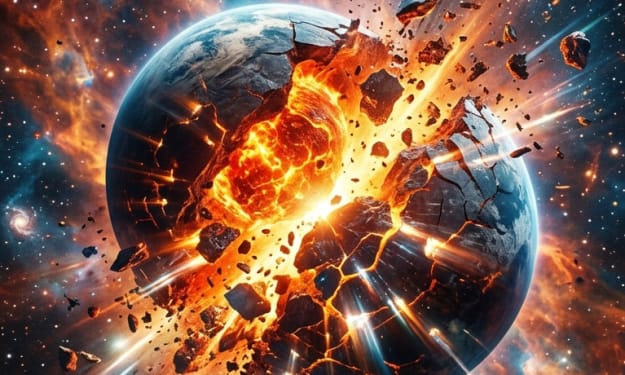
Astronomers Capture Rare Evidence of Two Planets Colliding
Astronomers have gathered rare and compelling evidence suggesting that two planets collided in a distant star system, producing a dramatic cosmic event that has fascinated scientists around the world. Planetary collisions are believed to have played a major role in shaping many solar systems, including our own, but witnessing the aftermath of such a violent event is extremely rare. The new discovery offers valuable clues about how planets grow, change, and sometimes destroy each other during the chaotic early stages of planetary formation.
By Irshad Abbasi 4 days ago in Earth
A Transparent Look at Vocal Challenges and Top Stories
Almost three years ago, we shared a resource article that served as a place for people to suggest new challenge prompts. We thought it would be a good idea to refresh that thread, and take the opportunity to answer a few common questions about top stories, how challenges are judged and how submissions are reviewed.
By Vocal Curation Team3 days ago in Resources



Comments
There are no comments for this story
Be the first to respond and start the conversation.