
The Hoba Meteorite: Earth’s Largest Natural Chunk of Iron
Natural Resources

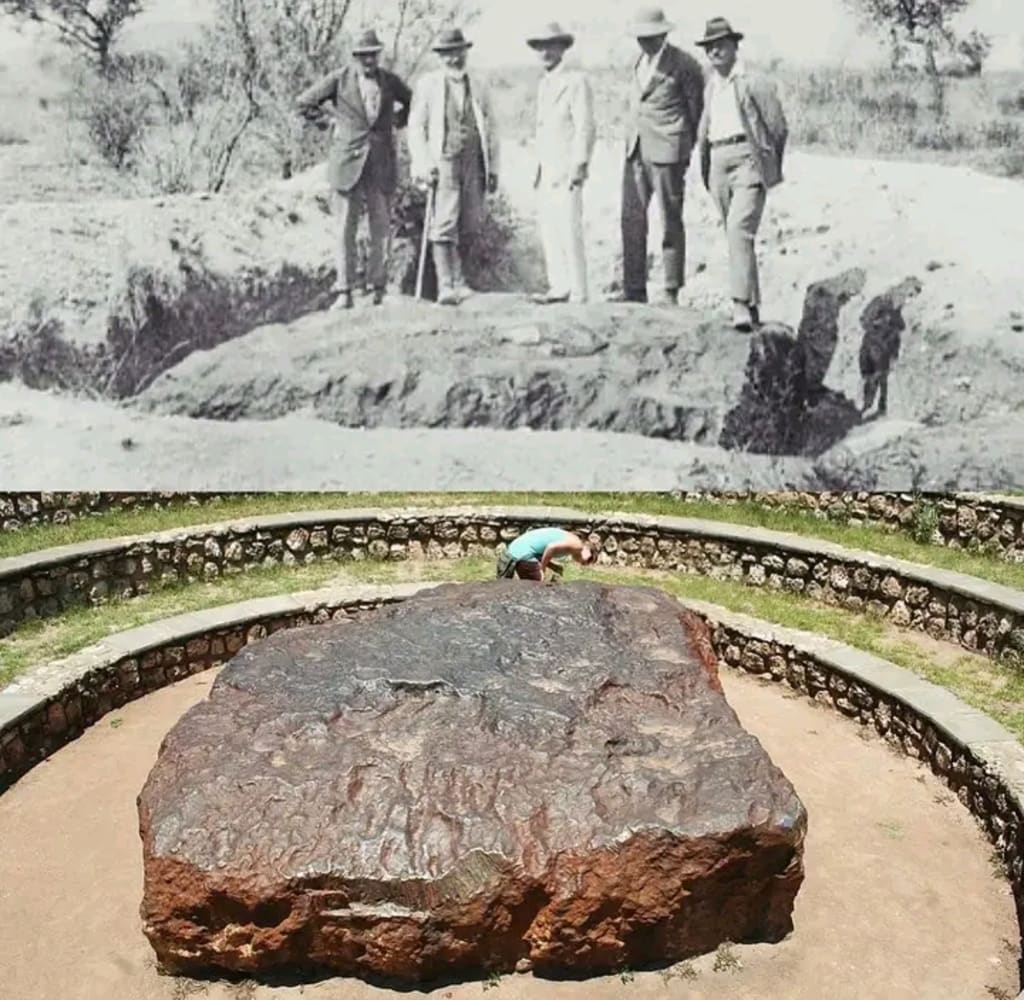
In the heart of Namibia, nestled in the Grootfontein region, lies a mysterious marvel that has captivated scientists and visitors alike for decades. The Hoba meteorite, Earth’s largest known meteorite and the largest natural iron object on the planet, is a fascinating piece of cosmic history. Discovered accidentally by a farmer in 1920, this 60-ton behemoth has been the subject of scientific study and local lore. With an estimated age of around 80,000 years, the meteorite’s immense size, unique composition, and curious lack of an impact crater make it one of the most intriguing natural wonders on Earth.
The Accidental Discovery
The story of the Hoba meteorite begins in 1920 when a Namibian farmer named Jacobus Hermanus Brits was plowing his field. While working the land, his plow struck an unusual and incredibly solid object. Upon further inspection, Brits realized he had stumbled upon something extraordinary. What he had discovered was not a simple rock or boulder but a colossal slab of iron, deeply embedded in the earth. Initial examinations by experts revealed that this was no ordinary find—it was, in fact, a meteorite, a relic of the universe that had fallen to Earth thousands of years ago.
The Hoba meteorite derives its name from the farm on which it was discovered, “Hoba West,” and its sheer size and weight immediately made it a subject of immense interest. The meteorite weighs around 60 tons, and its flat, slab-like shape measures approximately 2.7 meters (9 feet) in length, 2.7 meters in width, and about 1 meter (3 feet) in thickness. Made primarily of iron (about 84%) with traces of nickel (16%), the Hoba meteorite is classified as an ataxite, a type of iron meteorite with a high nickel content.
A Cosmic Visitor
The Hoba meteorite is believed to have fallen to Earth approximately 80,000 years ago during the late Pleistocene epoch. However, what sets this meteorite apart from most other known meteorites is its remarkable lack of an impact crater. Given its massive size and weight, one would expect the meteorite to have created a significant crater upon impact. Yet, there is no evidence of such a crater at the site where it was found, leaving scientists puzzled for decades.
One of the most widely accepted theories is that the meteorite’s flat, pancake-like shape played a crucial role in its gentle landing. Researchers believe that the Hoba meteorite entered Earth’s atmosphere at a relatively low speed and at a shallow angle, which caused it to slow down considerably before reaching the ground. Instead of hitting the Earth with the force typical of most meteorites, it is thought to have "skidded" along the atmosphere and eventually came to rest without the violent impact that would usually result in a crater. This unique landing scenario has made Hoba an outlier among meteorites.
Composition and Characteristics
The Hoba meteorite is not only significant because of its size but also because of its unique composition. As an ataxite, it is composed primarily of iron and nickel, making it a valuable specimen for scientists studying both the formation of meteorites and the processes that occur in the early solar system. The high nickel content in the meteorite is of particular interest because it suggests that the meteorite originated from the core of a planetesimal, an early protoplanet or asteroid that formed in the early solar system before being destroyed by a collision or other cosmic event.
In addition to its iron and nickel content, the Hoba meteorite also contains small amounts of cobalt, phosphorus, and traces of other rare elements. The meteorite’s surface has been weathered over thousands of years, giving it a rough, oxidized appearance, but the interior of the meteorite remains relatively well-preserved.
Scientific and Cultural Significance
Since its discovery, the Hoba meteorite has become a subject of great scientific and cultural importance. Researchers have studied the meteorite to better understand its origin, its journey through space, and its unusual impact with Earth. The meteorite provides valuable insights into the composition of planetesimals and the conditions that existed in the early solar system.
In addition to its scientific significance, the Hoba meteorite has become a popular tourist attraction in Namibia. The site where the meteorite was found has been preserved, and a simple, open-air monument has been constructed around it to allow visitors to marvel at this massive chunk of cosmic iron. The meteorite remains in the exact spot where it was discovered, and visitors can walk around it, touch it, and learn about its history through informational plaques at the site.
The Namibian government has designated the Hoba meteorite as a national monument, ensuring its protection for future generations. Despite its remote location, the meteorite attracts visitors from around the world who come to see this remarkable relic of the cosmos.
The Enduring Mystery
Despite decades of study, the Hoba meteorite continues to hold many mysteries. While scientists have learned much about its composition and origin, the exact details of its fall to Earth and its unusual impact are still subjects of debate. The meteorite’s gentle landing and lack of a crater defy the typical patterns observed in other meteorite impacts, leading researchers to continue investigating its unique characteristics.
In the world of meteorites, the Hoba stands as a giant—both in terms of size and scientific importance. Its discovery by chance in the Namibian countryside has provided the world with an extraordinary glimpse into the universe and a reminder of the cosmic forces that have shaped our planet throughout its history.
Conclusion
The Hoba meteorite is more than just a massive slab of iron; it is a window into the past, a piece of cosmic history that fell to Earth thousands of years ago. Its enormous size, unique composition, and mysterious lack of an impact crater make it one of the most fascinating meteorites ever discovered. As scientists continue to study this ancient object, the Hoba meteorite remains a symbol of the awe-inspiring forces at work in our universe, a reminder that our planet is part of a much larger, dynamic cosmic story.
About the Creator
Keep reading
More stories from Deji Akomolafe and writers in Earth and other communities.
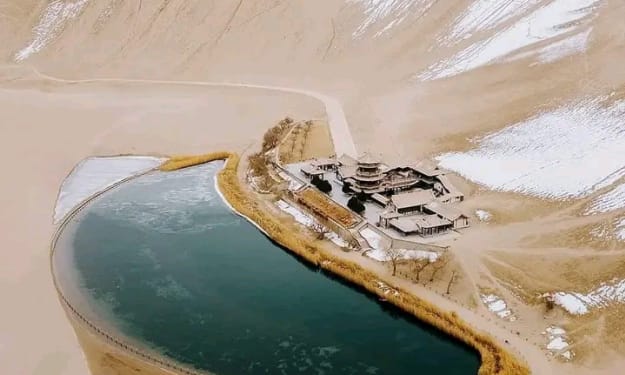
Crescent Moon Lake: A Timeless Oasis in the Sands of the Gobi Desert
Crescent Moon Lake: A Timeless Oasis in the Sands of the Gobi Desert Nestled at the foot of the towering Mingsha Mountains in China’s Gobi Desert lies a breathtaking natural wonder that has captured the imagination of travelers for centuries—Crescent Moon Lake (月牙泉). This serene, crescent-shaped oasis, known for its crystal-clear waters and its contrasting backdrop of golden sand dunes, has served as a lifeline for Silk Road travelers and remains a symbol of nature’s resilience in the face of the harsh desert environment.
By Deji Akomolafeabout a year ago in Earth
Japan Furniture Market Size and Forecast 2025–2033
Introduction Japan’s furniture industry stands at a unique intersection of tradition and innovation. Renowned worldwide for its craftsmanship, minimalist design, and functional aesthetics, Japanese furniture reflects the nation’s cultural emphasis on harmony, efficiency, and simplicity. Today, as Japan’s population becomes increasingly urban, digitally connected, and environmentally conscious, the furniture market is undergoing a quiet but significant transformation.
By Janine Root 3 days ago in Earth
Malted Wheat Flour Market Size and Forecast 2025
Malted Wheat Flour Market Overview Malted wheat flour is produced by germinating wheat grains, drying them, and grinding them into flour. This natural malting process activates enzymes—particularly amylase—that convert starch into fermentable sugars during baking. The result is improved dough fermentation, enhanced texture, increased loaf volume, and a richer, more consistent flavor profile in baked goods.
By Aaina Oberoi2 days ago in Earth


Comments
There are no comments for this story
Be the first to respond and start the conversation.