
Crescent Moon Lake: A Timeless Oasis in the Sands of the Gobi Desert
Amazing Nature

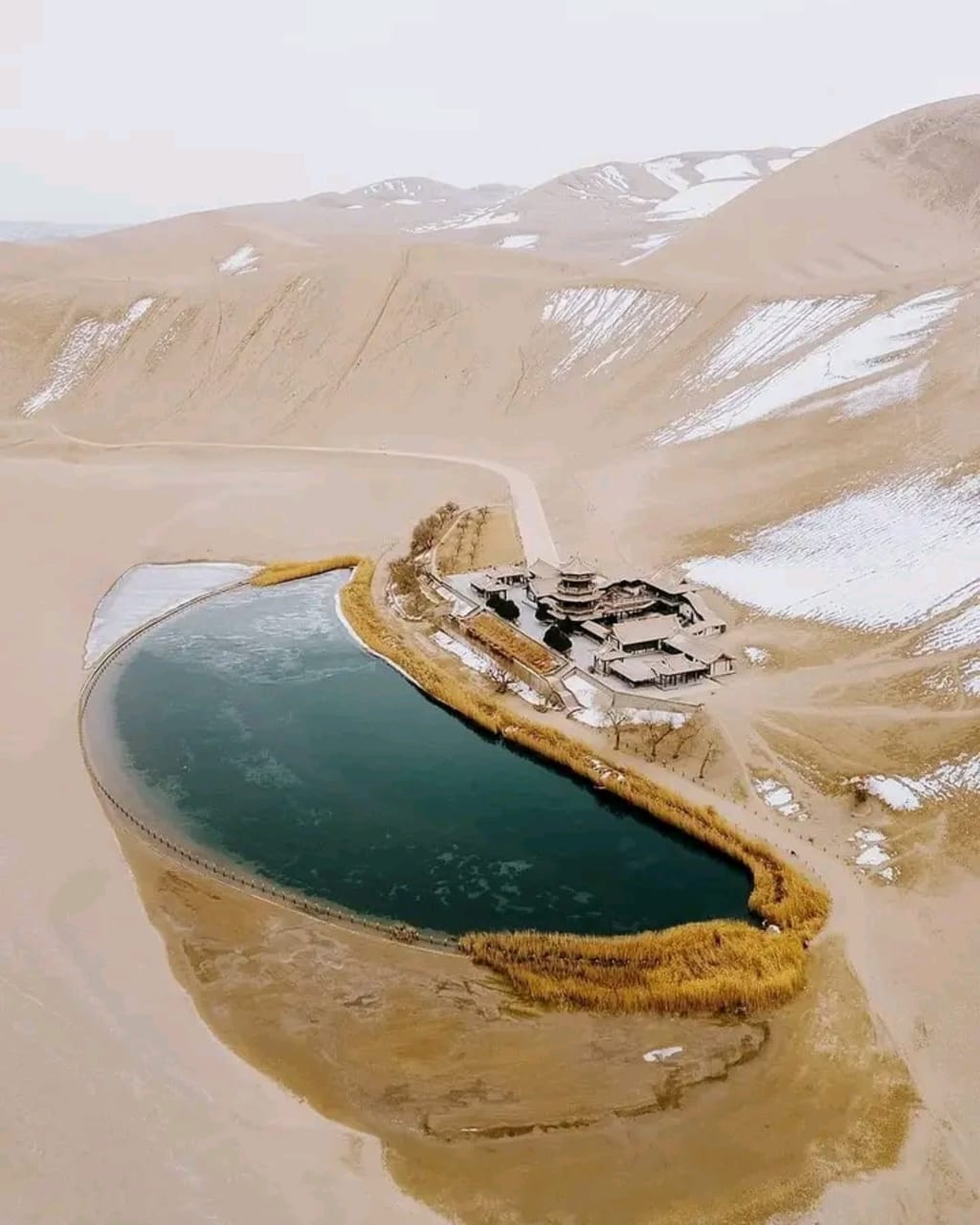
Crescent Moon Lake: A Timeless Oasis in the Sands of the Gobi Desert
Nestled at the foot of the towering Mingsha Mountains in China’s Gobi Desert lies a breathtaking natural wonder that has captured the imagination of travelers for centuries—Crescent Moon Lake (月牙泉). This serene, crescent-shaped oasis, known for its crystal-clear waters and its contrasting backdrop of golden sand dunes, has served as a lifeline for Silk Road travelers and remains a symbol of nature’s resilience in the face of the harsh desert environment.
Crescent Moon Lake, located approximately 6 kilometers south of Dunhuang in the Gansu Province, is not only a stunning natural landmark but also an enduring testament to the resourcefulness of ancient civilizations. For over 2,000 years, this oasis has been a vital stop along the ancient Silk Road, offering weary travelers and traders a much-needed respite from the relentless heat and arid conditions of the desert. Even today, Crescent Moon Lake stands as a living piece of history, as well as an ecological marvel that continues to defy the odds.
A Natural Wonder Amidst the Desert
One of the most striking features of Crescent Moon Lake is its unique crescent shape, which gives the oasis its name. The lake’s waters appear as a shimmering jewel against the backdrop of the sweeping sand dunes of the Mingsha Mountains, also known as the “Singing Sand Dunes” due to the melodic sound produced when the wind passes through them. The lake’s vivid contrast with the desert surroundings has earned it a reputation as one of China’s most beautiful and captivating landscapes.
What makes Crescent Moon Lake even more remarkable is its ability to maintain its shape and water levels for centuries, despite being located in one of the driest regions of the world. The oasis is fed by underground springs, which replenish the lake’s waters and keep it from drying out, even as the surrounding desert seems to encroach on it. This delicate balance between the lake and the desert has fascinated geologists and environmentalists alike, as Crescent Moon Lake continues to survive in a region where water is scarce and the climate unforgiving.
A Crucial Stop Along the Silk Road
During the height of the Silk Road trade, Crescent Moon Lake played a vital role in the lives of those who traveled between China and the West. For merchants and explorers journeying across the vast and desolate Gobi Desert, this oasis was a crucial stop where they could rest, replenish their water supplies, and prepare for the next leg of their journey. Its location near Dunhuang, an important hub on the Silk Road, made it a key waypoint for traders carrying goods such as silk, spices, and precious metals.
The importance of Crescent Moon Lake to Silk Road travelers was not just practical but spiritual as well. In ancient Chinese culture, water was considered a symbol of life and prosperity, and an oasis like Crescent Moon Lake represented hope in an otherwise inhospitable landscape. The lake’s enduring presence in the middle of the desert would have felt like a miracle to many travelers, and it became a symbol of endurance, survival, and the interplay between nature and humanity.
The Mingsha Mountains: A Mystical Setting
The Mingsha Mountains, which frame Crescent Moon Lake, are not only known for their awe-inspiring size and beauty but also for their unique “singing” quality. When the wind moves across the dunes, it produces a resonant hum or roar, a phenomenon that has fascinated both locals and visitors for centuries. This sound, which can range from a gentle whistle to a deep, thunderous rumble, adds a mystical element to the landscape, as if the desert itself were alive with the sounds of the earth.
For centuries, the Mingsha Mountains and Crescent Moon Lake have been central to the folklore and mythology of the region. Ancient tales speak of how the dunes came to sing and how the oasis has remained a constant source of life in an otherwise barren land. Even today, visitors to Crescent Moon Lake often feel a deep sense of connection to the ancient past, as they walk among the dunes and reflect on the thousands of travelers who have passed through this very spot.
A Modern-Day Destination
Today, Crescent Moon Lake remains a popular tourist destination, drawing visitors from all over the world who are eager to witness the beauty and tranquility of this ancient oasis. The nearby city of Dunhuang, with its rich cultural history and famous Mogao Caves, adds to the allure of the region, making it a must-visit location for those interested in the history of the Silk Road and the natural wonders of China.
Despite its popularity, Crescent Moon Lake faces the ongoing challenge of preserving its delicate ecosystem in the face of encroaching desertification and human activity. Conservation efforts have been implemented to protect the lake and ensure that it continues to thrive for generations to come. This includes maintaining the balance of underground water sources and managing tourism to prevent damage to the surrounding dunes and environment.
Conclusion
Crescent Moon Lake stands as a symbol of nature’s resilience and beauty, offering a peaceful oasis in the heart of the Gobi Desert. Its enduring presence as a stop on the Silk Road, combined with the mystical allure of the Mingsha Mountains, makes it a destination that continues to inspire wonder and admiration. As a natural wonder that has survived for millennia, Crescent Moon Lake is not only a testament to the power of the natural world but also a reminder of the enduring connection between humanity and the environment.
About the Creator
Keep reading
More stories from Deji Akomolafe and writers in Earth and other communities.
Thailand’s Three Whale Rock Formation
Exploring Hin Sam Wan: Thailand’s Three Whale Rock Formation Hidden within the lush mountains of Thailand, there exists a natural marvel that has captured the imaginations of tourists and locals alike: Hin Sam Wan, also known as Three Whale Rock. This stunning rock formation, estimated to be over 75 million years old, has become a popular destination for nature lovers, photographers, and adventurers. Its unique structure and the breathtaking views it offers make it a must-see for anyone traveling through northern Thailand.
By Deji Akomolafeabout a year ago in Earth
Heavy Snow Warning: When Winter Turns Dangerous Overnight
A quiet winter evening can quickly turn into something far more serious. The sky grows darker, the wind sharpens, and snow begins falling faster than anyone expected. What starts as a peaceful snowfall can suddenly lead to closed roads, power outages, and difficult travel conditions. This is when a heavy snow warning becomes more than just a weather alert. It becomes a signal that daily life may soon slow down or even stop. For many communities, these warnings bring both beauty and concern. Snow can cover the world in silence, but it can also create dangerous conditions if people are not prepared. Understanding what a heavy snow warning means and how it affects daily life can help individuals and families stay safe when winter becomes unpredictable.
By Muqadas khan7 days ago in Earth


Comments
There are no comments for this story
Be the first to respond and start the conversation.