
The Hidden World of Freshwater Snail Eggs: Nature's Tiny Marvels
Closer Look at the Fascinating Development and Diversity of Snail Eggs

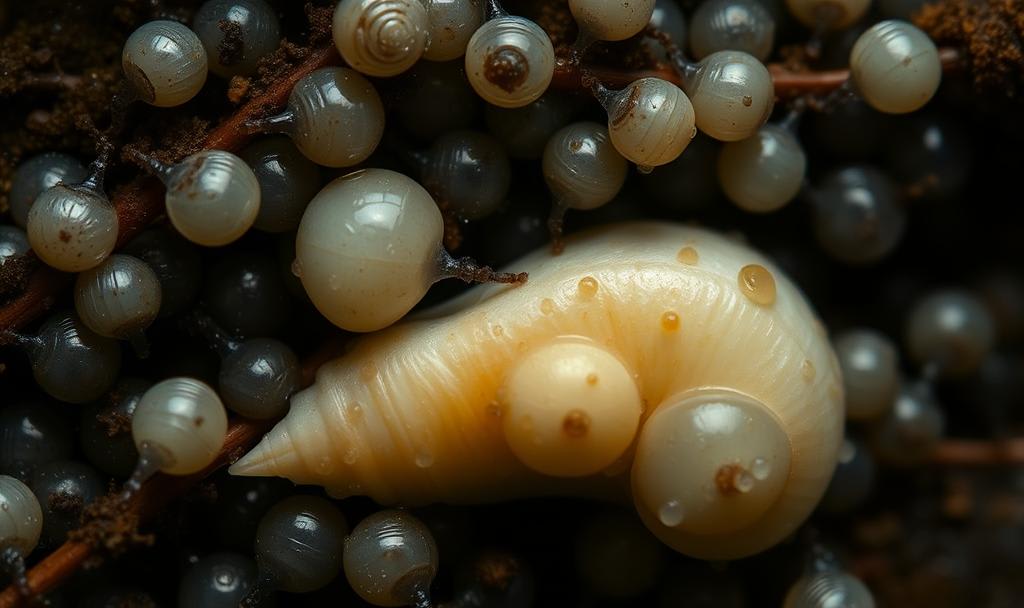
Freshwater snails eggs are fascinating creatures that play a crucial role in aquatic ecosystems. Among their many remarkable features, the reproductive process of these snails, particularly the laying and incubation of their eggs, showcases the intricacies of nature. Freshwater snail eggs are not just simple reproductive structures; they are tiny marvels that exhibit a range of characteristics and adaptations designed to ensure the survival of the next generation.
Characteristics of Freshwater Snail Eggs
Freshwater snail eggs are typically small, gelatinous capsules that contain multiple embryos. Their size can vary significantly depending on the species, with some eggs being barely visible to the naked eye while others may measure a few millimeters in diameter. The eggs often exhibit a translucent or slightly opaque appearance, allowing observers to glimpse the developing embryos within. This translucency is an essential feature, as it provides insights into the health and viability of the eggs during incubation.
The texture of snail eggs is predominantly gelatinous, which serves multiple purposes. This jelly-like coating protects the embryos from physical damage and desiccation while providing a moist environment necessary for development. The gelatinous substance also acts as a shield against environmental stresses such as extreme temperatures and predation. Some species have evolved further protective mechanisms, incorporating sand or debris into their egg masses to enhance camouflage against potential threats.
Color Variations and Patterns
The coloration of freshwater snail eggs can range from clear to white, pinkish, or even yellowish hues. The specific color often depends on the species and environmental conditions at the time of laying. For example, some snails may lay their eggs in clusters on vegetation near water bodies, with colors blending into their surroundings for added protection against predators.

Certain species exhibit intricate patterns on their egg capsules, adding aesthetic appeal to these tiny structures. These patterns may serve as additional camouflage or could play a role in species recognition among snails. The diversity in appearance among different species highlights the adaptability and evolutionary strategies that snails employ to ensure reproductive success.
Reproductive Strategies
The reproductive strategies of freshwater snails are varied and complex. Most freshwater snail species are separately sexed, meaning males and females engage in direct copulation. After mating, females lay their eggs on firm substrates such as rocks, logs, or aquatic vegetation in shallow waters. Depending on the species, a single clutch can contain anywhere from two to over 300 eggs.
Some freshwater snails exhibit unique reproductive adaptations. For instance, certain operculate species give birth to live young rather than laying eggs. In these cases, embryos develop inside the female's body until they are fully formed and ready to emerge as juvenile snails. This strategy can provide added protection for the young snails during their most vulnerable stages.
Other species possess both male and female reproductive systems, allowing them to lay eggs without needing a mate. These hermaphroditic snails can produce eggs continuously throughout favorable conditions, contributing to rapid population growth when resources are abundant.
Incubation Conditions
Freshwater snail eggs require specific environmental conditions for successful incubation. Moisture is crucial; the substrate must remain consistently moist without being submerged in water. Excessive moisture can lead to suffocation or fungal issues that threaten embryo development. Maintaining proper humidity levels is essential for keeping the egg masses healthy throughout incubation.
Temperature also plays a significant role in the hatching process. Warmer water temperatures generally accelerate embryo development and shorten incubation periods. Depending on species and environmental factors, hatching can occur within one to five weeks after laying. Observing subtle movements or vibrations within the egg mass can indicate that embryos are preparing to hatch.
Viability Assessment
Determining the viability of freshwater snail eggs is essential for those involved in breeding or studying these creatures. Several indicators can help assess whether the eggs are developing successfully:
- Signs of Development: Examining the eggs for tiny embryos can provide insights into their viability. Visible embryos suggest that development is progressing.
- Firmness and Intactness: Gently touching the eggs can reveal their structural integrity; viable eggs should feel firm and intact.
- Movement: Observing any movement within the egg mass indicates active development and imminent hatching.
Monitoring these factors allows enthusiasts and researchers alike to gauge the health of freshwater snail populations effectively.
Ecological Importance
Freshwater snail eggs play a vital role in aquatic ecosystems beyond their immediate contribution to population dynamics. As primary consumers, adult snails feed on algae and decaying plant matter, helping maintain water quality and nutrient cycling within their habitats. The presence of healthy snail populations indicates a balanced ecosystem.
The Fascinating World of Apple Snail Eggs: Identification and Care
Moreover, freshwater snail eggs serve as a food source for various aquatic organisms, including fish and crustaceans. The delicate balance between predator and prey relationships underscores the importance of these tiny marvels in sustaining biodiversity within freshwater environments.
Conservation Considerations
Despite their ecological significance, many freshwater snail species face threats from habitat destruction, pollution, and climate change. Conservation efforts aimed at protecting these habitats also benefit freshwater snails by preserving their breeding grounds and ensuring healthy populations.
Understanding the life cycle of freshwater snails—from egg to adult—can inform conservation strategies aimed at maintaining biodiversity in aquatic ecosystems. Protecting water quality and habitat integrity is crucial for ensuring that these tiny marvels continue to thrive in their natural environments.
Final Words
The world of freshwater snail eggs is indeed a hidden marvel filled with complexity and beauty. From their diverse characteristics and reproductive strategies to their ecological importance, these tiny structures exemplify nature's ingenuity in ensuring survival through adaptation and resilience. As we continue to explore and understand these fascinating creatures, it becomes increasingly clear that preserving their habitats is essential for maintaining healthy aquatic ecosystems worldwide.
About the Creator
Arjun
Aquarium hobbyist sharing simple, real-world fixes for snail, shrimp, and plant problems. Clear guides, no fluff just practical tips to keep your tank healthy and thriving.
Nuclear Transmutation: The Accidental Dream of Making Gold
Picture a laboratory humming with quiet intensity, banks of instruments blinking in the low light, and somewhere inside a shielded reactor chamber, something almost magical is happening. An element is changing. One thing is becoming another. What was mercury is now, atom by atom, becoming gold.
By CurlsAndCommas5 days ago in Earth


Comments
There are no comments for this story
Be the first to respond and start the conversation.