
The Fascinating Life Cycle of Ramshorn Snail Eggs
The Intriguing World of Ramshorn Snail Eggs: Care and Reproduction

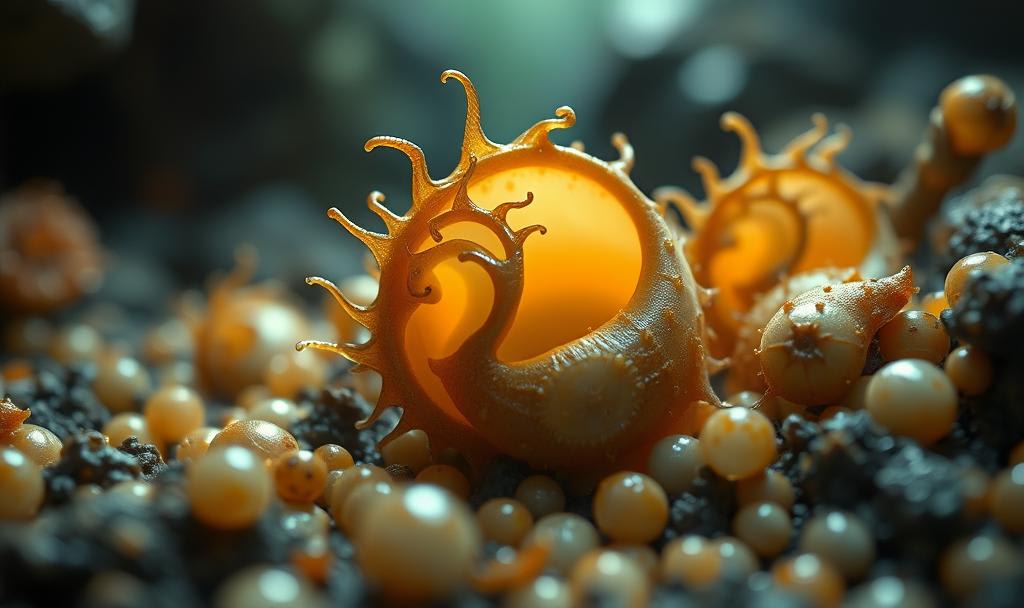
Ramshorn snails Eggs, belonging to the family Planorbidae, are popular among aquarium enthusiasts for their unique appearance and beneficial role in maintaining tank cleanliness. One of the most intriguing aspects of these snails is their reproductive habits, particularly the characteristics and development of their eggs. Understanding the life cycle of Ramshorn snail eggs provides insight into both their ecological importance and the challenges they can pose in home aquariums.
Characteristics of Ramshorn Snail Eggs
Ramshorn snail eggs are typically found in clusters that can be easily identified by aquarists. These egg masses are usually transparent or amber-colored, resembling small gelatinous globules. Each cluster can contain anywhere from ten to a dozen eggs, although this number may vary depending on the individual snail and environmental conditions. The eggs are often laid on flat surfaces such as aquarium glass, plants, or decorations, making them relatively easy to spot.
Appearance and Texture
The texture of Ramshorn snail eggs is gelatinous, providing a protective barrier against external threats such as predators and adverse environmental conditions. This jelly-like substance not only safeguards the developing embryos but also helps anchor the eggs to surfaces within the aquarium. As the embryos develop, they become visible through the translucent egg mass, appearing as tiny black dots within.
Coloration
The coloration of Ramshorn snail eggs can vary significantly based on several factors, including species and environmental conditions. While many eggs appear clear or white, some may take on a pinkish hue when the embryos are healthy and developing properly. Conversely, if the eggs begin to whiten or appear cloudy, it may indicate infertility or fungal infection.
Reproductive Behavior

Ramshorn snails are hermaphroditic, meaning that each individual possesses both male and female reproductive organs. This unique trait allows them to reproduce efficiently without needing a mate. Under optimal conditions—such as ample food supply and suitable water parameters—these snails can lay numerous egg clutches daily.
Breeding Frequency
The prolific nature of Ramshorn snails means that aquarists may find themselves with an overwhelming population if left unchecked. They can produce several litters within a short period, leading to rapid increases in their numbers. Control measures often involve managing food availability; overfeeding can significantly boost reproduction rates.
Hatching Process
The incubation period for Ramshorn snail eggs typically ranges from two to five weeks, influenced by water temperature and quality. Warmer temperatures generally accelerate development, while cooler conditions can prolong hatching times. Once hatched, the newly formed snails are mostly white and begin to develop their characteristic colors as they mature.
Development Stages
After hatching, baby Ramshorn snails start their lives as tiny versions of adults. They quickly begin to feed on algae and detritus within their environment, contributing positively to tank health by helping to control algae growth and organic waste accumulation. As they grow, they develop more pronounced colors and features typical of adult snails.
Environmental Considerations
Creating an ideal environment for breeding Ramshorn snails involves maintaining stable water parameters, including temperature, pH levels, and cleanliness. These factors play a crucial role in ensuring healthy egg development and successful hatching rates. Aquarists should monitor their tanks regularly for signs of overpopulation and manage food supplies accordingly to prevent excessive breeding.

Ideal Conditions for Breeding
- Temperature: Maintain a stable temperature between 22°C to 28°C (72°F to 82°F).
- pH Level: Keep pH levels between 6.5 and 7.5 for optimal health.
- Water Quality: Regular water changes help maintain cleanliness and reduce harmful substances.
- Food Supply: Provide a balanced diet consisting of algae wafers, blanched vegetables, and detritus.
Challenges with Overpopulation
While Ramshorn snails offer several benefits in an aquarium setting, their rapid reproduction can lead to overpopulation issues. In extreme cases, this can result in competition for resources among tank inhabitants or even lead to tank collapse due to excessive waste production. Therefore, aquarists must remain vigilant about monitoring snail populations and implementing control measures when necessary.
Control Measures
To manage Ramshorn snail populations effectively:
- Limit Feeding: Reduce food availability to slow down reproduction.
- Introduce Predators: Consider adding fish species that naturally prey on snails.
- Manual Removal: Regularly inspect the tank for excess snails and remove them manually if needed.
Final Words
The life cycle of Ramshorn snail eggs is a remarkable process that highlights both the resilience and adaptability of these creatures. Their ability to reproduce rapidly makes them fascinating yet potentially challenging inhabitants in freshwater aquariums.
By understanding their reproductive habits and taking proactive measures to manage their populations, aquarists can enjoy the benefits these snails bring while preventing any negative impacts on their aquatic ecosystems. With proper care and attention, Ramshorn snails can thrive alongside other aquatic life forms, contributing positively to the overall health of an aquarium environment.
FAQs About Ramshorn Snail Eggs
1. What do Ramshorn snail eggs look like?
They appear as transparent or amber gelatinous clusters.
2. How long does it take for eggs to hatch?
Hatching typically occurs in two to five weeks.
3. Are Ramshorn snails hermaphroditic?
Yes, they possess both male and female reproductive organs.
4. What do baby snails eat after hatching?
They primarily consume algae and detritus in the tank.
5. How can I control Ramshorn snail populations?
Limit feeding, introduce predators, or manually remove snails.
About the Creator
Arjun
Aquarium hobbyist sharing simple, real-world fixes for snail, shrimp, and plant problems. Clear guides, no fluff just practical tips to keep your tank healthy and thriving.
Britain and France Strike Suspected Islamic State Arms Dump in Syria
Britain and France have just carried out a joint airstrike in central Syria, targeting what they believe is an Islamic State (IS) arms dump. The operation took place near Palmyra in Homs province, a location known for its rugged terrain and historic significance. The airstrike highlights how Western nations are still actively working to prevent the resurgence of IS, even years after the group lost its territory. What Happened? The UK Ministry of Defence (MoD) confirmed that Royal Air Force jets, working together with French military aircraft, struck an underground facility thought to store weapons and explosives. Thankfully, officials say no civilians were in the area and all aircraft returned safely. According to British and French authorities, the facility included subterranean tunnels that could have been used to store weapons or plan attacks. By hitting this target, the coalition aims to stop IS from regaining strength in remote desert areas. Why It Matters Even though IS was territorially defeated in 2019, intelligence reports show that the group still maintains sleeper cells in Syria and Iraq. Remote areas like Palmyra provide cover for militants to regroup and possibly rebuild their operations. Analysts warn that the group’s ideology continues to attract followers, making targeted strikes like this essential for global security. This airstrike is part of a broader strategy by coalition forces to keep IS on the defensive. Last month, for example, the U.S. also launched strikes in Syria in response to attacks near Palmyra. The joint British-French strike shows that Western countries are working together to prevent IS from regaining a foothold. How the Strike Happened The air operation involved RAF Typhoon fighter jets using precision-guided bombs, supported by a refueling tanker in the air. French aircraft hit the same target simultaneously, showing a high level of military coordination between London and Paris. Officials stressed that the strike was carefully planned to avoid civilian casualties. By targeting the arms depot, the coalition hopes to disrupt IS operations and limit the group’s ability to organize attacks in Syria or beyond. Strong Partnership: UK and France Working Together This operation also highlights the strong military partnership between the UK and France. Both countries have been part of the international coalition against IS since 2014. Their cooperation shows a long-term commitment to fighting extremism in the Middle East and preventing threats to European security. UK Defence Secretary John Healey called the strike a clear message that Western allies are “standing shoulder to shoulder” against violent extremist ideologies. For both nations, this isn’t just about immediate security—it’s about long-term stability in the region. The Bigger Picture IS may have lost its so-called caliphate, but its ideology and network remain a threat. Remnants of the group continue to operate in deserts and caves across Syria and Iraq, making ongoing airstrikes and intelligence operations crucial. The recent UK-French airstrike is part of a series of coalition efforts to stop IS from rebuilding. While it’s too soon to know the full impact, experts believe targeted operations like this send a strong signal to extremists that coalition forces are still active and vigilant. What This Means for the Future For now, this operation shows that Western countries remain proactive in addressing threats like IS. Precision strikes, intelligence gathering, and international cooperation are all part of the strategy to prevent extremist groups from regaining momentum. While the fight against IS isn’t over, Britain and France have made it clear that they will continue to monitor and respond to threats wherever they appear. In a world where extremist groups can regroup quickly, vigilance remains the best defense. ✅ Takeaway: Even after years of defeat, IS still poses risks. Coordinated strikes like this remind us that international cooperation and intelligence-led operations are crucial to keeping these threats in check
By Muhammad Hassan8 days ago in Earth
greenland
Greenland The World’s Largest Island of Ice Nature and Mystery Greenland is one of the most fascinating places on Earth, known for its vast ice sheets, dramatic landscapes, and unique culture. It is the largest island in the world, located between the Arctic and Atlantic Oceans. Many people search for information about Greenland because of its extreme climate, political status, natural resources, and growing importance in global discussions about climate change.
By America today 7 days ago in Earth
A Failed Artist, A Disillusioned Poet, An Underpaid Game Show Host
I took my son and niece to Gori, a small town in Georgia where Joseph Stalin was born. They talked me into visiting the Stalin's Museum, the largest in the post-Soviet space. I had resisted going there because I just can't stand the monster and know enough about him, or so I thought.
By Lana V Lynx6 days ago in FYI


Comments
There are no comments for this story
Be the first to respond and start the conversation.