
Explore the Combustion Characteristics and Energy Efficiency of Biochar
A Key to Sustainable Energy Solutions


Biochar, a carbon-rich product derived from the pyrolysis of organic materials, has long been a subject of interest in environmental sciences due to its potential in carbon sequestration and soil enhancement. However, the focus has recently shifted toward its potential as a sustainable energy source, particularly its combustion properties and energy efficiency. As global energy demands rise and the need for renewable energy sources becomes ever more pressing, understanding the combustion characteristics of biochar is crucial for assessing its viability as a clean, renewable energy source.
What is Biochar and How is it Produced?
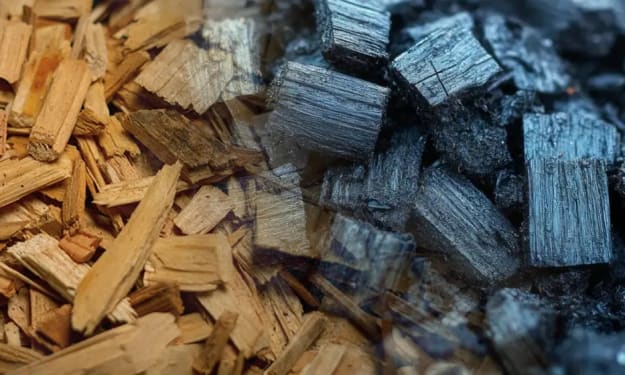
Biochar is created through the pyrolysis process, where organic biomass—ranging from agricultural residues to wood chips—is heated in the absence of oxygen. This process, often facilitated by a biochar pyrolysis machine, breaks down the biomass into a solid carbonaceous material that is highly porous and rich in nutrients. While biochar is widely recognized for its ability to improve soil health by retaining moisture and enhancing soil fertility, its combustion characteristics are increasingly being studied for its potential as an alternative energy source.
Combustion Characteristics of Biochar
When biochar undergoes combustion, it behaves differently compared to other carbon-based fuels like coal or wood. Key combustion characteristics of biochar include:
1. Higher Carbon Content
Biochar's carbon content is typically around 70-80%, which is significantly higher than that of untreated biomass. This high carbon content makes biochar a potential high-energy fuel source, as carbon is the primary element responsible for energy release during combustion.
2. Lower Volatile Matter
Unlike traditional wood or biomass, biochar contains fewer volatile compounds, which reduces the emission of pollutants like carbon monoxide (CO), volatile organic compounds (VOCs), and particulate matter. This makes biochar a cleaner burning fuel, contributing to better air quality when used for combustion.
3. High Calorific Value
The calorific value of biochar varies depending on the feedstock used in its production and the pyrolysis conditions. Generally, biochar has a higher calorific value than wood, making it a suitable candidate for energy production. The combustion of biochar is often more efficient than that of raw biomass due to its higher carbon content and lower moisture levels.
4. Slower Combustion Rate
Biochar tends to burn at a slower rate than traditional fuels. This can be an advantage in certain applications, such as in stoves or furnaces designed for longer, steady burns. The slower combustion also leads to reduced heat loss and a more efficient energy output.
Energy Efficiency of Biochar Combustion
Energy efficiency is a critical factor in determining the suitability of biochar for large-scale energy production. In comparison to conventional fossil fuels, biochar offers several advantages:
1. Sustained Energy Output
Due to its slow combustion rate, biochar can provide a more sustained energy output. This makes it an attractive fuel option for processes requiring long-term heat generation, such as industrial applications, power generation, or even residential heating systems.
2. Reduced Greenhouse Gas Emissions
Biochar combustion produces significantly lower levels of CO2 and other greenhouse gases than traditional fuels. This is because biochar, being a product of pyrolysis, sequesters carbon that would otherwise be released into the atmosphere if the biomass were left to decay. When combusted, the carbon in biochar is released more slowly and efficiently, making it a cleaner alternative to fossil fuels.
3. Synergy with Carbon Capture and Storage (CCS)
Biochar production is inherently aligned with carbon capture efforts. By using a biochar pyrolysis machine, not only is the carbon sequestered in the biochar, but the energy produced from its combustion can also be used in combination with carbon capture technologies, further enhancing its role in reducing atmospheric CO2 levels.
4. Improved Heat Efficiency in Industrial Processes
Industries that require high-temperature processes, such as cement production or steel manufacturing, can benefit from biochar’s high energy density and slow burn rate. The sustained heat generated by biochar combustion can help improve the efficiency of these energy-intensive operations while also reducing their carbon footprint.
Conclusion: Biochar as a Sustainable Energy Source
As we move toward a more sustainable energy future, biochar presents an exciting opportunity to harness the potential of waste biomass for cleaner, more efficient energy production. With its high carbon content, low volatile matter, and high calorific value, biochar is a promising alternative fuel that could reduce our reliance on fossil fuels while simultaneously helping to mitigate climate change. By investing in biochar pyrolysis machine and refining the production process, we can unlock the full energy potential of biochar and move one step closer to achieving a cleaner, greener world.
As research continues, biochar's role in energy production, carbon sequestration, and soil health will undoubtedly become more integral to global sustainability efforts. If we can optimize its combustion properties and enhance energy efficiency, biochar may soon become a cornerstone of the renewable energy landscape.
About the Creator
Bestonpyrolysis
Engaged in waste plastic/tyre/rubber recycling, oil sludge treatment, biomass recycling, sewage sludge management and paper recycling…
https://bestonpyrolysisplant.com/
Keep reading
More stories from Bestonpyrolysis and writers in Earth and other communities.
EBC Biochar Certification: What Biomass Feedstock Requirements Are There?
In the dynamic world of sustainable materials, biochar has emerged as a key player, especially in the context of carbon sequestration and soil improvement. The European Biochar Certificate (EBC) plays a pivotal role in ensuring that biochar products meet high - quality and sustainable standards. A crucial aspect of EBC certification lies in the requirements for biomass feedstock.
By Bestonpyrolysis5 months ago in Earth
Images Show Aftermath of Deadly Crash on Thai Railway Line
Some images stay with you long after you scroll past them. The photographs coming out of Thailand this week do exactly that. Twisted steel, overturned train carriages, scattered luggage, and exhausted rescue workers tell a devastating story — one that words alone cannot fully explain. A deadly crash on a Thai railway line has claimed multiple lives and left dozens injured, turning an ordinary journey into a nightmare. As images from the scene circulate globally, they reveal not just destruction, but grief, courage, and difficult questions about safety in one of Southeast Asia’s busiest rail networks. A Normal Journey That Ended in Disaster For the passengers on board, the day began like any other. People were heading to work, returning home, or traveling to see family. The train moved steadily along the tracks — until everything suddenly changed. According to officials, the crash occurred when heavy construction equipment collapsed onto an active railway line, striking a moving passenger train. The impact derailed multiple carriages, causing chaos inside the train as metal twisted and windows shattered. Within moments, smoke filled the air and cries for help echoed from inside the wreckage. For many passengers, there was no time to react. What the Images Reveal The aftermath photos are haunting. In some images, train carriages lie on their sides, crushed and burned. In others, rescue teams climb over debris, cutting through metal to reach trapped passengers. Personal belongings — backpacks, shoes, food containers — are scattered across the tracks, quiet reminders of lives abruptly interrupted. One particularly striking image shows emergency workers standing silently beside the wreckage, their faces reflecting exhaustion and sorrow. These visuals do more than document damage; they capture the emotional weight of the tragedy. Images like these remind us how fragile routine can be — how quickly normal life can turn into crisis. The Human Cost of the Crash Authorities confirmed that multiple people lost their lives, while dozens were injured, some critically. Hospitals in nearby areas were quickly overwhelmed as ambulances transported victims from the scene. Families rushed to medical centers, searching for loved ones. For many, the wait for information was agonizing. Phone calls went unanswered. Names were not immediately confirmed. In moments like these, uncertainty can be as painful as loss itself. Survivors have described scenes of panic, confusion, and shock. Some helped fellow passengers escape wrecked carriages. Others waited helplessly, trapped until rescuers could reach them. Rescue Efforts Under Pressure Emergency response teams acted quickly, working against time and unstable conditions. Firefighters, paramedics, and volunteers used cutting tools and heavy machinery to clear wreckage and pull survivors to safety. Despite the dangers, many rescuers worked for hours without rest. Some images show medics kneeling beside injured passengers on the ground, administering care before transport. Others show cranes lifting destroyed train cars away from the tracks. Their efforts likely saved lives — but the scale of the damage made the operation incredibly challenging. How Did This Happen? As the shock begins to settle, attention has turned to how such a catastrophic accident was allowed to occur. Early reports suggest the crash involved construction work taking place near or above an active railway line. This has raised serious concerns about oversight, safety planning, and coordination between construction teams and railway authorities. Questions being asked include: Why was heavy equipment operating so close to a moving passenger train? Were safety inspections properly conducted? Were warning systems or track closures considered? An official investigation is now underway, but for many families, answers will come too late. A Wake-Up Call for Railway Safety Thailand has invested heavily in rail infrastructure in recent years, aiming to modernize transport and improve connectivity. But this tragedy highlights the risks that come with rapid development when safety measures fail or are ignored. Experts warn that construction near live railway lines requires strict controls, constant monitoring, and zero tolerance for shortcuts. Even a single failure can lead to irreversible consequences — as this crash painfully demonstrates. Public trust in rail safety has been shaken, and restoring it will require transparency, accountability, and meaningful reform. Grief, Solidarity, and Remembrance In the days following the crash, communities across Thailand have expressed sorrow and support. Vigils have been held. Messages of condolence continue to pour in. Volunteers have donated blood and supplies to help victims and hospitals. The images from the scene have united people in grief — not just in Thailand, but around the world. They serve as a reminder that behind every headline are real people, real families, and real loss.
By Muhammad Hassan3 days ago in Earth
Trump Administration Moves to End Deportation Protection for Somalis
The Trump administration has moved to end long-standing deportation protections for Somali nationals living in the United States, a decision that could place tens of thousands of people at risk of removal. The move has sparked alarm among immigrant communities, human rights organizations, and legal experts, who warn that returning Somalis to a country still grappling with instability could have severe humanitarian consequences. As the policy change unfolds, it has reignited debate over immigration enforcement, executive authority, and America’s obligations to people fleeing conflict.
By Aarif Lashari3 days ago in Earth


Comments
There are no comments for this story
Be the first to respond and start the conversation.