
The Future of Renewable Energy: Trends and Innovations to Watch
Exploring the Promising Trends and Innovations Shaping the Future of Energy

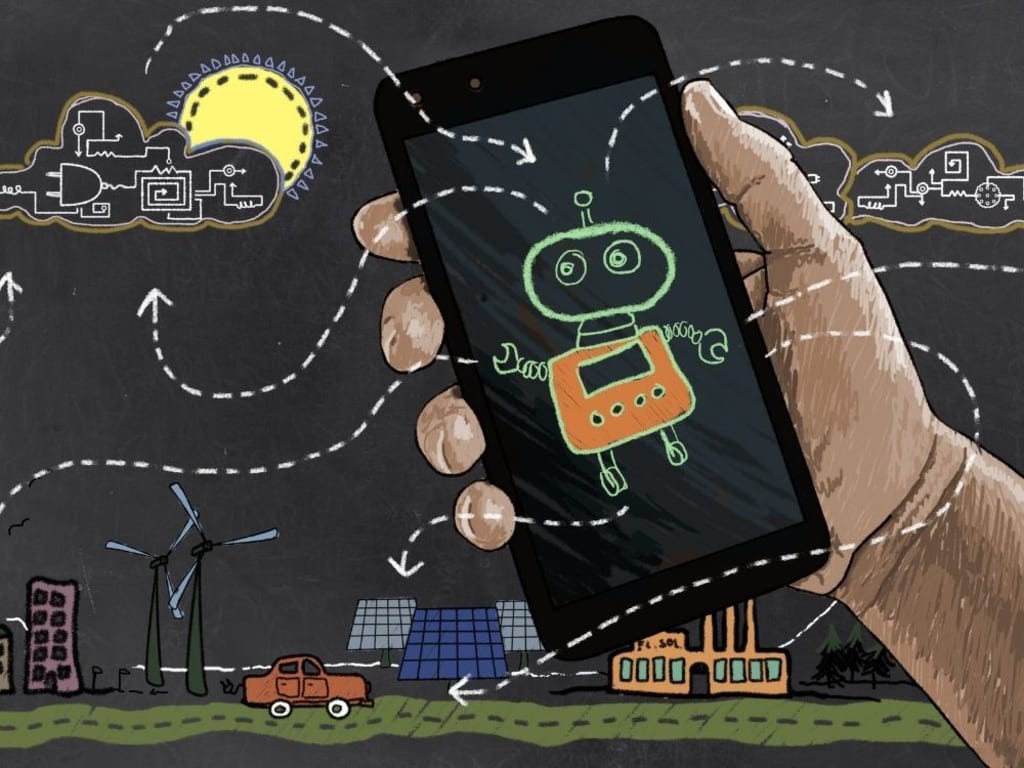
Renewable energy is gaining momentum as a crucial component of the global energy transition towards a sustainable and low-carbon future. With the urgent need to mitigate climate change and reduce dependence on fossil fuels, the renewable energy sector is experiencing rapid growth and innovation. In this article, we will explore the trends and innovations shaping the future of renewable energy and their potential to revolutionize the way we generate, store, and consume energy.
Accelerating Deployment of Solar Power
Solar power continues to be a leading renewable energy source, with significant advancements in photovoltaic (PV) technology and falling costs of solar panels. The future of solar energy lies in the continued expansion of utility-scale solar farms, as well as the integration of solar panels into buildings, infrastructure, and even wearable devices. Emerging technologies like thin-film solar cells, perovskite solar cells, and solar windows hold promise for further efficiency improvements and widespread adoption.
Advancements in Wind Energy Technologies
Wind energy is another key player in the renewable energy landscape, with onshore and offshore wind farms harnessing the power of wind to generate electricity. Ongoing advancements in wind turbine design, including larger rotor diameters, taller towers, and improved aerodynamics, are driving higher energy production and cost reductions. Floating offshore wind farms are also gaining traction, opening up new possibilities for harnessing wind resources in deeper waters.
Expanding Role of Energy Storage
Energy storage technologies are essential for unlocking the full potential of renewable energy sources by addressing the intermittency and variability of solar and wind power. Lithium-ion batteries have dominated the energy storage market, but emerging technologies such as flow batteries, solid-state batteries, and hydrogen storage are poised to revolutionize energy storage by providing longer-duration storage, higher energy densities, and enhanced sustainability.
Integration of Smart Grid Technologies
The development of smart grid technologies is crucial for optimizing the integration of renewable energy sources into existing power grids. Smart grids enable real-time monitoring, demand response, and grid balancing, facilitating efficient electricity management and enhancing grid reliability. Integration of digital technologies, advanced metering infrastructure, and artificial intelligence (AI) can optimize energy distribution and enable seamless integration of renewable energy at scale.
Rise of Electric Vehicles and Vehicle-to-Grid Systems
The transition to renewable energy extends beyond power generation to transportation. Electric vehicles (EVs) are gaining popularity, driven by improvements in battery technology, increased driving range, and the expansion of charging infrastructure. The growth of EVs also presents an opportunity for vehicle-to-grid (V2G) systems, enabling bidirectional energy flow between EVs and the grid. V2G systems can support grid stabilization, optimize energy use, and enable EV owners to participate in demand response programs.
Emergence of Green Hydrogen
Green hydrogen, produced through electrolysis powered by renewable energy, has the potential to revolutionize energy storage, transportation, and industrial processes. As renewable energy costs continue to decline, green hydrogen can play a crucial role in decarbonizing sectors that are challenging to electrify directly, such as heavy industry, aviation, and long-distance transportation. Continued advancements in electrolyzer technology and scaling up of production will be key to realizing the full potential of green hydrogen.
Innovation in Bioenergy and Biogas
Bioenergy, including biofuels and biogas produced from organic matter, has the potential to provide renewable alternatives to fossil fuels. Advanced biofuels, such as cellulosic ethanol and algae-based biofuels, offer higher energy yields and reduced environmental impacts compared to traditional biofuels. Biogas, derived from organic waste, agricultural residues, or dedicated energy crops, can be used for heat, electricity, or even as a renewable natural gas for transportation.
Distributed Energy Systems and Microgrids
Distributed energy systems and microgrids are transforming the energy landscape by enabling localized energy production, consumption, and sharing. These systems integrate renewable energy sources, energy storage, and smart grid technologies to create resilient and self-sufficient energy networks. Microgrids can enhance energy security, support remote communities, and play a critical role in disaster response and recovery.
Investments in Energy Efficiency
While renewable energy is crucial, energy efficiency remains a cornerstone of sustainable energy systems. Continued investments in energy-efficient technologies, building retrofits, smart appliances, and energy management systems can significantly reduce energy demand and complement the transition to renewable energy. Energy-efficient solutions contribute to cost savings, emissions reduction, and improved resource utilization.
Policy Support and Market Innovation
The future of renewable energy depends on supportive policies, market incentives, and collaborations between governments, businesses, and civil society. Governments worldwide are implementing renewable energy targets, feed-in tariffs, carbon pricing, and green procurement policies to drive renewable energy deployment. Additionally, innovative financing models, such as power purchase agreements (PPAs) and community-owned renewable energy projects, are democratizing access to clean energy and fostering community engagement.
In conclusion, the future of renewable energy is filled with exciting possibilities. The continued advancements in solar power, wind energy, energy storage, smart grid technologies, and other innovative solutions will accelerate the transition to a sustainable energy system. By embracing these trends and innovations, we can reduce greenhouse gas emissions, combat climate change, and create a cleaner and more resilient future for generations to come.
Enjoyed the read? Show your support for my future pieces with a small contribution. Every gift counts!
About the Creator
Gokhan Polard
As an experienced ERC Referral Specialist, my primary dedication lies in assisting businesses in the journey towards financial success. https://ercsolutionshub.com/
Keep reading
More stories from Gokhan Polard and writers in Earth and other communities.
The Impact of Melting Glaciers on Sea Level Rise and Coastal Communities
Glaciers are majestic bodies of ice that have shaped the Earth's landscape for thousands of years. However, in recent decades, the accelerating rate of global warming has led to the rapid melting of glaciers worldwide. This phenomenon has profound implications for sea level rise and poses significant threats to coastal communities around the globe. In this article, we will explore the impact of melting glaciers on sea level rise and the consequences for vulnerable coastal areas, as well as the potential strategies to mitigate these effects.
By Gokhan Polard3 years ago in Earth
New Study Issues Dire Warning About Worsening Conditions in Major US River: ‘The Outlook … Does Not Look Good’
A recent study examining one of the United States’ most critical waterways has raised alarm bells for environmentalists, policymakers, and communities that rely on it for drinking water, agriculture, and commerce. The research, conducted by a consortium of scientists from leading universities and federal agencies, indicates that the river’s health is deteriorating at an unprecedented pace, and without immediate intervention, the consequences could be catastrophic.
By Fiaz Ahmed Brohi7 days ago in Earth



Comments
There are no comments for this story
Be the first to respond and start the conversation.