
The Fascinating World of Snakes: Evolution, Adaptations, and Tattoos
Unraveling the Mystery: Why Snakes Lost Their Legs

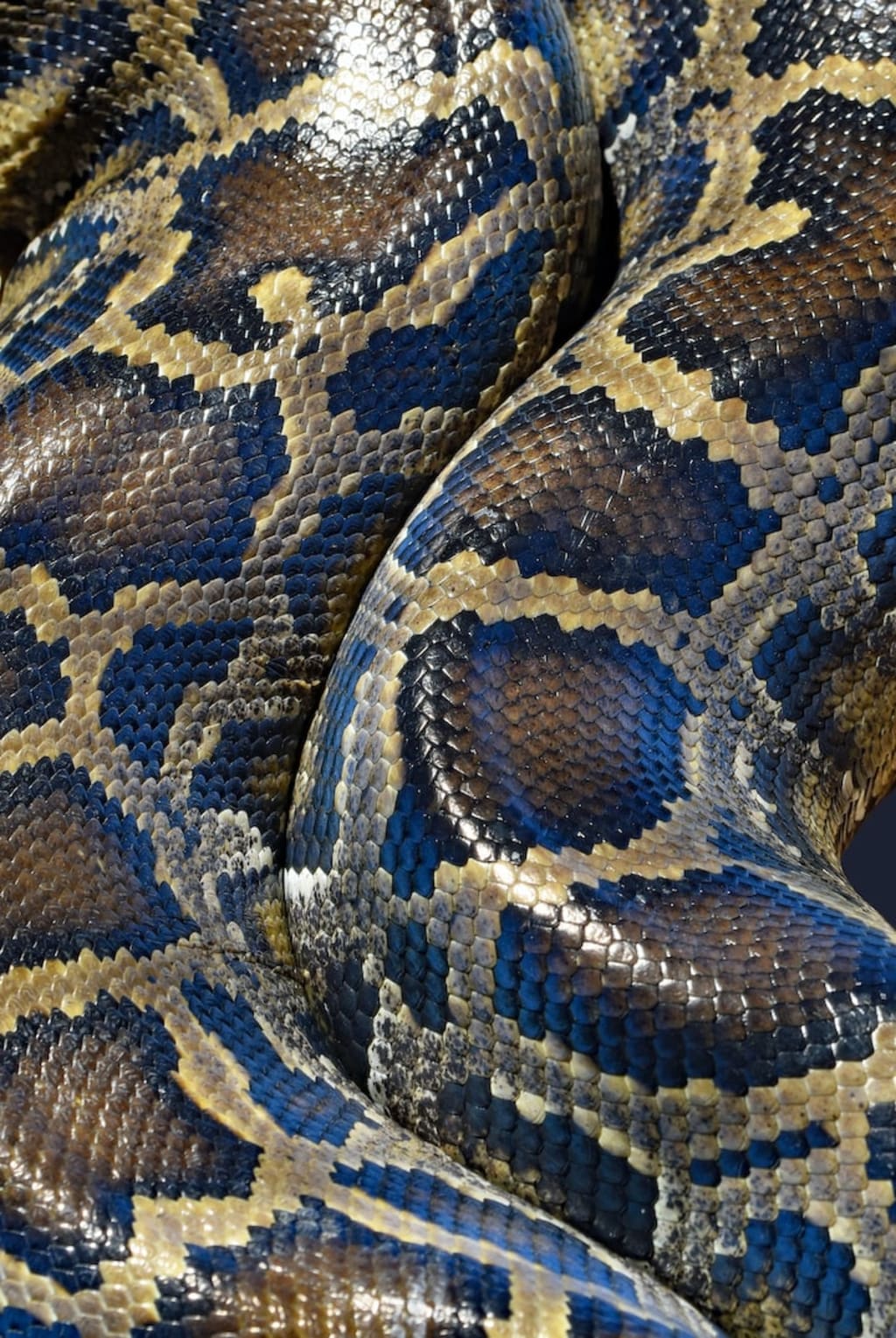
Introduction:
Snakes, the legless wonders of the animal kingdom, have captured the fascination of humans for centuries. With their incredible abilities to swim, climb trees, glide, and reach impressive speeds, it's no wonder why people find them so intriguing. As a snake enthusiast with a snake tattoo to match, I'm excited to delve into the evolution and remarkable adaptations of these incredible creatures. Join me on this journey through the world of snakes, as we explore their origin, the loss of their legs, and their amazing diversity.
Snakes: An Overview of Remarkable Reptiles:
Snakes are reptiles belonging to the class Reptilia, making them cold-blooded creatures. Unlike warm-blooded mammals and birds, snakes regulate their body temperature by seeking warmth or shade from their surroundings. This characteristic restricts their habitat, with most snakes preferring warmer climates like deserts and tropical regions.
The Evolution of Snakes: From Lizards to Legless Wonders:
It might not come as a surprise that snakes evolved from lizards, considering their physical resemblance. Early snake fossils like Eophis and Diablophis from the Jurassic period show evidence of having four legs. The transformation from lizards to snakes involved significant changes in their skulls, leading to the development of a flexible mouth to swallow prey whole.
Why Did Snakes Lose Their Legs?
The transition from legged lizards to legless snakes was a complex process that occurred over millions of years. While the exact reasons are still debated, two primary hypotheses provide some insight. One theory suggests that snakes adapted to life in the water, evolving eel-like undulations that allowed them to move efficiently both on land and in water. Another compelling theory is that snakes adapted to a life underground, allowing their slender bodies to easily navigate through burrows to access their preferred prey. Fossil evidence indicates that the loss of limbs happened in two phases, with the front limbs disappearing first, followed by the hind limbs.
Genetic Aspects of Snake Evolution:
The genetic aspect of snake evolution involves the Sonic Hedgehog gene, which is responsible for limb development. In lizards, this gene drives the growth of limbs during embryo development. However, in pythons and boas, the gene's activity is significantly reduced, resulting in the presence of rudimentary hind limbs inside their bodies. This genetic mutation played a crucial role in the loss of limbs during snake evolution.
Snake Diversity and Impressive Adaptations:
Today, there are approximately 3,500 snake species exhibiting a wide range of adaptations and capabilities. Titanoboa, the largest snake ever discovered, reached nearly 50 feet in length and 3 feet in thickness. Other impressive adaptations include gliding snakes that parachute through the air, sea snakes with unique respiratory systems, and sidewinders that can reach speeds of up to 18 miles per hour.
My Tattoo Series: The Snake Edition:
As a snake enthusiast, I proudly display my fascination through a generic snake tattoo on my body. Snakes have been a significant part of my life since childhood, having owned pet corn snakes named Micro and Susan. I find them incredibly fascinating creatures, which inspired me to get a matching tattoo with my sister Presley.
Conclusion:
Snakes are undeniably remarkable creatures with a rich evolutionary history and astonishing adaptations. From their humble lizard ancestors to the giant Titanoboa, their journey through time has left us in awe. As we continue to explore the world of snakes, let's appreciate these legless wonders for the unique and fascinating animals they are. Whether we admire them through tattoos or observe them in their natural habitats, snakes will continue to captivate our imagination for generations to come.
About the Creator
Rohit Singh
Software developer, part-time content creator, and tech enthusiast.
Unleashing creativity and embracing tech. Join me on this thrilling journey! 🚀
Keep reading
More stories from Rohit Singh and writers in Earth and other communities.
The Undersea Cables and Satellites: The Backbone of the Internet
Introduction When we think about the internet, our minds might drift to clouds and iClouds, but the reality is far more fascinating. The internet is not just in the cloud; it spans across oceans and continents, powered by a complex network of undersea cables. These cables, stretching almost 750,000 miles, are responsible for transmitting 99% of the world's internet traffic. However, as incredible as this technology is, it also comes with its vulnerabilities. In this blog, we will explore the remarkable journey of undersea cables, their advantages over satellites, and why they continue to be the primary means of global communication despite their limitations.
By Rohit Singh3 years ago in Earth
The Sky Adorned with Stars: Nature’s Most Beautiful Crown
On a clear night, when the lights of cities fade and the air grows still, the sky reveals one of nature’s most breathtaking sights — a vast canvas filled with shining stars. The phrase “the sky adorned with stars” perfectly captures the beauty of this moment, as if the heavens themselves are wearing a glittering crown. For thousands of years, humans have gazed upward in awe, wondering about the countless lights scattered across the darkness.
By Irshad Abbasi 7 days ago in Earth



Comments
There are no comments for this story
Be the first to respond and start the conversation.