
The Fascinating World of Bioluminescence
Nature’s Glow

Bioluminescence, the production and emission of light by living organisms, is one of nature’s most captivating phenomena. While many are familiar with the glowing of fireflies on warm summer nights or the shimmering of plankton in the ocean, the world of bioluminescence is far more diverse and widespread than most people realize. From glowing mushrooms in forests to deep-sea creatures that light up the dark depths of the ocean, bioluminescence is a truly mesmerizing natural phenomenon.
At its core, bioluminescence is a chemical reaction. It occurs when an enzyme called luciferase interacts with a molecule called luciferin in the presence of oxygen, producing light. This reaction is highly efficient, meaning it generates light with very little heat, making it a form of "cold light." The glow produced can range in color from green and blue to red and yellow, depending on the species and the chemical properties involved.
The Science Behind Bioluminescence
The mechanism behind bioluminescence involves a complex biochemical reaction. Luciferin, the substrate that undergoes oxidation, reacts with luciferase, the enzyme that catalyzes this reaction. The result is the emission of light, known as bioluminescence. What makes this process so fascinating is that it occurs naturally without the need for electricity or any external energy source. It is a testament to the ingenuity of nature, as organisms have evolved this ability to serve a variety of purposes.
Interestingly, bioluminescence occurs across many different biological kingdoms, including bacteria, fungi, plants, and animals. While the underlying chemical process is similar, the reasons for producing light can vary greatly depending on the species and its environment.
The Purposes of Bioluminescence
Bioluminescence serves a variety of purposes in nature. It can be used for communication, camouflage, predation, and defense, among other things. Here are some of the most fascinating ways bioluminescence is employed in the animal kingdom:
Communication: Fireflies are perhaps the most iconic example of bioluminescence used for communication. Male fireflies emit light to attract females, using specific patterns of flashes to signal their presence and mate. Each species of firefly has its own unique flashing pattern, making it easy for individuals to identify one another.
Camouflage: In the deep ocean, where sunlight does not penetrate, many marine animals use bioluminescence for camouflage. Certain fish and squid have specialized patterns of light that help them blend in with the faint light filtering down from above, allowing them to avoid predators. This technique is known as "counterillumination."
Predation: Some bioluminescent creatures use light to lure prey. For instance, the anglerfish, a deep-sea dweller, uses a glowing lure on top of its head to attract smaller fish. The light acts as bait, enticing potential meals to swim closer, only to become the anglerfish’s next meal.
Defense: Bioluminescence is also used as a defense mechanism. Certain species of squid, for example, release bursts of light to confuse and disorient predators, allowing them to escape. Similarly, some species of jellyfish and plankton use light to create a dazzling display that distracts attackers, giving them time to flee.
Bioluminescence in the Deep Sea
One of the most stunning and mysterious places to witness bioluminescence is the deep ocean. In this dark environment, many species have evolved the ability to generate their own light, creating a spectacle that is both otherworldly and beautiful. Nearly 90% of deep-sea creatures are thought to be bioluminescent, and they use this ability to communicate, attract mates, and find food in an environment where visibility is nearly nonexistent.
For example, the flashlight fish, found in the deep waters of the Pacific and Indian Oceans, has specialized light-producing organs under its eyes that it can control to shine a beam of light, illuminating its surroundings. This light can be used to scare off predators or help the fish hunt for food in the inky darkness.
Bioluminescence on Land
Although bioluminescence is most commonly associated with marine life, there are also terrestrial organisms that produce light. The glowing mushrooms that appear in some forests, like the foxfire or "fairy fire," are a great example. These mushrooms emit a soft greenish glow, which can be seen in the dark. The exact reasons behind this bioluminescence in fungi are not fully understood, but it is believed to play a role in attracting insects that help disperse the fungus's spores.
Similarly, some species of fungi, such as Panellus stipticus, produce light to attract nocturnal insects that may aid in spreading the fungus, ensuring its continued growth and reproduction. Scientists have long been fascinated by the glowing mushrooms, and recent studies suggest that the glow may also act as a defense mechanism, deterring herbivores from feeding on the fungi.
Bioluminescence and Humans
While bioluminescence is often a natural phenomenon, humans have found ways to harness it for our own use. Bioluminescent organisms have inspired advances in biotechnology and medicine. For instance, luciferase has been used in scientific research to detect the presence of certain substances, as the light emitted can serve as an indicator of biological activity.
Additionally, bioluminescence has been incorporated into art, entertainment, and design. From glowing signs to bioluminescent tattoos, humans have found creative ways to use this natural phenomenon to captivate and intrigue.
The Future of Bioluminescence
As scientists continue to explore the mysteries of bioluminescence, there is much potential for practical applications. In the future, we may see more widespread use of bioluminescent organisms in environmental monitoring, where their light could act as an indicator of pollution or other ecological changes. Bioluminescence also holds promise for sustainable lighting solutions. Instead of relying on electricity, bioluminescent organisms could potentially be used to light up buildings or streets, reducing the need for energy consumption.
Moreover, advances in genetic engineering may one day allow us to create organisms with enhanced bioluminescent properties, which could revolutionize areas like medicine, agriculture, and environmental conservation.
In conclusion, bioluminescence is one of the most awe-inspiring phenomena in nature, captivating our imaginations and offering a glimpse into the ingenuity of life on Earth. From the mysterious depths of the ocean to the glowing mushrooms on the forest floor, bioluminescence reminds us that there is still so much more to discover about the natural world, and the potential for its application is only just beginning to unfold.
About the Creator
Keep reading
More stories from dokis sris and writers in Earth and other communities.
The Rise of AI Art
How Artificial Intelligence is Redefining Artistic Boundaries Art has always been a reflection of human imagination, but in recent years, a new collaborator has emerged: artificial intelligence. AI-generated art has gone from a technological curiosity to a cultural phenomenon, challenging our notions of creativity, authorship, and what it means to be an artist.
By dokis srisabout a year ago in Education
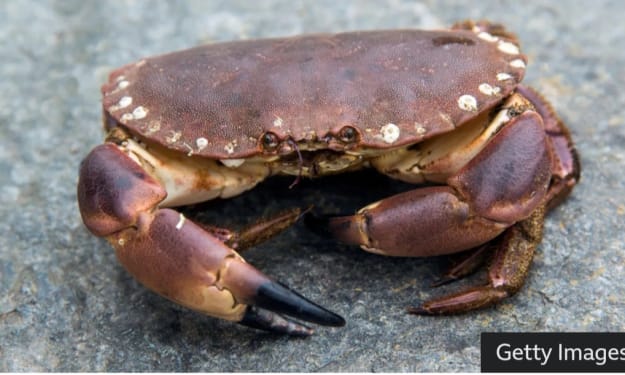
Workers Recover 15,000 Crabs After Lorry Crashes Into Field
An extraordinary scene unfolded when a lorry carrying an estimated 15,000 live crabs crashed into a field, spilling its cargo across farmland and prompting a large-scale recovery effort. The unusual accident quickly drew attention from local residents, emergency services, and animal welfare groups, as workers scrambled to rescue as many crabs as possible before they succumbed to exposure.
By Aarif Lashari5 days ago in Earth



Comments
There are no comments for this story
Be the first to respond and start the conversation.