
The Rise of AI Art
Revolutionizing Creativity in the Digital Age

How Artificial Intelligence is Redefining Artistic Boundaries
Art has always been a reflection of human imagination, but in recent years, a new collaborator has emerged: artificial intelligence. AI-generated art has gone from a technological curiosity to a cultural phenomenon, challenging our notions of creativity, authorship, and what it means to be an artist.
What is AI Art?
AI art refers to artwork created with the assistance of artificial intelligence. Programs like DALL·E, MidJourney, and DeepDream analyze vast datasets of images and use algorithms to generate new visuals based on user prompts. These tools don’t merely replicate existing works—they blend patterns, styles, and concepts to produce something entirely unique.
From realistic portraits to surreal dreamscapes, the possibilities are virtually endless. Artists and hobbyists alike are using AI to create stunning visuals that were once unimaginable.
Why is AI Art So Popular?
Accessibility
AI art tools are increasingly user-friendly, allowing anyone to create professional-quality artwork without formal training. All you need is a creative idea and a few descriptive words.
Endless Inspiration
The ability to generate countless iterations of an idea sparks innovation and helps artists break through creative blocks.
Speed and Efficiency
What might take a traditional artist hours or days can now be completed in minutes with AI. This speed is especially valuable in industries like advertising and design.
The Debate: Can AI Be Truly Creative?
One of the most contentious questions surrounding AI art is whether it qualifies as “real” art. Critics argue that AI lacks emotion, intention, and the human touch, which are essential to artistic expression. However, supporters counter that AI is a tool, much like a paintbrush or camera, and its output depends on the creativity of the user.
In many ways, AI art is a collaboration between human and machine. The artist guides the process, while the AI executes the vision. This interplay raises intriguing questions about the future of creativity and the role of technology in shaping it.
The Impact on the Art World
AI-generated art is already disrupting traditional notions of value and authorship. In 2018, an AI artwork titled Portrait of Edmond de Belamy sold at auction for $432,500, sparking global attention. Since then, AI-generated pieces have become a staple in galleries and digital marketplaces.
However, this rise also raises ethical concerns. For instance:
Copyright Issues: AI tools often rely on datasets scraped from the internet, which may include copyrighted works.
Job Displacement: Some fear that AI could replace traditional artists in industries like illustration, animation, and design.
The Future of AI Art
Despite the controversies, AI art is here to stay. As algorithms improve, we can expect even more sophisticated and personalized creations. Emerging trends include:
Interactive Art: AI tools that adapt in real time to user input, allowing for dynamic, evolving works.
Cross-Disciplinary Fusion: Combining AI-generated visuals with music, performance, and virtual reality for immersive experiences.
Democratization of Art: Lowering the barriers to entry and empowering more people to express themselves creatively.
Conclusion
The rise of AI art is not just a technological advancement—it’s a cultural shift. By blurring the lines between human and machine, it challenges us to rethink the very nature of creativity and artistry. Whether you see AI as a tool, a collaborator, or a competitor, one thing is certain: it’s opening new doors to imagination and transforming the way we create and experience art.
As the world continues to embrace this innovation, we’re left with a profound question: if art is meant to evoke emotion and provoke thought, does it matter whether the artist is human or artificial? The answer may redefine creativity for generations to come.
About the Creator
Keep reading
More stories from dokis sris and writers in Education and other communities.
The Mystery of the Deep
Unlocking Secrets from the World Beneath the Waves Far below the sunlit surface of the ocean lies the twilight zone, a realm shrouded in perpetual dimness. Officially known as the mesopelagic zone, this mysterious layer of the sea stretches from about 200 to 1,000 meters (656 to 3,280 feet) deep. It’s a world that’s largely unexplored, teeming with life forms that seem alien to us and hold untapped secrets about the Earth’s ecosystems.
By dokis srisabout a year ago in Proof
Beginner Investing Blueprint: A Simple Path Toward Wealth and Financial Freedom
Investing is one of the most powerful ways to build wealth and reach financial freedom. Yet many people delay investing because it feels complex or risky. The truth is that investing does not need to be complicated. A clear beginner investing blueprint can help anyone start building a strong financial future.
By Millicent Prince4 days ago in Education
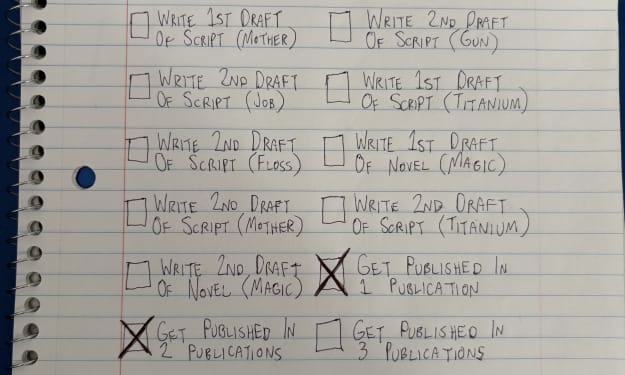
Early March 2026: 4 Goals Accomplished
It's early March and I've now accomplished my 4th writing goal for the year of 2026. Before diving into the behind-the-scenes of it... why not tell you up front what that accomplishment was? I was published in a 2nd publication for this year. Published in Helix Literary Magazine out of Central Connecticut State University. You can read it for free right now!
By Stephen Kramer Avitabile7 days ago in Writers


Comments
There are no comments for this story
Be the first to respond and start the conversation.