
The Enigmatic Eels
Unraveling the Mysteries of a Fascinating Aquatic Species.
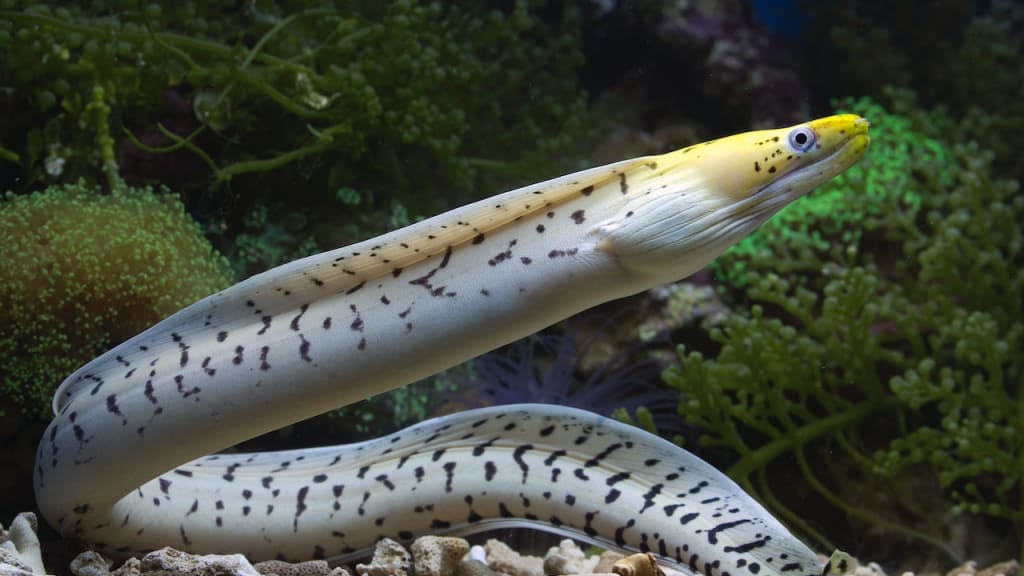
The Enigmatic Eels: Unraveling the Mysteries of a Fascinating Aquatic Species.
Introduction :
Eels, with their sleek bodies and snakelike movements, have captivated human curiosity for centuries. Found in freshwater and saltwater habitats across the globe, these enigmatic creatures are shrouded in mystery. From their peculiar life cycle to their astonishing migration patterns, eels continue to baffle scientists and intrigue nature enthusiasts alike. This article delves into the world of eels, shedding light on their biology, behavior, and the ongoing scientific research that aims to unravel the secrets of these extraordinary aquatic inhabitants.
The Diversity of Eels :
Eels belong to the order Anguilliformes and are characterized by their elongated bodies, lack of pelvic fins, and distinct snake-like appearance. They are a diverse group, comprising more than 800 species. These species are found in various aquatic environments, including rivers, lakes, estuaries, and the open ocean. Some of the most well-known eel species include the European eel (Anguilla anguilla), the American eel (Anguilla rostrata), and the Japanese eel (Anguilla japonica). Each species has its own unique adaptations and behaviors, contributing to the overall intrigue surrounding eels.
Life Cycle and Reproduction :
One of the most remarkable aspects of eels is their complex life cycle, which involves both freshwater and saltwater environments. Eels begin their lives as transparent leaf-shaped larvae, known as leptocephali, hatching in the open ocean. These larvae then undergo a remarkable metamorphosis, transforming into glass eels as they migrate toward coastal areas. These glass eels then make their way into freshwater habitats, where they develop into yellow eels, characterized by their pigmented appearance.
After spending several years in freshwater, eels undergo further changes, preparing for their extraordinary migration back to the ocean to spawn. During this phase, they are known as silver eels, and their bodies undergo physiological adaptations for the long journey. It is believed that eels travel thousands of kilometers to reach their spawning grounds, a feat that still puzzles scientists today.
Behavior and Adaptations :
Eels have evolved a range of fascinating adaptations that enable them to thrive in diverse environments. One notable adaptation is their ability to breathe through their skin, allowing them to survive in oxygen-poor waters or even on land for short periods. Eels are also nocturnal, preferring to hunt and explore under the cover of darkness.
These elusive creatures are known for their impressive navigational skills. Researchers believe that eels possess a built-in "magnetic compass" that enables them to sense the Earth's magnetic field and use it for orientation during their long migrations. The exact mechanisms behind this remarkable ability are still being studied.
The Importance of Eels :
Eels play a vital ecological role in the aquatic ecosystems they inhabit. As both predators and scavengers, they help regulate populations of smaller aquatic organisms. Additionally, eels serve as an important food source for various predators, including birds, larger fish, and mammals. They are also culturally significant in many regions, featuring prominently in local cuisines and folklore.
Conservation Challenges :
Despite their ecological and cultural importance, eel populations worldwide are facing numerous threats. Overfishing, habitat loss, pollution, and barriers to migration, such as dams and weirs, have severely impacted eel populations. Several eel species are now classified as endangered or critically endangered. Conservation efforts, including the regulation of fishing practices and the restoration of critical habitats, are crucial for the long-term survival of these mesmerizing creatures.
Conclusion :
Eels continue to intrigue and inspire awe with their mysterious nature and astonishing abilities. While much progress has been made in understanding their biology and behavior, many questions remain unanswered. The ongoing scientific research and conservation initiatives provide hope for the preservation of eel populations and a deeper understanding of these enigmatic creatures. By unlocking the secrets of eels, we gain insight into the complex workings of aquatic ecosystems and the wonders of the natural world.
About the Creator
Keep reading
More stories from Mr Royal Honey and writers in Earth and other communities.
Seahorses
Title: Physical Characteristics and Adaptations of Seahorses Introduction: Seahorses are unique and enchanting creatures that belong to the family Syngnathidae, which also includes pipefish and sea dragons. With their distinctive appearance and fascinating behaviors, seahorses have captivated the interest of scientists and nature enthusiasts alike. In this article, we will explore the physical characteristics and remarkable adaptations that enable seahorses to thrive in their marine habitats.
By Mr Royal Honey 3 years ago in Earth
True Happiness
On a sturdy apple tree, a mother dove lived peacefully with her tiny baby. The tree provided them with shelter, shade, and a sense of security. Every day, the mother dove would watch over her little one, teaching it to flap its wings, coo softly, and enjoy the calm of the natural world. Life had been simple, quiet, and safe for them, and she felt content in the little world that belonged entirely to her and her chick.
By Sudais Zakwan3 days ago in Earth
Take a Roundtrip to Hell and Back
The Acheron River in Greece got its name from a river in Greek mythology located in the underworld of Hades and associated with woes and pain. The river flows through the region of Epirus in northwestern Greece and flows into the Ionian Sea at Ammoudia.
By Rasma Raisters4 days ago in Earth




Comments
There are no comments for this story
Be the first to respond and start the conversation.