
Seahorses
Physical Characteristics and Adaptations of Seahorses.
Title: Physical Characteristics and Adaptations of Seahorses
Introduction:
Seahorses are unique and enchanting creatures that belong to the family Syngnathidae, which also includes pipefish and sea dragons. With their distinctive appearance and fascinating behaviors, seahorses have captivated the interest of scientists and nature enthusiasts alike. In this article, we will explore the physical characteristics and remarkable adaptations that enable seahorses to thrive in their marine habitats.
Seahorses are unique and fascinating creatures that belong to the family Syngnathidae, which also includes pipefish and sea dragons. They are known for their distinct physical characteristics and incredible adaptations that allow them to thrive in marine environments. In this article, we will explore the physical characteristics and adaptations of seahorses.
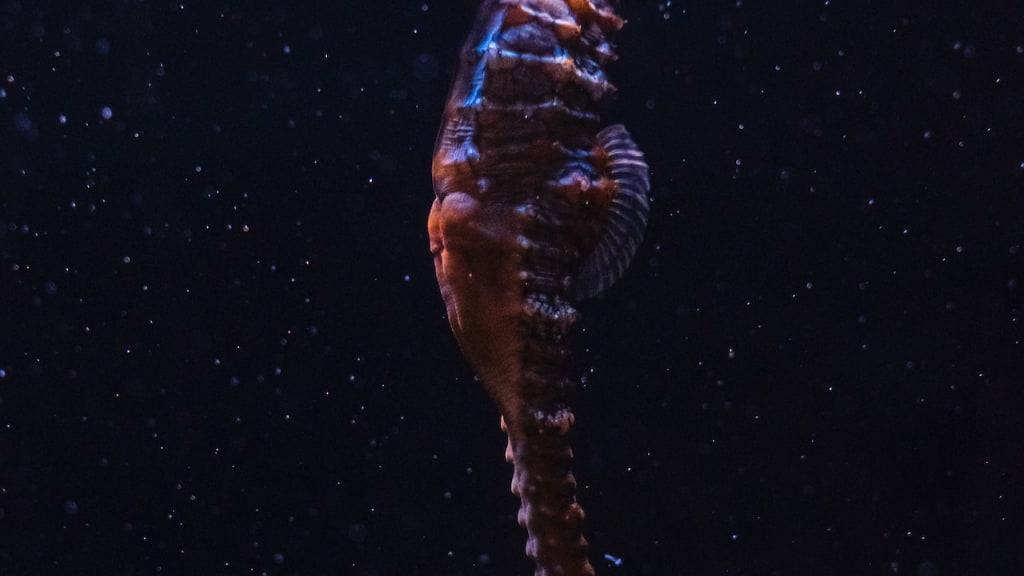
One of the most striking features of seahorses is their upright posture, which sets them apart from other fish species. They have a long, slender body that is covered in bony plates instead of scales. These plates serve as a protective armor, offering defense against predators. Seahorses come in a variety of colors, including shades of yellow, orange, brown, and green, allowing them to blend in with their surroundings.
Body:
1. Body Structure:
Seahorses possess a slender body shape, ranging in size from just a few centimeters to around 35 centimeters. Their bodies are vertically elongated, and they have a distinct head with a long, tubular snout. One of the most notable features of seahorses is their prehensile tail, which allows them to grasp onto various objects, such as seagrasses and corals.
2. Unique Skeletal System:
Unlike most fish species, seahorses have an external skeleton composed of bony plates. These plates are arranged in a series of rings, providing structural support to their bodies. The lack of ribs further enables seahorses to bend and twist their bodies with exceptional flexibility.
3. Camouflage and Coloration:
Seahorses exhibit remarkable camouflage abilities, allowing them to blend seamlessly with their surroundings. Their coloration can vary significantly, ranging from vibrant hues like red, orange, and yellow to more subdued shades of brown and gray. This adaptability in coloration enables seahorses to avoid predation and ambush their prey effectively.
4. Pectoral Fins:
Seahorses possess small pectoral fins located near their gills, which they use to navigate and maintain stability in the water. These fins are crucial for steering movements and ensuring precise control during slow swimming.
5. Unique Respiratory System:
Seahorses have a specialized respiratory system. Instead of gills, they use a small opening called a gill slit, located on the back of their heads, to exchange oxygen and carbon dioxide with the surrounding water. This adaptation allows them to breathe more efficiently and maintain a relatively stationary position in the water.
6. Snout Shape and Feeding:
The elongated snout of seahorses plays a vital role in their feeding habits. It allows them to probe crevices and search for tiny prey, such as small crustaceans and zooplankton. Once the prey is detected, seahorses use their snouts like a vacuum, sucking in the prey with incredible speed.
7. Reproductive Strategies:
Seahorses are known for their unique reproductive behavior. Males carry the fertilized eggs in a specialized pouch located on their ventral side. This adaptation is exclusive to seahorses among fish species. The male seahorse provides parental care by incubating the eggs until they hatch, releasing fully formed miniature seahorses into the water.
8. Hydrodynamic Design:
Seahorses exhibit a hydrodynamic design that minimizes water resistance and enables them to move with precision. Their slender bodies and lack of a caudal fin are advantageous for maneuvering in complex underwater environments, such as seagrass meadows and coral reefs.
Conclusion:
Seahorses are truly captivating creatures with a range of unique physical characteristics and adaptations. From their prehensile tail and bony plates to their remarkable camouflage and reproductive strategies, seahorses have evolved to thrive in their marine habitats. Understanding these fascinating features not only enriches our knowledge but also emphasizes the importance of preserving their fragile ecosystems.
About the Creator
Keep reading
More stories from Mr Royal Honey and writers in Earth and other communities.
Introduction to Seahorses
Seahorses: Fascinating Creatures of the Sea Seahorses are mesmerizing marine animals that captivate the imagination with their unique appearance and enchanting behavior. Belonging to the genus Hippocampus, these delicate creatures are found in shallow tropical and temperate waters around the world. Despite their small size and seemingly delicate nature, seahorses are remarkably adapted to their marine habitats. In this article, we will explore the captivating world of seahorses and uncover the wonders that make them truly fascinating.
By Mr Royal Honey 3 years ago in Earth
Deadly Nipah Virus Outbreak
In recent years, the world has become painfully familiar with viral outbreaks. From COVID-19 to Ebola, infectious diseases have repeatedly reminded humanity how fragile global health systems can be. Among these threats, the Nipah virus stands out as one of the deadliest and least understood viruses, capable of causing severe illness and sudden outbreaks with devastating consequences. Although Nipah virus outbreaks are relatively rare, their high fatality rate and lack of a specific cure make them a serious public health concern. Each new outbreak reignites fears and highlights the urgent need for awareness, preparedness, and global cooperation. What Is the Nipah Virus? The Nipah virus is a zoonotic virus, meaning it spreads from animals to humans. It was first identified in 1998 during an outbreak among pig farmers in Malaysia. Since then, cases have been reported mainly in South and Southeast Asia, including Bangladesh and India. Fruit bats, particularly those from the Pteropus species, are considered the natural carriers of the virus. These bats often show no symptoms but can transmit the virus to humans either directly or through intermediate hosts such as pigs. Human-to-human transmission has also been documented, making outbreaks especially difficult to contain. How Nipah Virus Spreads One of the most alarming aspects of the Nipah virus outbreak is how easily it can spread in certain environments. Common modes of transmission include: Direct contact with infected animals Consumption of food contaminated by bat saliva or urine, such as raw date palm sap Close contact with infected individuals, especially in healthcare or household settings In many affected regions, traditional practices and limited access to healthcare increase the risk of exposure. Once the virus enters a community, it can spread rapidly if preventive measures are not taken seriously. Symptoms and Severity The symptoms of Nipah virus infection can vary widely, which often makes early diagnosis difficult. Initial symptoms may resemble common illnesses, including: Fever Headache Muscle pain Vomiting and sore throat However, the disease can quickly progress to severe neurological complications such as encephalitis (brain inflammation). In advanced cases, patients may experience confusion, seizures, coma, and respiratory distress. What makes Nipah virus particularly deadly is its high mortality rate, which has ranged from 40% to as high as 75% in some outbreaks. Survivors may also suffer long-term neurological problems, significantly impacting their quality of life. Recent Outbreaks and Global Concern Each new Nipah virus outbreak raises international alarm, not only because of its fatality rate but also due to its potential to spark a larger epidemic. The World Health Organization (WHO) has listed Nipah virus as a priority pathogen, meaning it has the potential to cause a public health emergency with limited treatment options available. Recent outbreaks, even when limited to a few cases, have required massive public health responses, including contact tracing, quarantines, and community lockdowns. These measures, while effective, place immense strain on healthcare systems and local economies. The fear is not just about the present outbreak but about the virus’s potential to mutate and spread more efficiently among humans in the future. Why There Is No Cure Yet Currently, there is no specific antiviral treatment or approved vaccine for the Nipah virus. Medical care focuses on managing symptoms and providing supportive treatment, such as respiratory support and intensive care when needed. Several experimental treatments and vaccines are under development, but progress is slow due to the sporadic nature of outbreaks and limited funding compared to more widespread diseases. This lack of a cure makes prevention the most powerful tool in fighting Nipah virus outbreaks. Prevention and Control Measures Preventing a Nipah virus outbreak relies heavily on public awareness and early action. Key preventive strategies include: Avoiding consumption of raw or unprocessed foods that may be contaminated Limiting contact with bats and sick animals Using protective equipment when caring for infected individuals Strengthening infection control practices in hospitals Governments and health organizations also play a crucial role by monitoring potential hotspots, educating communities, and responding swiftly to suspected cases. The Role of Global Awareness The deadly nature of the Nipah virus is a stark reminder that global health threats do not respect borders. An outbreak in a small village can quickly become an international concern if ignored. This is why transparency, rapid reporting, and global cooperation are essential. Raising awareness through accurate information helps prevent panic while encouraging responsible behavior. Media outlets, healthcare professionals, and policymakers must work together to ensure communities understand both the risks and the protective measures. Looking Ahead As the world continues to recover from recent pandemics, the Nipah virus outbreak serves as a warning rather than a prediction. It highlights the importance of investing in research, strengthening healthcare infrastructure, and respecting the delicate balance between humans and wildlife. While Nipah virus may not yet be a household name, its potential impact is undeniable. Preparedness today can save countless lives tomorrow. By staying informed and supporting global health initiatives, humanity can reduce the risk posed by this silent but deadly threat.
By Saboor Brohi 2 days ago in Earth
UK Among 10 Countries to Build 100GW Wind Power Grid in North Sea
The United Kingdom has joined forces with nine other European countries to create a massive offshore wind power grid in the North Sea, aiming to generate 100 gigawatts (GW) of renewable electricity. This ambitious initiative, one of the largest international energy projects in recent history, reflects Europe’s growing commitment to sustainable energy and the transition away from fossil fuels.
By Aarif Lashari3 days ago in Earth
📢 Raise Your Voice Thread: 01/22/2026
Our “Raise Your Voice Threads” are hosted most alternating Thursdays at 12PM ET to offer creators more avenues to uncover exceptional stories on Vocal. As we are continuously searching for fresh creators and inspiring stories, this thread provides an opportunity to exchange and discuss the stories that have moved and motivated us on Vocal.
By Raise Your Voice by Vocal6 days ago in Resources



Comments
There are no comments for this story
Be the first to respond and start the conversation.