
The Enigma of the Dragon’s Eye Cave: A Hidden Wonder in Lancashire
Natural Phenomenon

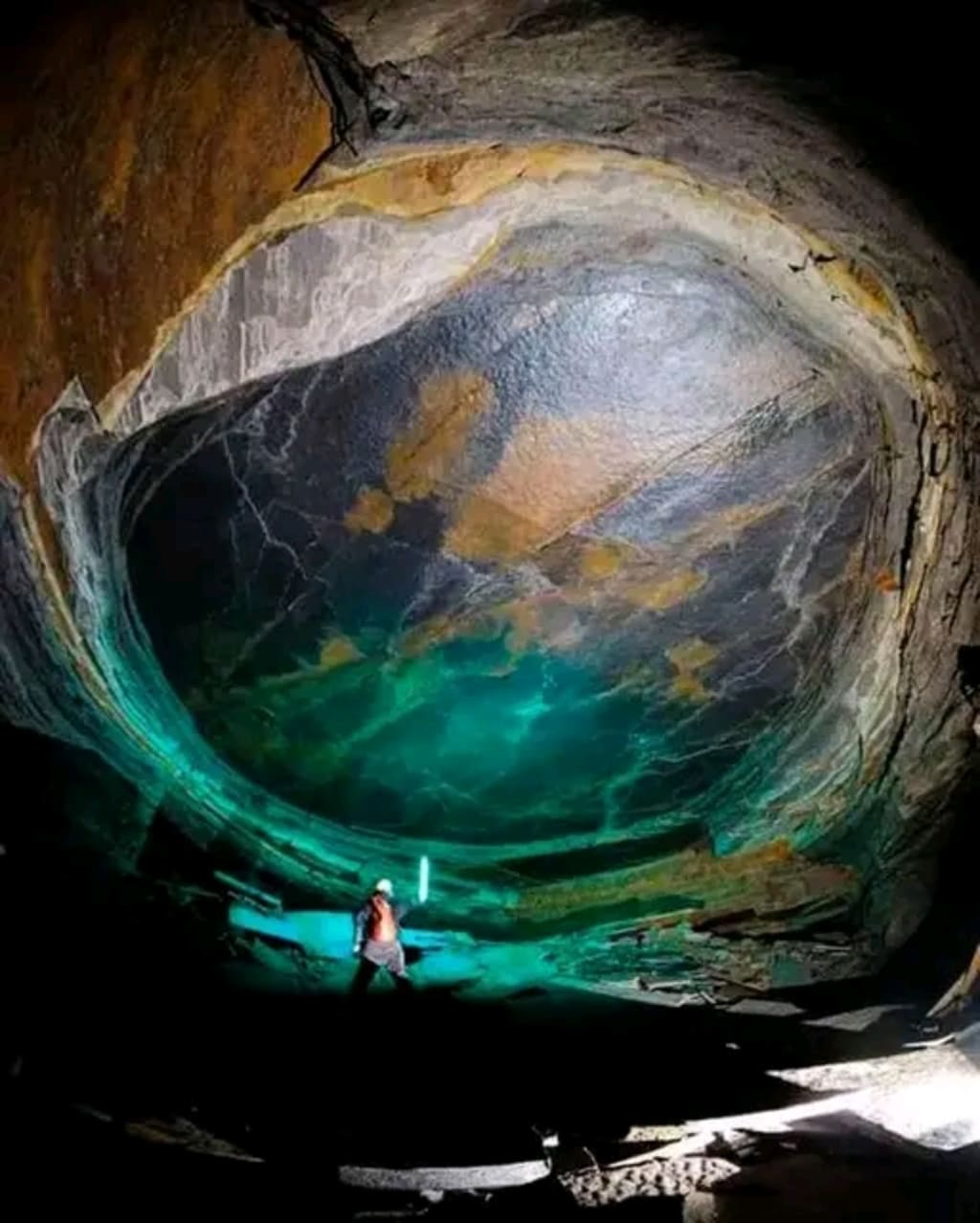
Deep in the heart of Lancashire, England, lies a mysterious and secretive natural wonder that has captured the imaginations of explorers, locals, and adventurers alike. Known as the Dragon’s Eye Cave, this remarkable geological formation is hidden within an abandoned stone mine, ominously referred to as The Hall of Giants. Despite its beauty and intrigue, the exact location of the Dragon’s Eye Cave is fiercely guarded, known only to a select few. Its secrecy, combined with its stunning visual appeal, has elevated the cave to almost mythical status.
In this blog post, we will delve into the legends surrounding the Dragon’s Eye Cave, the geology behind its unique formation, and the mystery that continues to surround its whereabouts.
The Myth and Mystery of the Dragon’s Eye
The Dragon’s Eye Cave is shrouded in folklore and myth, with its name alone conjuring up images of ancient dragons guarding hidden treasures beneath the earth. Locals say that the cave earned its name because of a central geological formation inside that resembles the eye of a dragon—an oval-shaped cavity ringed by concentric patterns of mineral deposits that mimic the iris and pupil of a reptilian eye. This formation, illuminated by natural light filtering in through the cave’s openings, glows eerily, further enhancing its dragon-like appearance.
The Hall of Giants, the abandoned stone mine in which the Dragon’s Eye Cave is found, adds to the cave’s mystique. The mine itself, once a thriving site for stone extraction, is now a haunting labyrinth of caverns and tunnels. Many of these tunnels are inaccessible or dangerous to traverse, which has only heightened the mystery surrounding the cave. Tales abound of explorers who have ventured too far into the mine, never to return, feeding into the eerie legend of the Dragon’s Eye.
Over the years, a few brave adventurers and explorers have reportedly found the cave, though they are often bound by an unspoken code of secrecy. Photographs of the cave's entrance or interior are rare, with only the occasional blurred image or partial description making its way into the public eye. This has led to the Dragon’s Eye Cave being one of the most elusive natural landmarks in England.
The Geology of the Dragon’s Eye
While the stories and legends surrounding the Dragon’s Eye Cave are fascinating, the true beauty of the cave lies in its geological formation. The cave's walls are adorned with striking mineral formations, created over thousands of years by the slow buildup of calcite and other minerals within the abandoned mine. The “eye” itself is a natural wonder—likely formed by the dissolution of limestone by acidic water over centuries. The result is a perfectly shaped hollow, resembling a dragon’s eye, with distinct layers of mineral deposits that give it a textured and patterned look.
The minerals within the cave’s walls refract light in unique ways, casting a shimmering glow that makes the Dragon’s Eye appear almost alive. This effect is amplified by the fact that the cave is only partially illuminated by natural light, creating a dynamic play of light and shadow that adds to the surreal atmosphere of the space. It is no wonder that those who have seen the cave in person are so deeply affected by its beauty and mystery.
The surrounding cave system, known as The Hall of Giants, is equally awe-inspiring. The mine, with its towering stone columns and expansive caverns, creates a sense of grandeur, as if the entire area was once the domain of giants, as its name suggests. These enormous stone pillars were likely left behind by miners as they extracted valuable stone from the site, but today they stand as silent guardians of the cave’s secrets.
The Secrecy Surrounding Its Location
One of the most intriguing aspects of the Dragon’s Eye Cave is its secrecy. The exact location of the cave has never been made public, and those who have visited it often keep its whereabouts hidden. Some believe this is due to the cave’s fragile ecosystem, while others suggest that the cave is too dangerous for casual visitors. The abandoned mine itself is prone to collapses, and many of the tunnels are unstable, making the journey to the Dragon’s Eye a perilous one.
However, the secrecy also adds to the allure of the cave. Explorers who have been fortunate enough to find the Dragon’s Eye describe it as an almost spiritual experience—stumbling upon a hidden treasure that few have ever seen. For others, the cave represents the ultimate challenge, a quest to find something that is both beautiful and elusive.
In recent years, there have been whispers of small groups of adventurers who have banded together in an attempt to locate the cave. Some of these groups have reportedly come close, only to be turned back by the treacherous conditions of the mine. The Hall of Giants is said to be a maze of tunnels, with many dead ends and false leads, making the search for the Dragon’s Eye all the more difficult.
A Timeless Wonder
The Dragon’s Eye Cave is a perfect example of the hidden beauty that can be found in the most unexpected places. Tucked away in an abandoned mine in Lancashire, this natural wonder continues to captivate those who hear its story, even if they may never see it in person. The combination of folklore, geological wonder, and secrecy makes the Dragon’s Eye Cave a timeless enigma—one that will likely remain hidden for generations to come.
Whether or not you believe in the legends of dragons and giants, the allure of the Dragon’s Eye Cave lies in its mystery. It serves as a reminder that even in our modern world, there are still places left to discover, hidden wonders waiting to be found, and stories yet to be told. For those who seek adventure and the unknown, the Dragon’s Eye Cave stands as a symbol of the enduring power of nature’s mysteries.
About the Creator
Keep reading
More stories from Deji Akomolafe and writers in Earth and other communities.
The Hoba Meteorite: Earth’s Largest Natural Chunk of Iron
In the heart of Namibia, nestled in the Grootfontein region, lies a mysterious marvel that has captivated scientists and visitors alike for decades. The Hoba meteorite, Earth’s largest known meteorite and the largest natural iron object on the planet, is a fascinating piece of cosmic history. Discovered accidentally by a farmer in 1920, this 60-ton behemoth has been the subject of scientific study and local lore. With an estimated age of around 80,000 years, the meteorite’s immense size, unique composition, and curious lack of an impact crater make it one of the most intriguing natural wonders on Earth.
By Deji Akomolafeabout a year ago in Earth
Why Hunters Make the Best Entrepreneurs: The Survival Mindset That Builds Powerful Businesses
Entrepreneurship often requires a distinct mindset. Starting a business means entering uncertain territory. Many people search for traits that define successful founders. Interestingly, the mindset of a hunter shares many similarities with the mindset of an entrepreneur. Hunters must survive in unpredictable environments. They observe, plan their actions, and stay focused on their goal. These same qualities help business leaders build strong companies. This is why many experts believe hunters make the best entrepreneurs. A hunter does not depend on luck alone. Instead, they rely on preparation, awareness, and patience. Entrepreneurs face similar conditions in competitive markets. They must search for opportunities while avoiding risks. They study the environment and act when the moment is right. Both hunters and entrepreneurs must think clearly under pressure. They must trust their instincts but also rely on strategy. These shared skills help explain why the hunter mindset often leads to success in business.
By Darrell Hulsey4 days ago in Earth
A Transparent Look at Vocal Challenges and Top Stories
Almost three years ago, we shared a resource article that served as a place for people to suggest new challenge prompts. We thought it would be a good idea to refresh that thread, and take the opportunity to answer a few common questions about top stories, how challenges are judged and how submissions are reviewed.
By Vocal Curation Team4 days ago in Resources


Comments
There are no comments for this story
Be the first to respond and start the conversation.