
The Echoes of Change
A Tale of Hope in the Face of the Climate Crisis

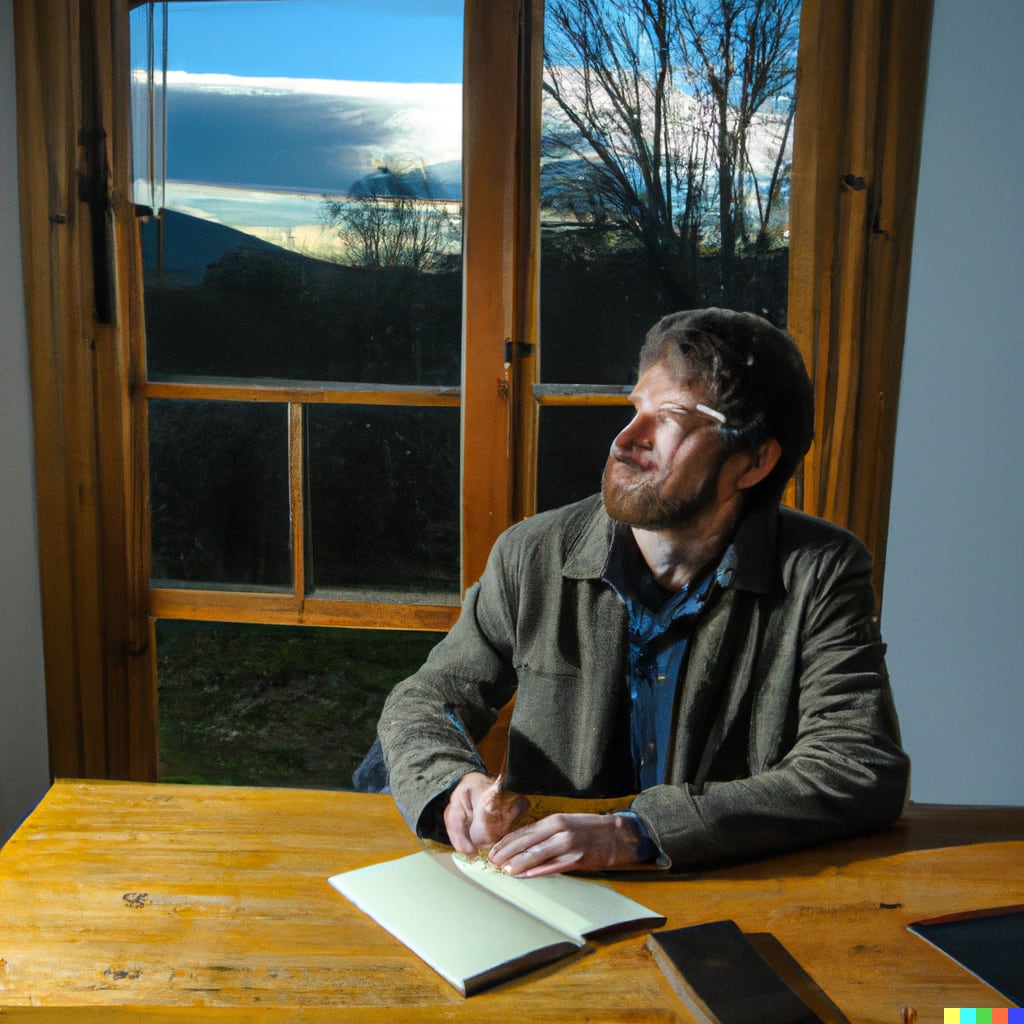
The sun shone high in the sky as Alexander gazed at the horizon from his apartment terrace. The hot air enveloped him, but something inside him was not at peace. The world was in the midst of an unprecedented climate crisis, and as a writer, he felt the urgency to give voice to this desperate situation.
Alexander was known for his fiction stories, but now he faced a different challenge: narrating the reality that threatened the very existence of humanity. He took his pen and began to write.
"In the not-so-distant future, Earth struggles to breathe under a blanket of pollution and natural disasters. The once blue and teeming oceans now turn black, their waters poisoned by toxic spills and oil leaks. The beaches, once welcoming and filled with laughter, now lie covered in trash, a silent testament to our negligence.
The once bustling and vibrant cities are now shrouded in an oppressive haze, generated by uncontrolled greenhouse gas emissions. Climate change has dramatically altered weather patterns, giving rise to more intense storms, prolonged droughts, and deadly heatwaves. Crops wither, and water reserves rapidly deplete, bringing hunger and thirst to millions of homes.
In this desolate land, a small group of activists and scientists have come together to try to change the course of the imminent catastrophe. They work tirelessly, battling widespread apathy and stubborn denial from the powerful. They face constant threats, but their indomitable spirit drives them forward.
Amidst this chaos, a fragile yet powerful hope emerges. The youth, tired of the inaction of previous generations, raise their voices with courage. Mass demonstrations, protests, and student strikes spread like wildfire. The youth refuse to be passive witnesses to their own destiny. They demand a livable and sustainable future for themselves and future generations.
Corporations and governments are finally forced to listen. Significant changes begin to take shape: stricter environmental policies, investments in renewable energy, bans on single-use plastics. The world realizes that there is no planet B, and that we have only one chance to correct our mistakes.
Alexander let out a sigh as he finished writing. The story he had created reflected both the anguish and the hope he felt within. He knew that the challenges we faced were enormous, but he also believed in the power of storytelling to inspire real change.
He closed his eyes and envisioned a world where rivers flowed clean and crystal-clear, where forests thrived, and wild animals reclaimed their lost habitats. A world where humans had learned to live in harmony with nature, recognizing their interdependence and protecting the resources entrusted to them.
He took a deep breath and set out to spread his story of hope through his pen. The writer embarked on a mission, becoming a passionate advocate for the environment through his words. He began publishing his stories in magazines and newspapers, using his talent to raise awareness and foster action.
The response was overwhelming. His inspiring tales touched the hearts of people worldwide, igniting a flame of hope and motivation to take concrete steps. Readers joined local movements, participated in beach cleanups, planted trees, and adopted sustainable living practices in their homes and communities.
Alexander's message spread beyond the literary realm. He was invited to international conferences on climate change, where he shared his vision and joined other leaders in the fight for a greener and more equitable future. His words became a catalyst for a global conversation, generating greater awareness and pressure on decision-makers.
Slowly but surely, governments began taking bolder actions. They signed international agreements to reduce greenhouse gas emissions, invested in renewable energies, and promoted research and development of innovative solutions to tackle climate challenges.
Alexander realized that while his role as a writer was powerful, real transformation required collective effort. He worked alongside scientists, activists, politicians, and committed citizens
to weave networks of collaboration and join forces in this vital struggle.
With time, the fruits of their efforts began to manifest. Environmental indicators gradually improved. The oceans regained their biodiversity, glaciers stabilized, and renewable energy became the primary source of electricity in many places.
Alexander didn't stop there. He continued writing, urging society to remain vigilant and reminding them that climate change remained a constant threat. His voice resonated in the minds and hearts of people, reminding them that every small act mattered and that the time to act was now.
Alexander's story wasn't limited to the pages of his books; it became a global movement, a call to action that transformed collective consciousness. As the world worked towards healing its wounds, humanity came together in an unprecedented effort to protect their shared home.
Alexander smiled, knowing that his role as a writer had left a mark on the world. His story had inspired millions, ignited the spark of change, and paved the way for a sustainable and prosperous future for Earth and all its life forms. The echo of his voice would endure in the hearts and minds of those who chose to listen and act for the benefit of our common home.
As years passed, the echoes of Alexander's message continued to reverberate across the globe. His words had sparked a collective awakening, fueling a movement that transcended borders and united people from all walks of life. The urgency to address the climate crisis became ingrained in the fabric of society.
Governments and policymakers, spurred by the growing public demand for action, enacted sweeping reforms and policies to combat climate change. Renewable energy became the dominant source of power, replacing fossil fuels and drastically reducing carbon emissions. Industries transitioned to sustainable practices, embracing circular economies and eco-friendly technologies.
Innovations emerged from every corner of the world, as scientists, engineers, and inventors dedicated themselves to finding sustainable solutions. Breakthroughs in clean energy, carbon capture, and regenerative agriculture transformed the landscape of possibility. The collective effort and collaboration across borders led to unprecedented advancements, proving that when humanity unites with a common purpose, remarkable achievements are possible.
Communities became hubs of resilience and sustainability, adapting to the changing climate and prioritizing the well-being of their residents. Urban centers transformed into vibrant, green spaces with efficient public transportation systems, pedestrian-friendly infrastructure, and vertical gardens that purified the air and provided food for the population. Local farmers thrived, implementing regenerative agricultural practices that restored the health of the land and provided nutritious, locally grown food.
Education evolved to place a greater emphasis on environmental literacy and ecological stewardship. Children learned about the interconnectedness of all life and were empowered to become agents of change. Environmental awareness and responsibility became an integral part of the curriculum, shaping the mindset of future generations and instilling a deep respect for nature.
The echoes of Alexander's story resonated not only in the actions taken to mitigate climate change but also in the unity and compassion that emerged from this global endeavor. Nations once divided by borders and ideologies found common ground, recognizing that the preservation of our planet transcended political differences. Collaborative efforts to address climate-induced challenges, such as rising sea levels and mass migration, fostered international solidarity and cooperation.
As the years turned into decades, the world began to heal. Nature, once on the brink of collapse, reclaimed its vitality. Forests regenerated, teeming with diverse flora and fauna. Endangered species made remarkable comebacks, their populations flourishing under conservation efforts. The air became cleaner, the waters clearer, and the signs of ecological recovery were evident in every corner of the Earth.
The legacy of Alexander's story lived on, ingrained in the collective memory of humanity. It served as a reminder of the power of storytelling and the importance of embracing our role as caretakers of the planet. The climate crisis had tested the resilience and resolve of humanity, but it had also ignited a transformative journey toward a sustainable and harmonious future.
Alexander, now older and wiser, watched as the world continued to progress. He knew that the work was far from over, that challenges would persist, but he took solace in the knowledge that the seeds of change had been sown. The echoes of his story had inspired a movement that would endure for generations to come, ensuring that the lessons learned from the climate crisis would guide humanity towards a future of harmony and prosperity with the Earth.
And so, with hope in his heart, Alexander continued to write, knowing that stories had the power to shape the world and inspire the actions needed to protect our fragile planet
About the Creator
Leo
i am a student who is trying tó earn money writing ;)
Spotlight on the Risks of An Exploding Sea Urchin Population
The marine ecosystem is a complicated place full of millions of species and hundreds of thousands of critically interdependent relationships. While the decline of some species populations might have only marginal effects on the health of the world’s oceans, others could set off a chain of events that could ultimately be catastrophic.
By Virginia Chipurnoiabout 5 hours ago in Earth




Comments
There are no comments for this story
Be the first to respond and start the conversation.