
The Dopamine Device"
Phones, Pleasure, and the Brain’s Reward System

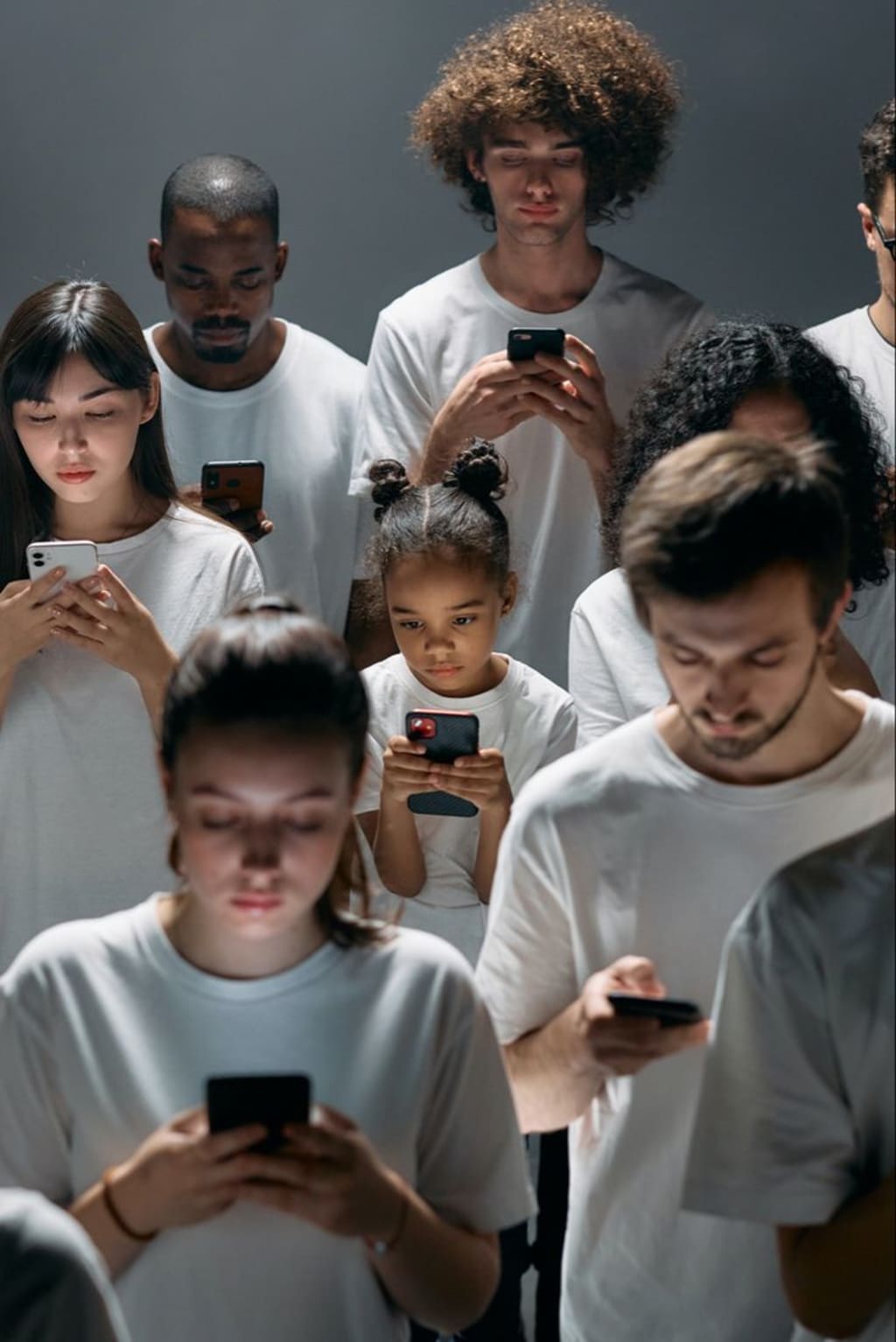
In today’s fast-paced world, smartphones have become essential tools for communication, navigation, learning, and entertainment. But with every swipe, tap, and notification, more people—especially teenagers and young adults—are finding it harder to put their phones down. What started as a convenience has turned into a compulsion. We’re no longer just using our phones; we’re being used by them.
Phone addiction is not officially classified as a medical condition yet, but experts and psychologists agree that excessive smartphone use shows clear signs of behavioral addiction. People feel anxious without their phones, compulsively check them without reason, and prioritize screen time over real-life interactions. The question is: why are phones so addicting—and what can we do about it?
The Psychology Behind the Screen
Smartphones are carefully designed to be irresistible. The bright colors, endless scrolls, and instant feedback are not accidental. These features are based on the science of behavioral psychology, specifically targeting the brain’s dopamine system—the part responsible for pleasure and reward.
Every time you receive a notification, a like, or a message, your brain releases a small amount of dopamine, making you feel good. This reward cycle reinforces the behavior. Just like slot machines in a casino, apps like Instagram, TikTok, and YouTube are built on variable rewards—you never know what you’re going to get, so you keep scrolling.
Moreover, the fear of missing out (FOMO), the need for validation, and the desire to stay connected all fuel this addictive cycle. Social media platforms use powerful algorithms that track your interests and feed you content you’re more likely to engage with—keeping you online longer and craving more.
Warning Signs of Phone Addiction
Phone addiction doesn’t happen overnight. It starts with harmless habits—checking your phone first thing in the morning, scrolling through social media during meals, replying to texts late at night. But over time, it can lead to:
Anxiety when the phone is not nearby
Sleep disturbances due to late-night screen use
Reduced attention span and focus
Withdrawal from real-life relationships
Neglect of responsibilities like schoolwork or work tasks
According to recent studies, the average person checks their phone 96 times a day—once every 10 minutes. Teenagers, in particular, spend over 7 hours a day on screens, not counting time spent on school or homework.
The Impact on Mental Health and Daily Life
Phone addiction doesn’t just affect screen time—it affects your mind, body, and relationships. Excessive use has been linked to increased rates of anxiety, depression, loneliness, and low self-esteem, especially among teenagers constantly comparing themselves to curated images online.
Sleep is another major casualty. The blue light emitted by screens suppresses melatonin, the hormone that regulates sleep. People who use their phones in bed tend to fall asleep later and sleep more poorly. This in turn affects mood, concentration, and productivity during the day.
Relationships also suffer. Many people report feeling ignored or undervalued when their loved ones are glued to their screens. A conversation interrupted by a phone check sends a silent but powerful message: “This device is more important than you.”
Why We Keep Coming Back
Unlike addictions to substances like drugs or alcohol, smartphone addiction is socially accepted—even encouraged. You’re expected to reply instantly to texts, keep up with group chats, and maintain your online presence. Apps are designed to make you feel like you're falling behind if you're not constantly checking in.
The addictiveness of phones also lies in their multipurpose use. They’re not just communication tools—they’re cameras, calendars, alarm clocks, shopping malls, gaming devices, and more. You pick up your phone to reply to a message, but 45 minutes later you’re still scrolling through TikTok or watching YouTube shorts. The line between intentional use and automatic habit blurs very quickly.
Breaking Free: Steps Toward Balance
The good news is, phone addiction can be managed. It starts with awareness and small but intentional changes:
Track your screen time
Use built-in tools or apps to monitor how much time you're spending on your phone and where.
Set screen limits
Use app timers or enable "Downtime" settings during certain hours of the day.
Create phone-free zones
Avoid bringing your phone to the dinner table, the bathroom, or your bed.
Turn off non-essential notifications
Silence alerts that constantly pull you back into your phone.
Replace screen time with real-life activities
Read a book, go for a walk, play a sport, or talk to a friend face-to-face.
Try a digital detox
Take a break from social media or go offline for a day or weekend.
Breaking the habit isn’t about giving up your phone entirely. It’s about reclaiming control. Technology should serve you—not the other way around.
Conclusion: Reclaiming Our Attention
Smartphones are incredible inventions. They connect us, inform us, and entertain us. But they can also consume us if we’re not careful. Phone addiction is real, and it’s affecting how we think, feel, and live.
By recognizing the signs, understanding the science behind addictability, and making conscious choices, we can build a healthier relationship with our devices. It’s not about being anti-technology—it’s about being pro-attention, pro-mindfulness, and pro-human.
Because the most powerful app we have is still our own mind—and it's time we looked up and started using it.
About the Creator
Hasnain khan
"Exploring the world through words. Join me as I unravel fascinating stories, share insightful perspectives, and dive into the depths of curiosity."
Keep reading
More stories from Hasnain khan and writers in Earth and other communities.
Our Evolutionary Story"
Introduction: A Story Written in Bones and DNA The story of human evolution is not just about bones in a desert or fossils in a cave—it’s the epic journey of how we became who we are today. From tree-dwelling primates to space explorers, the path of human evolution spans millions of years, shaped by survival, environment, and the remarkable ability to adapt. This journey, backed by evidence from anthropology, genetics, and archaeology, reveals how humans evolved from simple organisms into the dominant species on Earth.
By Hasnain khan8 months ago in Humans
Sacred Words in a City of War
The night sky over the Gaza City was never truly dark anymore. Even after sunset, the horizon glowed faintly with the light of distant fires and explosions. Buildings that once held families, laughter, and ordinary life had become broken shadows of concrete and dust.
By Truth words a day ago in Earth
The BAFTA Awards
By now, in a stunning departure from recent years, most of the world is aware of what happened at the BAFTA film awards. Social Media Headlines will tell you the bare bones: that John Davidson, a Tourette's Syndrome advocate, shouted a racial slur at two Actors of Colour, Michael B Jordan and Delroy Lindo.
By Natasja Rose3 days ago in Psyche


Comments
There are no comments for this story
Be the first to respond and start the conversation.