
The Day the Ocean Turned Black
When a hidden volcano rose from the depths, the sea became a deadly shadow.

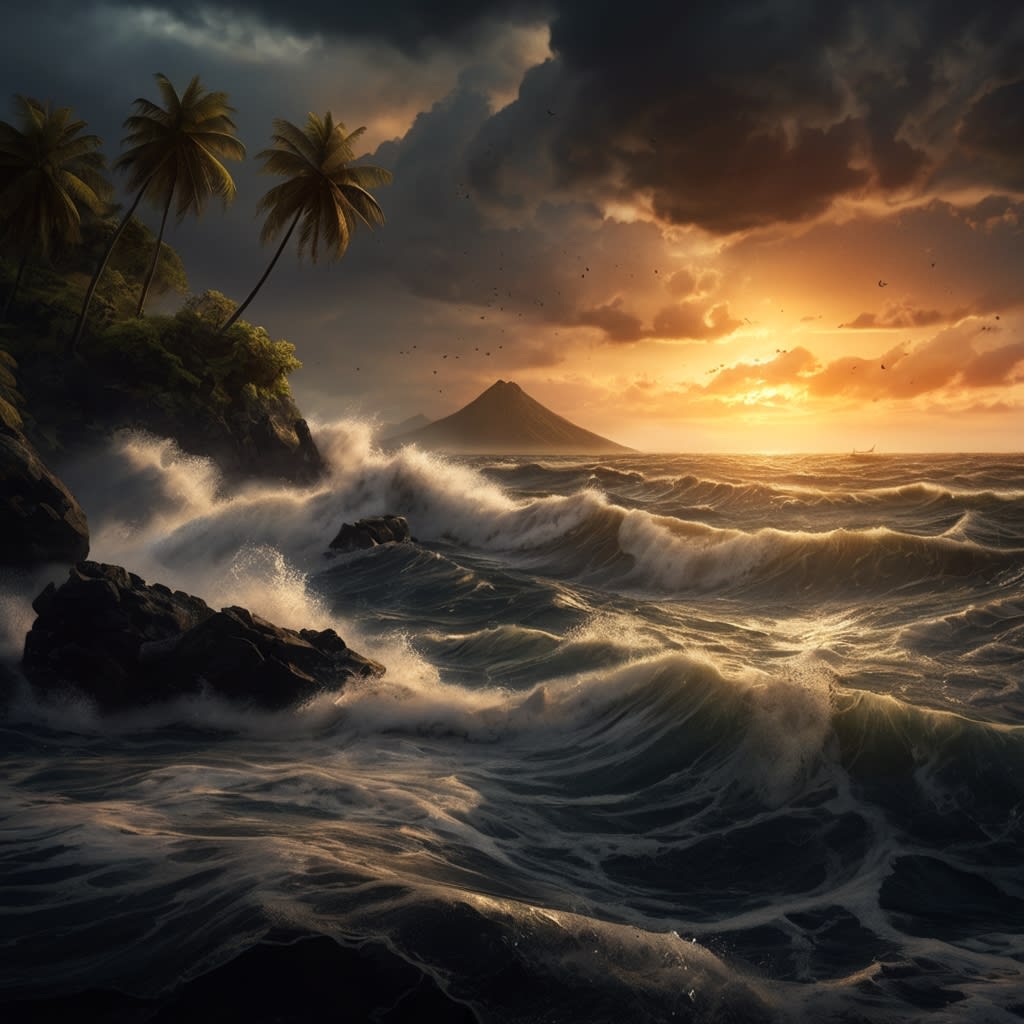
Every year, more than 350 million gallons of oil and other pollutants end up in our oceans, but sometimes, nature itself can unleash an even more terrifying disaster—one that turns the sea into a dark, suffocating abyss.It began like any other summer morning along the coast of a small fishing town in the South Pacific. The sky was a pale gold, gulls wheeled overhead, and the water shimmered under the rising sun. Families strolled along the shore, fishermen checked their nets, and surfers paddled out to catch early waves.
But within hours, everything changed.
The ocean’s crystal-blue surface began to cloud. At first, it looked like a thin shadow spreading under the waves—maybe a passing storm cloud reflected in the water. But as the day went on, the color deepened to a heavy, inky black. By noon, the entire bay had transformed into a churning sea of darkness.
The smell came next—thick, sulfurous, almost metallic. Fish floated to the surface, gasping. Seabirds circled low, confused and distressed. The tide brought the black water closer to shore, staining the sand and leaving behind streaks that looked like spilled oil.
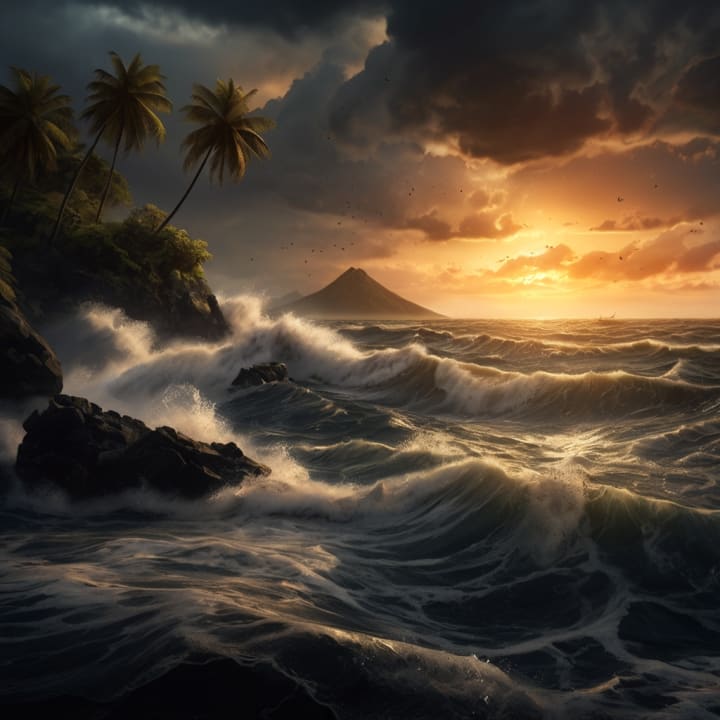
At first, people feared it was an oil spill from a passing cargo ship. But local authorities quickly ruled that out—there were no nearby tankers, and the “oil” wasn’t slick to the touch. Instead, it was warm, almost hot, and left a faint residue on skin.
Scientists were called in, and what they discovered shocked even the most experienced marine experts: the black water was the result of a submarine volcanic eruption more than 20 miles offshore.
Beneath the waves, a volcano had awakened after centuries of silence, spewing molten rock, ash, and vast clouds of microscopic volcanic glass into the water. The eruption released massive amounts of iron and other minerals, creating the black, opaque color. The sudden change in temperature and chemistry caused a deadly chain reaction—oxygen levels in the water plummeted, suffocating marine life in minutes.
For the people of the town, the effects were immediate and devastating. Fishing boats returned empty. Beaches were deserted. The smell of death—of fish, sea turtles, and even dolphins—hung over the coastline.
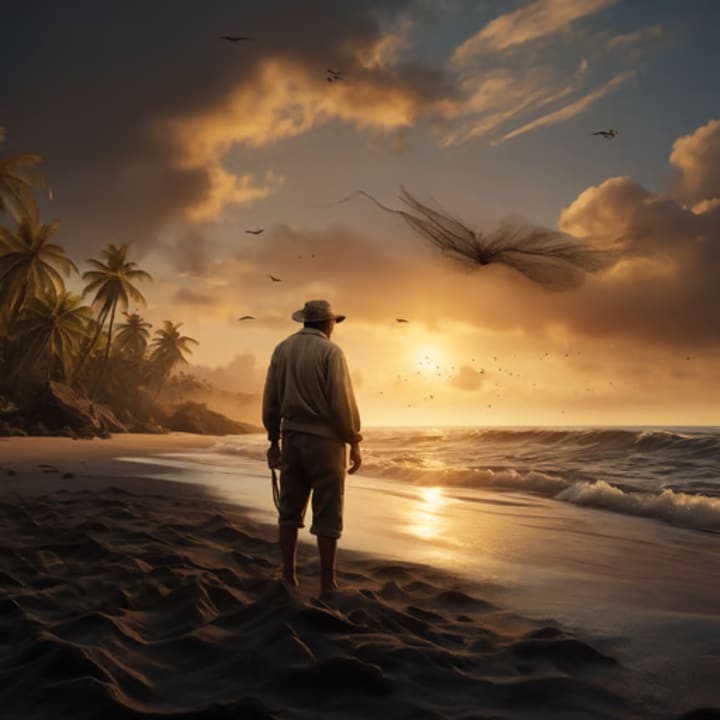
Maria Santos, a local fisherwoman, described the scene through tears:
“I’ve been on this water my whole life. I know every color, every mood of the sea. But that day, it felt like the ocean was… dying. Like it was saying goodbye.”
The black tide lingered for days. Waves coated in ash slammed against the rocks. Scientists wore protective suits to collect samples, knowing that the fine volcanic particles could cut into lung tissue if inhaled.
News crews from around the world arrived, capturing surreal images: surfers carrying boards past blackened waves, children staring at the horizon as if watching the end of the world.
Eventually, the eruption subsided, and the ocean slowly began to return to its usual hue. But the ecosystem was forever changed. Coral reefs near the eruption site were buried under layers of ash. Entire fish populations vanished. The fishermen, once proud providers for the town, were left without income for months.
And yet, in the devastation, scientists found a strange glimmer of hope. Volcanic eruptions, while destructive, can also fertilize the ocean. The iron-rich ash can spark massive plankton blooms—tiny plants that form the base of the marine food chain. In time, these blooms could bring life back to the damaged waters.
It was a reminder that nature’s most terrifying moments can also be part of its cycle of renewal. The black ocean was not a permanent death, but a violent transformation.
The day the ocean turned black became a lesson in humility for everyone who witnessed it. Nature is not fragile—it is powerful, unpredictable, and indifferent to human plans. But it is also capable of recovery if given the chance.
If we want to protect our oceans from human-made threats, we must respect their natural forces and give them the space to heal.
Support marine conservation efforts.
Reduce pollution and waste.
Educate others about the delicate balance of marine ecosystems.
The sea may turn black again someday—whether by human hands or nature’s own fury. But what matters is how prepared we are to face it, and whether we choose to protect it before it’s too late.
About the Creator
Dani khan
Hi, I’m Dani Khan! 🌟 I share cool facts, life tips, and inspiring ideas. Follow me to learn, grow, and stay curious every day! 📚✨ #StayCurious #DaniKhan
please hit the subscribe for more
When the Shelter Closes
Across the street from my house, a man slept under a tree, his dog by his side. My first, naive thought: he must be traveling through. But he kept coming back, often sleeping there during the day. Then it hit me—that person might not have a home.
By Bride of Sound6 days ago in Humans



Comments
There are no comments for this story
Be the first to respond and start the conversation.