
The Darvaza Crater: The Gateway to Burning Pit in Turkmenistan
Phenomenal Accident

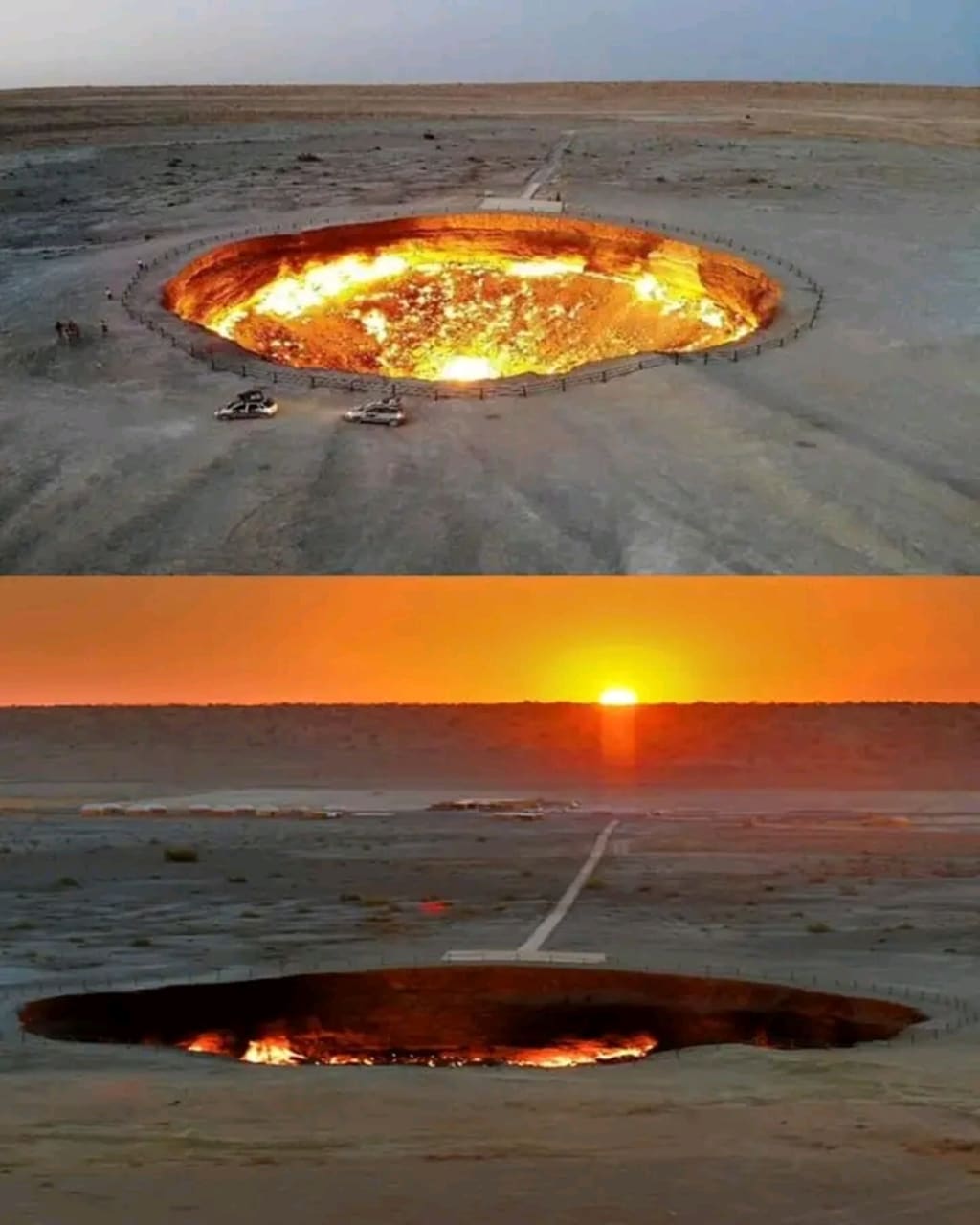
Deep in the Karakum Desert of Turkmenistan lies a fiery phenomenon that has captivated adventurers, scientists, and tourists for over five decades. Known as the Darvaza Crater, or more "ive burning crater is a testament to the unpredictable intersection of human activity and nature. A bizarre accident turned natural gas well has now become one of the most extraordinary and surreal attractions in the world.
The Origins of the Crater: A Fiery Accident
The story of the Darvaza Crater began in 1971 during a Soviet-era exploration of natural gas reserves. The region, rich in natural resources, attracted geologists searching for lucrative gas deposits beneath the barren desert sands. While drilling, they inadvertently struck a subterranean cavern filled with natural gas.
The unexpected discovery caused the ground to collapse, creating a massive crater approximately 69 meters (226 feet) wide and 30 meters (98 feet) deep. The collapse released a significant amount of methane gas into the atmosphere, posing an immediate threat to the environment and nearby villages.
To mitigate the risk, the geologists decided to set the gas alight, assuming it would burn out within a matter of days. However, they underestimated the sheer volume of gas trapped beneath the surface. Over 50 years later, the fire continues to rage, making the Darvaza Crater one of the longest-burning human-made fires on Earth.
A Portal of Flames in the Desert
The Darvaza Crater is an otherworldly sight, especially at night. The flames rise from the depths, illuminating the desert with a haunting orange glow. The constant heat radiating from the crater creates an environment unlike anything else in the world, with a distinct sulfuric smell permeating the air.
For locals, the crater has become a source of mystery and awe. Dubbed the "Door to Hell," it embodies the desert's unforgiving nature and the unintended consequences of human intervention.
A Tourist Magnet in a Remote Landscape
Despite its remote location in the Karakum Desert, the Darvaza Crater has become a popular tourist destination. Adventurous travelers venture through miles of arid terrain to witness the blazing crater firsthand.
Visitors often describe the experience as surreal. Standing at the edge of the crater, the intense heat is palpable, and the roar of the flames creates an eerie, almost primeval atmosphere. It’s no wonder that the Darvaza Crater has become an iconic spot for photographers, with its stark contrast between fire and desert making for dramatic images.
Local tour operators have embraced the crater as a key attraction. Campsites have sprung up around the area, offering stargazing and desert excursions alongside visits to the fiery pit. The crater has become symbolic of Turkmenistan's rugged and unique allure, drawing travelers from around the globe.
Scientific and Environmental Implications
While the Darvaza Crater is a visual spectacle, it also raises significant environmental and scientific concerns. The continuous burning of methane gas contributes to greenhouse gas emissions, exacerbating global warming. Methane is a potent greenhouse gas, and while the crater’s emissions are minimal compared to industrial sources, the symbolic message of such waste is undeniable.
Scientists and environmentalists have expressed interest in studying the site to better understand the long-term impacts of such fires and explore potential ways to extinguish or utilize the gas. However, the Turkmen government has been hesitant to interfere, given the site's cultural and tourist significance.
A Symbol of Turkmenistan
For Turkmenistan, the Darvaza Crater has become a peculiar symbol of national identity. The country is home to some of the world's largest natural gas reserves, and the crater serves as a fiery reminder of its energy wealth.
In recent years, the government has promoted the crater as part of its tourism strategy, despite the logistical challenges of reaching the remote location. The President of Turkmenistan, Gurbanguly Berdimuhamedow, even filmed a dramatic stunt in which he drove a rally car around the crater to showcase the nation’s adventurous spirit.
However, balancing the site's touristic appeal with environmental responsibility remains a challenge for the Turkmen authorities.
Future of the Crater
The future of the Darvaza Crater remains uncertain. Some have proposed extinguishing the flames and sealing the site to reduce its environmental impact, while others argue for its preservation as a natural wonder and tourist attraction.
Technological solutions could potentially cap the gas flow or utilize it for energy production, but such efforts would require significant investment and international collaboration. For now, the crater continues to burn, offering a mesmerizing, if slightly unsettling, spectacle for those who visit.
Visiting "
For those brave enough to journey into the Karakum Desert, visiting the Darvaza Crater is an unforgettable experience. The best time to visit is during the evening, when the flames are at their most vivid against the night sky.
Travelers often camp nearby, enjoying the desert’s tranquility and clear skies before approaching the crater. The site is both awe-inspiring and humbling, a stark reminder of humanity's power to shape—and sometimes mismanage—the natural world.
A Fiery Legacy
The Darvaza Crater is more than just a geological curiosity; it is a story of ambition, miscalculation, and unintended consequences. What began as a Soviet-era drilling operation has transformed into one of the world's most unusual and iconic landmarks.
Its flames, dancing ceaselessly against the desert backdrop, serve as a metaphor for the balance between human progress and nature’s unpredictability. Whether viewed as a cautionary tale or a marvel of accidental creation, the Darvaza Crater continues to captivate all who encounter it, a blazing gateway to the mysteries of the earth.
About the Creator
Keep reading
More stories from Deji Akomolafe and writers in Earth and other communities.
Monte Roraima: The Mysterious Oldest Place on Earth
Rising majestically above the dense forests of Venezuela, Monte Roraima is one of the world’s most enigmatic natural wonders. This awe-inspiring table-top mountain, or "tepui," is not only renowned for its striking appearance but also for its status as one of the oldest geological formations on Earth. Its flat summit, sheer cliffs, and otherworldly features have captivated explorers, scientists, and adventurers for centuries. Despite being studied for more than 500 years, Monte Roraima continues to guard its secrets, leaving geologists and biologists alike in awe of its unique beauty and mysterious origins.
By Deji Akomolafeabout a year ago in Earth
Old Red Cedar
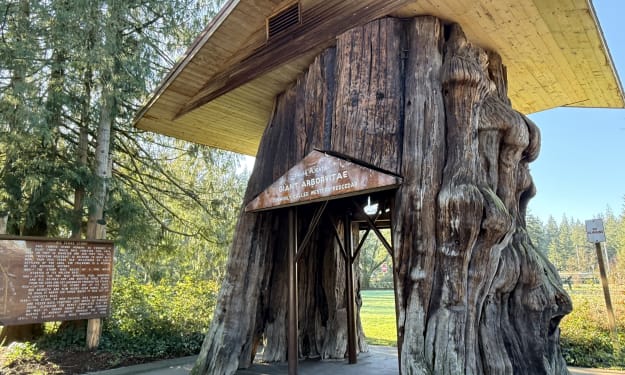
Western red cedar, over 1000 years old, you grew for 200 years and towered over others, silently observing sights in the forest that are no more, your secrets buried within your spirit. The bark covering your tree trunk, said to be about 23 feet around, was hollow when men discovered you. Inside the hollow trunk, a fire somehow began; you cannot tell us when, how, or why, and there is no record of it. The fire caused your death. Slowly, you died, from the inside out. Such a sad loss for an old soul of the forest, with centuries of knowledge in its cells. Houses, watercraft, shingles, bowls, bows and arrows, and paper that men used to write what they knew of your history could have been made from your body, branches, and bark. Truly, fire was a better death for you than a logger’s saw.
By Andrea Corwin about 6 hours ago in Earth
Severe Geomagnetic Storm Could Bring Northern Lights Across Much of the U.S.
On Monday evening, skywatchers from the Pacific Northwest to the Midwest got ready for something out of the ordinary: a celestial display that typically occurs at high northern latitudes. Americans who provide forecasts as a powerful cloud of charged particles from the sun accelerates toward the Earth's magnetic field, the National Oceanic and Atmospheric Administration (NOAA) has issued a "G4 (Severe) geomagnetic storm watch."
By Raviha Imrana day ago in Earth



Comments
There are no comments for this story
Be the first to respond and start the conversation.