
The Crucial Role of Ecotourism in Environmental Conservation
Ecotourism, a symbol of hope for the environment and the travel industry in a world dealing with the grave effects of climate change and loss of habitat


Ecotourism has become a symbol of hope for the environment and the travel industry in a world dealing with the grave effects of climate change and loss of habitat. ecotourism is defined by ethical and responsible travel to natural regions. In addition to rich experiences the visitors enjoy, it is essential for preserving and safeguarding the environment. This article explores the crucial part ecotourism plays in protecting our priceless natural environments.
Preserving Biodiversity:
Ecotourism is very effective in promoting biodiversity conservation. Visitors, exploring rich natural environments, are comparatively more aware about the importance of nature and wildlife and appreciate its diversity. This increased knowledge often results in support for conservation initiatives as tourists become ardent defenders of these vulnerable habitats.
So, ecotourism has great potential to create awareness and turn the visitors into advocates of the environment and planet earth.
Many ecotourism destinations are located in ecologically sensitive areas, prompting local authorities and communities to establish safeguards that limit human impact, thus fostering the survival of native species.
Economic Incentives for Conservation:
Ecotourism has established itself as a potent economic driver of environmental preservation. Communities living close to ecotourism destinations mostly rely on the natural resources for their livelihoods.
By promoting responsible tourism practices, these communities can generate income while simultaneously preserving their surroundings.
Given the financial value of the intact environment, this economic benefit serves as a deterrent against destructive practices like overfishing and deforestation.
Participation and Empowerment of the Community:
Successful ecotourism projects involve the local population, empowering them to take an active role in environmental preservation. Locals are more likely to stop unlawful poaching, habitat degradation, and pollution when they care about preserving their natural environment.
These communities promote a sense of pride and ownership by imparting their knowledge and culture to tourists, which results in long-term conservation efforts that go beyond tourism-related activities.
Raising Environmental Awareness:
Ecotourism serves as a potent tool for raising environmental awareness on a global scale. Tourists who experience the wonders of nature firsthand are more inclined to support conservation measures and sustainable practices in their everyday lives.
Through guided tours and educational programs, visitors gain insights into the intricate relationships within ecosystems, appreciating the delicate balance that must be maintained to ensure their survival. This newfound understanding often motivates them to make environmentally conscious choices back home.
Funding Conservation Initiatives:
The revenue generated from ecotourism can be directly funneled into conservation initiatives. Entrance fees, guided tours, and accommodations contribute to funds that are allocated for habitat restoration, wildlife protection, and research projects.
Many conservation organizations partner with ecotourism operators to channel these funds effectively. This financial support enables scientists and conservationists to conduct crucial research and implement strategies that eliminate the impact of human activities on the environment.
Balancing Tourism and Conservation:
Despite its numerous benefits, ecotourism also faces challenges in maintaining a delicate balance between tourist activities and conservation efforts. Overcrowding, improper waste disposal, and habitat disturbance are risks that need to be carefully managed. Regulations, such as visitor quotas and designated trails, are essential to minimize the ecological footprint of tourism.
In addition, continual monitoring and adaptive management are also essential to guarantee that ecotourism yields positive results outweighing its negative impact.
So, ecotourism stands out as a ray of hope for long-term conservation efforts as the world navigates the challenges of environmental deterioration and climate change. Ecotourism shows the potent synergy between responsible travel and environmental conservation by promoting biodiversity preservation, empowering local communities, spreading awareness worldwide, and funding important programs.
As travelers seek meaningful and impactful experiences, the role of ecotourism in safeguarding our planet's natural wonders remains more crucial than ever before.
About the Creator
Yateen Jakati
A science graduate and passionate about science, technology and environment. Like Indian classical music.
https://www.facebook.com/yateen.jakati.5
Keep reading
More stories from Yateen Jakati and writers in Earth and other communities.
Minister Claims 'Sabotage' Behind Chagos Debate Delay
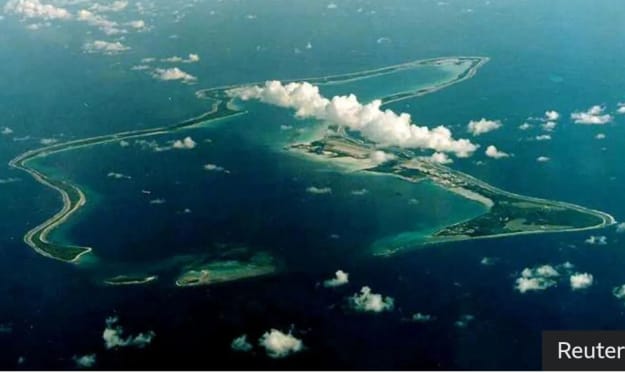
The Controversial Chagos Debate The debate over the Chagos Islands, a British Overseas Territory in the Indian Ocean, has been a contentious issue for decades. The islands, home to the Chagossian people, were evacuated in the 1960s and 1970s to make way for a US military base on Diego Garcia. Recent parliamentary sessions aimed to address ongoing claims for resettlement, compensation, and sovereignty, but the discussion has reportedly been delayed under unusual circumstances. According to a statement from a UK minister, the delay may not be procedural but deliberate “sabotage”, designed to prevent timely debate on this long-standing issue. What the Minister Said In a recent press conference, the minister emphasized that the parliamentary delay is unusual and suspicious. While refusing to name specific individuals, the official suggested that political interests or external pressures may have influenced the postponement. The minister stated: “We are aware of actions that have undermined the scheduling of this debate. We will not allow the voices of the Chagossian people to be ignored.” This strong language has sparked both media attention and political discussion, highlighting the sensitivity of the Chagos issue on national and international levels. Historical Context of the Chagos Islands Understanding the delay requires some historical context: The Chagossians were forcibly removed from their homeland between 1968 and 1973. The islands were leased to the United States for a military base, primarily on Diego Garcia. Legal battles and UN resolutions have since called for the right of the Chagossians to return and compensation for lost property. These historical grievances have made the islands a symbol of colonial legacy and human rights struggles, intensifying the political significance of any parliamentary debate. Political Ramifications The minister’s accusation of sabotage has sparked political debate: Opposition parties have demanded a transparent investigation into the delay. Advocacy groups for the Chagossian people have condemned the postponement as further marginalization of a historically displaced community. Analysts suggest the delay may be related to diplomatic sensitivities, as the UK maintains a strategic partnership with the United States, particularly regarding military operations on Diego Garcia. The controversy reflects a tension between human rights advocacy and geopolitical strategy, a balancing act often faced in foreign policy decisions. Reactions from the Chagossian Community The Chagossian diaspora, largely based in Mauritius and the UK, has reacted strongly to the minister’s statement: Many activists see the delay as evidence of continued neglect by the British government. Social media campaigns have called for immediate debate and restitution. Community leaders emphasize that Chagossians deserve transparency, timely action, and recognition of their rights. These responses highlight how the delay has directly affected community morale and advocacy efforts, amplifying calls for accountability. International Implications The Chagos Islands dispute is not only a domestic issue; it has international dimensions: The United Nations General Assembly has repeatedly urged the UK to return the islands to Mauritius. France and other nations have monitored the situation due to strategic interests in the Indian Ocean. The accusation of sabotage may influence diplomatic relations if it suggests internal political maneuvering is hindering compliance with international recommendations. Observers warn that the handling of this debate could have long-term consequences for the UK’s global reputation and human rights credibility. Parliamentary Procedures and Challenges Delays in parliamentary debates can occur for a variety of reasons, but accusations of deliberate sabotage suggest intentional interference. Challenges include: Scheduling conflicts and procedural backlog Political disagreements between parties Influence from external lobbyists or diplomatic pressures Experts emphasize the importance of parliamentary transparency and adherence to democratic norms, particularly when the matter involves historically displaced populations and international scrutiny. Importance of Accountability This controversy underscores the need for government accountability and transparency: Timely debates are essential for upholding the rights of marginalized communities. Parliamentary delays, whether intentional or procedural, can erode public trust. Clear communication regarding causes of delays can mitigate political fallout and misinformation. Advocates argue that maintaining procedural integrity is a matter of both domestic governance and international responsibility. Future Steps and Expectations The minister has indicated that further measures will be taken to ensure the debate proceeds without additional obstruction. Expected steps include: Investigation into the causes of the delay Engagement with Chagossian representatives to understand their concerns Coordinated efforts to address both domestic and international expectations If handled effectively, these steps may restore confidence in the government’s commitment to resolving this long-standing issue. Conclusion The recent accusation of sabotage surrounding the Chagos debate delay highlights the intersection of human rights, political strategy, and international diplomacy. As the UK government navigates these complexities, attention remains on ensuring that the voices of the Chagossian people are heard and that parliamentary processes maintain transparency and accountability. How the situation unfolds will not only impact domestic politics but also signal the UK’s stance on historical injustices and international law compliance. For the Chagossian community and global observers, timely resolution and action are critical to restoring trust and advancing justice.
By Aarif Lashari7 days ago in Earth


Comments
There are no comments for this story
Be the first to respond and start the conversation.