
The Coldest Flowers: How Plants Bloom in Ice, Snow, and Arctic Winds
When beauty blossoms in the most unforgiving places on Earth.

Arctic Poppy: The Flower That Follows the Midnight Sun
In the icy tundras of the Arctic, where temperatures often stay below freezing and sunlight is limited to a few months per year, the Arctic poppy (Papaver radicatum) manages to bloom. It grows low to the ground to avoid wind exposure, and its stem moves to track the sun across the sky — a survival strategy called heliotropism.
Its petals act like a solar panel, collecting warmth and light to increase the temperature inside the flower, which helps attract pollinators like flies and bees in the short summer. It completes its entire life cycle in just a few weeks, making the most of the tiny window of warmth. The Arctic poppy shows that even in near-permanent cold, life can adapt with elegance and speed.
Snow Buttercup: Blooming Through Melting Ice
In the high elevations of the Rocky Mountains, the snow buttercup (Ranunculus adoneus) pushes its way through snowdrifts. What’s astonishing is that this flower germinates and blooms while surrounded by snow — a rare feat in the plant kingdom.
Its flowers are cup-shaped and reflect sunlight toward the center, warming the reproductive parts of the plant. This creates a microclimate inside the bloom that protects pollen from freezing and attracts early pollinators.
By blooming as early as possible — sometimes even before snow fully melts — the snow buttercup gains a head start on limited seasonal resources. This smart timing helps it outcompete other plants in short alpine summers.
Purple Saxifrage: Among the Hardiest Flowering Plants on Earth
The purple saxifrage (Saxifraga oppositifolia) is a small flowering plant found in Arctic tundra and high mountain areas. It grows in some of the coldest places on Earth, including parts of northern Greenland and Ellesmere Island.
This plant hugs the ground tightly, forming dense mats that retain warmth. Its vivid purple flowers emerge early in the season, and it uses tiny hairs on its leaves to reduce moisture loss caused by icy winds.
It’s so hardy that it’s often one of the first plants to bloom during Arctic spring, and it can tolerate snow, frost, and months of darkness. It’s not just surviving — it’s thriving in what many would consider uninhabitable.
Pasqueflower: Fur-Covered Blooms for Warmth
The Pasqueflower (Pulsatilla patens) blooms in early spring, often before the snow has fully melted. Found in cold climates like the Northern US, Canada, and parts of Siberia, this plant is covered in fine white hairs that serve multiple functions.
The hairs insulate the plant against cold winds, reduce water loss, and protect delicate tissues from frost. Even the flower buds are fuzzy, helping the plant retain heat from sunlight.
It has a clever blooming schedule — often flowering while temperatures are still near freezing, allowing it to complete pollination and seed production before other plants have even emerged. It’s a soft-looking flower with serious survival skills.
Glacier Lily: The Specialist of Melting Snowbanks
The glacier lily (Erythronium grandiflorum) gets its name from its habitat — melting snowbanks in high mountains. As snow retreats in spring, this bright yellow flower appears, often poking through fresh snow in places like the Rockies and Cascades.
Glacier lilies grow from bulbs that store nutrients underground. These bulbs sense the changing temperature and moisture from melting snow, which signals the right time to sprout. The plant grows quickly, racing against time before the short summer ends.
They are a key food source for bears, deer, and rodents just emerging from hibernation, and their blooming marks the start of the alpine growing season.
Edelweiss: The Star of the Snow-Capped Alps
The Edelweiss (Leontopodium alpinum) is famous for its role in folklore and songs, but few people realize it’s also a cold-tolerant plant adapted to high altitudes.
Growing at elevations of 1,800–3,000 meters in the Alps, the Edelweiss has thick, woolly leaves and flowers covered in dense white hairs. These hairs reflect UV radiation and help reduce moisture loss, making it well-suited to dry, sun-exposed mountain slopes.
Its star-shaped flowers aren't just beautiful — they’re built for survival, enabling Edelweiss to grow where many other plants would wither. It’s both a cultural icon and a botanical marvel.
Cushion Plants: The Warmest Flowers in the Coldest Places
Rather than a single species, cushion plants are a group of flowering plants that grow in tight, dome-shaped clusters — like living pillows. These include species of azorella, silene, and moss campion.
This shape is more than just cute. The compact form traps warm air, reducing wind chill and creating a microhabitat where temperatures can be several degrees warmer than the surrounding air. This allows them to survive and flower in Antarctic, Arctic, and alpine zones.
By creating their own warm pocket in the cold, cushion plants show how form can shape survival.
Community
We often associate flowers with warmth, sun, and gentle spring breezes — but nature has no such limitations. The flowers in this list don’t just survive the cold; they conquer it with chemistry, timing, and design.
From petals that act like solar heaters to plants that bloom in snowdrifts, these cold-weather survivors are a reminder that beauty doesn’t need perfect conditions to bloom. In fact, some of the most remarkable flowers grow where no one expects them to.
If this article gave you a new appreciation for the hidden toughness of flowers, share it with someone who thinks fragility and strength can’t coexist.
Because nature says otherwise — again and again.
About the Creator
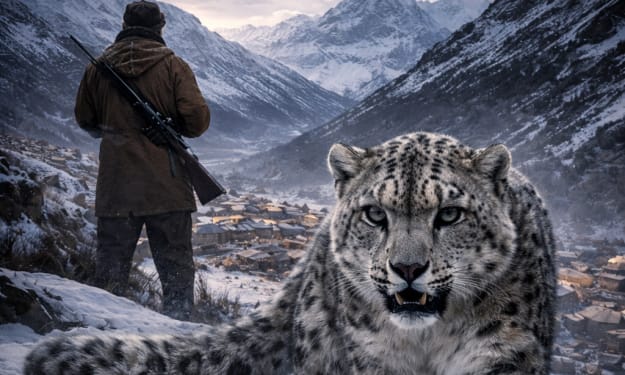
Human Revenge: A Hidden Cause Behind the Decline of Snow Leopards
High in the rugged mountains of Central and South Asia lives one of the world’s most mysterious and beautiful big cats—the snow leopard. Known for its thick grey-white fur, long tail, and incredible ability to blend into rocky landscapes, this elusive predator has fascinated scientists and wildlife lovers for decades. Yet despite its beauty and ecological importance, the snow leopard faces a growing threat: human revenge.
By Irshad Abbasi 7 days ago in Earth



Comments
There are no comments for this story
Be the first to respond and start the conversation.