
The Bird That Sings Chainsaws And Car Alarms
Australia's lyrebird can imitate almost any sound, from natural calls to mechanical noises

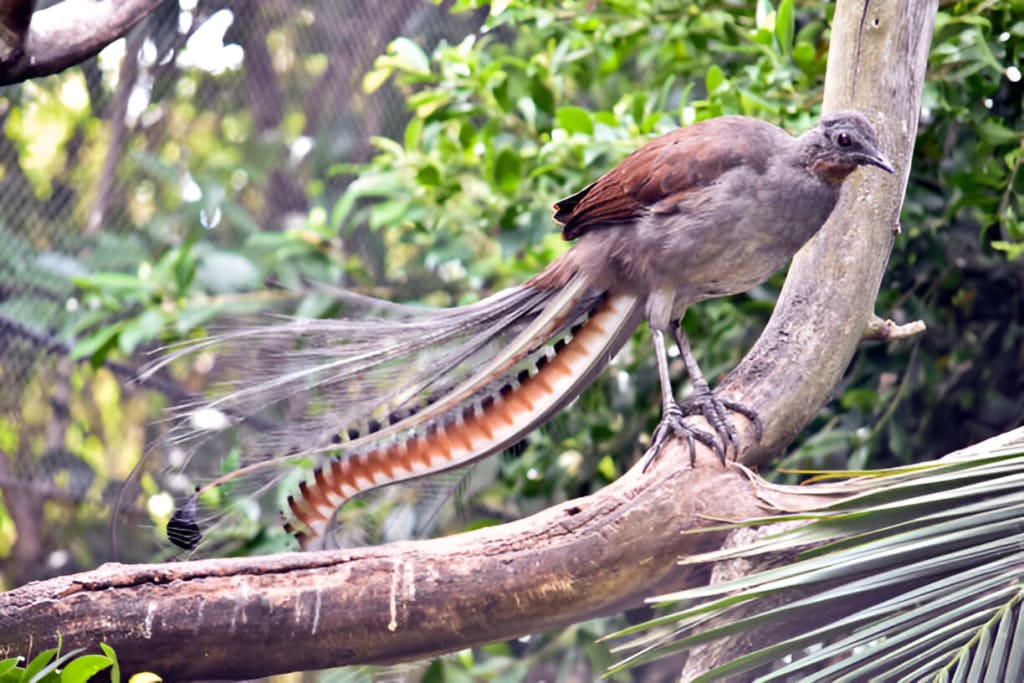
The Australian forest is alive with sound. Birds call to each other in melodic harmony, leaves rustle under the weight of unseen creatures, and then—out of nowhere—the unmistakable buzz of a chainsaw cuts through the air. It sounds real enough to make you freeze. But there is no lumberjack. No machine. Just a single bird, feathers fanned out in a mesmerizing display, mimicking every sound around it with eerie precision. This is the lyrebird, nature’s most gifted impressionist.
Among all creatures, few possess the lyrebird’s uncanny ability to imitate the world it inhabits. This feathered maestro doesn’t just echo the songs of other birds—it borrows from the modern world too. Car alarms, camera shutters, even the mechanical hum of construction sites—nothing is off-limits. The accuracy is so mind-bending that it makes you wonder what else these birds might be learning. If you didn’t know better, you’d swear you were standing in the middle of a city rather than deep in the wilderness.
There’s a reason for this bizarre talent. Lyrebirds, especially males, are show-offs in the best way possible. Their mimicry isn’t random; it’s part of an elaborate performance meant to woo potential mates. The more complex and varied their repertoire, the more impressive they appear. A male lyrebird doesn’t just sing—he creates an entire symphony, blending natural and man-made sounds into an unforgettable concert. And it works. The most skilled performers attract the most attention, securing their place in the next generation of mimicry masters.
But how does a bird pull off such an impeccable illusion? The secret lies in its syrinx, an avian vocal organ so sophisticated that it outclasses the human voice box. While many birds can chirp or whistle, the lyrebird manipulates pitch, tone, and rhythm with such finesse that even experts are fooled. Recordings of lyrebirds have left scientists and birdwatchers stunned, unable to distinguish their sounds from the real thing.
It’s not just fascinating—it’s a testament to how nature adapts. In forests where chainsaws and human activity are common, lyrebirds integrate these new sounds into their vocabulary. Whether this is an evolutionary quirk or a survival tactic is still debated, but one thing is certain: these birds are always listening, always learning. Their world is changing, and they are keeping up in ways no one could have predicted.
While the lyrebird’s talent is extraordinary, it also serves as a reminder of human impact on the natural world. When the sounds of the forest include car horns and machinery, it’s a sign that wilderness is shrinking. These birds reflect the environments they live in, and if their songs are shifting, it means their habitats are too. Their ability to adapt is remarkable, but it also raises questions. What happens when the sounds they imitate are no longer natural? Will the next generation of lyrebirds be singing a soundtrack of urban sprawl rather than the calls of the wild?
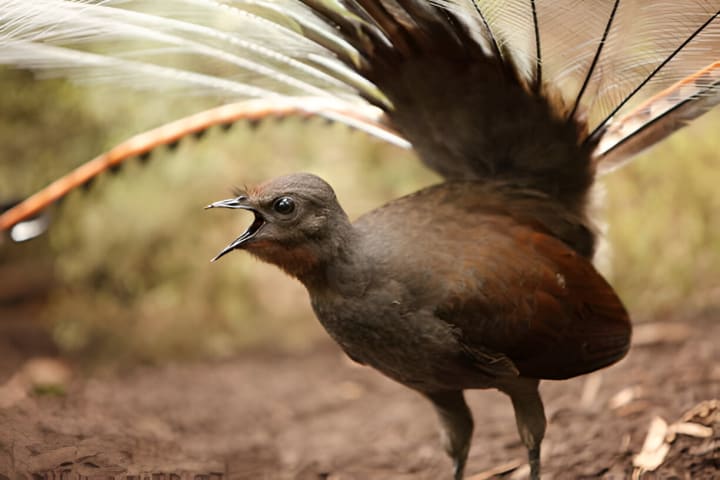
If you ever have the chance to witness this spectacle in person, it’s worth the effort. Australia’s national parks and reserves are home to these incredible birds, and seeing them perform their vocal trickery firsthand is unforgettable. Their presence in the wild is a gift, a living echo of nature’s resilience.
Speaking of adaptability, there’s a lesson in the lyrebird’s ability to evolve with its surroundings. The modern world is fast-moving, and the key to thriving isn’t just survival—it’s learning to embrace change. This principle applies everywhere, from nature to personal success. Those who master the art of adaptation find themselves ahead of the game. Whether it’s developing new skills or tapping into proven strategies, staying relevant means staying flexible.
For those looking to future-proof their own success, learning from the lyrebird’s ability to evolve is essential. Just as this bird refines its mimicry to stand out, individuals can refine their approach to stay competitive. The smartest way to do this is by leveraging strategies that work, instead of wasting time on guesswork. If you want a proven way to build something valuable, taking advantage of this strategy can save years of trial and error. It’s about working smarter, not harder, much like the lyrebird perfecting its song.
Similarly, if you’ve ever thought about creating something with your own hands—perhaps a project that stands the test of time—there’s no need to start from scratch. Having reliable blueprints eliminates frustration and makes the process seamless. Just like the lyrebird perfects its craft through imitation, learning from expert guidance ensures success without unnecessary struggle.
The lyrebird doesn’t waste time reinventing sounds—it refines them, adapts, and thrives. That’s the secret to standing out, whether in the wild or in life. Watch, learn, and apply. The ones who do will always be ahead of the curve.
About the Creator
Ojo
🔍 I explore anything that matters—because the best discoveries don’t fit into a box...
Early March 2026: 4 Goals Accomplished
It's early March and I've now accomplished my 4th writing goal for the year of 2026. Before diving into the behind-the-scenes of it... why not tell you up front what that accomplishment was? I was published in a 2nd publication for this year. Published in Helix Literary Magazine out of Central Connecticut State University. You can read it for free right now!
By Stephen Kramer Avitabile6 days ago in Writers




Comments
There are no comments for this story
Be the first to respond and start the conversation.