
The Bird that holds the rainforest together
In the shadows of ancient trees in Far North Queensland, a dinosaur-like guardian walks silently, carrying the future of the forest with it.
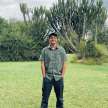

When I first told people I was moving to Cairns in Far North Tropical Queensland, most assumed it was because of the Great Barrier Reef. And while the reef is magnificent, my heart was drawn inland—to the rainforest.
Few people realise that Cairns borders the Wet Tropics, a UNESCO World Heritage Site that shelters some of the oldest rainforests on Earth—older even than the Amazon. These forests, steeped in time and mystery, were what inspired me to study here.There’s something ancient and alive in these woods. The air hangs heavy with the scent of moss and damp bark, the canopy whispers in the wind, and roots twist across the forest floor like sleeping serpents.But what struck me most wasn't the towering trees or the kaleidoscope of insects. It was the knowledge that, somewhere in the shadows, walks a creature that looks like it stepped out of prehistory.
Meet the Cassowary: Rainforest Royalty
Tall, powerful, and crowned with a bony casque, the southern cassowary can grow over 1.5 meters tall and weigh up to 70 kilograms. With piercing eyes, dagger-like claws, and a low, booming call that vibrates through the undergrowth, this bird has earned a dramatic title: the world’s most dangerous bird.But behind the reputation lies a deeper truth—this bird isn’t just part of the forest. It’s one of the reasons the forest exists at all.
Cassowaries are keystone species, crucial to the health of their ecosystem. They feed on hundreds of rainforest fruits—some the size of footballs—and are the only animals capable of swallowing many of them whole. As they wander, they defecate seeds across great distances, often far from the parent tree, giving rise to new growth. Some species of trees require passage through the cassowary’s gut to germinate.
In this way, cassowaries are not just birds—they’re forest gardeners, silently planting the future as they move through the shadows.
Yet like many giants of the natural world, cassowaries are vulnerable.Habitat fragmentation from roads and development is slowly shrinking their territory. Feral pigs—an invasive species—trample their habitat, compete for food, and prey on cassowary eggs and chicks. Vehicle strikes are another rising threat.It’s a slow and quiet war—one that most tourists never hear about.
I haven’t yet seen a cassowary in the wild. But I’ve walked the forest trails where they roam. I’ve paused by rustling ferns, held my breath, and imagined one appearing in the clearing ahead. In a way, that longing only deepens the magic.Because the cassowary reminds me that the rainforest is more than just scenery—it’s a living, breathing system built on relationships. And this bird is one of its most vital threads.Every time I enter the forest, I think about the future. Will the cassowary still walk these ancient paths in a hundred years? Still plant trees with every step? I hope so. Because to lose the cassowary would be to lose something wild, ancient, and irreplaceable.
Thankfully, the cassowary isn’t alone. In Far North Queensland, the Wet Tropics Management Authority and the Cassowary Recovery Team are working tirelessly to protect these ancient birds and restore their rainforest home. Through habitat restoration, community engagement, and science-based action, they’re giving the cassowary—and the forest it holds together—a fighting chance.
You can learn more or support their work at: wettropics.gov.au/cassowary-recovery-team
Because when we protect the cassowary, we’re not just saving a bird—we’re keeping an entire rainforest alive.In a world where so much of nature is vanishing before our eyes, the cassowary reminds us that some magic still lives—quietly, powerfully—beneath the trees.
About the Creator
Basil Sarguroh
Biologist turned storyteller. I write about wild things—nature, science, and the human mess in between. Here to make complex stuff feel simple, weird stuff feel wonderful, and you feel a little more curious.
Keep reading
More stories from Basil Sarguroh and writers in Earth and other communities.
The Giant That Waits
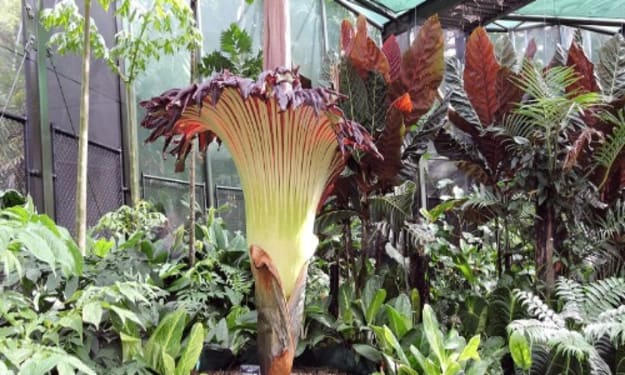
Deep in the steaming heart of the Sumatran rainforest, where mist clings to trees and every leaf seems alive, a secret lay hidden beneath the soil. It wasn’t a tree or a vine or a towering fern. It was something stranger, something quieter—a waiting giant.
By Basil Sarguroh9 months ago in Earth
Beckhams Spotted Together in Paris After Brooklyn Row
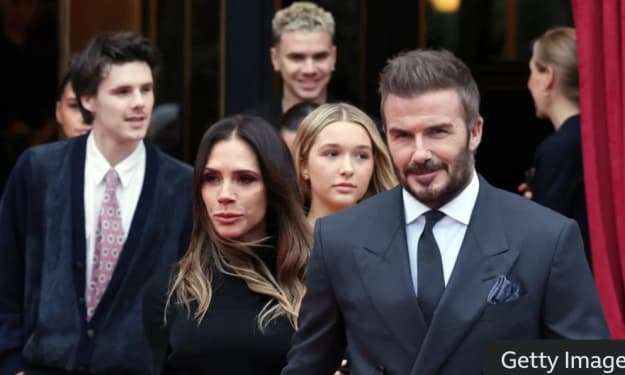
A Family Reunion in the City of Light David and Victoria Beckham were recently spotted together in Paris, drawing attention from fans and media alike. The appearance comes shortly after reports of a disagreement between the famous couple and their eldest son, Brooklyn Beckham, who has been navigating his own professional and personal endeavors.
By Aarif Lashari3 days ago in Earth

Comments (1)
nice bro !