
The Bird That Builds Hanging Cities in Trees
Deep in the savannas of southern Africa, one small bird defies everything we think we know about nests.

A City in the Sky
If you ever wander beneath the dry acacia trees of Namibia or Botswana, you might look up and think you’ve found an abandoned haystack hanging from a branch. But that massive tangle of grass and twigs isn’t a mistake of nature — it’s a masterpiece.
This is the home of the Sociable Weaver (Philetairus socius), a small, sandy-colored bird that has become one of the most skilled architects in the animal kingdom. Unlike most birds that build one nest for a single family, the Sociable Weaver builds cities. Entire colonies live together under one enormous roof made entirely from dry grass, sticks, and feathers.
From below, the structure looks like a giant thatch roof. Up close, it’s a complex apartment block — complete with rooms, corridors, and even temperature control.
The Architects of the Desert
In the hot savannas of southern Africa, daytime temperatures can soar above 40°C. But inside the weavers’ communal nest, the temperature stays stable — warm at night and cool in the blazing heat of day. The secret lies in the design.
Each colony starts small, usually with a single pair building a modest nest on a strong branch or utility pole. As more birds join, they add rooms one by one, extending the structure outward. Eventually, the nest can reach the size of a small car and weigh more than a ton.
The outer walls are made of coarse grass that repels rain and insulates against heat, while the inner chambers are lined with soft materials to protect the eggs. Some nests have over 300 separate chambers, housing hundreds of Sociable Weavers — and sometimes even other species that move in for shelter.
Unexpected Roommates
The Sociable Weaver’s nest isn’t just for weavers. Other birds — like pygmy falcons, lovebirds, and finches — often move in and claim unused chambers. Even snakes and lizards sneak in occasionally, taking advantage of the shade and protection the structure provides.
But the Sociable Weavers don’t seem to mind. In fact, this open housing system makes their home a miniature ecosystem. Predators, parasites, and guests all play a part in maintaining balance inside their “sky city.”
The Power of Cooperation
What makes this bird truly remarkable isn’t just its engineering skills, but its sense of community. Sociable Weavers live by teamwork. Every adult helps to maintain and expand the nest — carrying fresh grass, fixing damaged walls, and defending the colony from intruders.
When one bird calls out an alarm, the entire colony reacts. They share food sources, guard the young together, and even take turns repairing sections after storms. In nature, cooperation often means survival — and these birds have perfected it.
Their social structure is so efficient that scientists often compare it to human cities. There are “central rooms” for nesting, outer “apartments” for singles, and “corridors” that connect families. It’s one of the best examples of collective intelligence in the wild.
Challenges in the Sky
But even this sky city has its dangers. The nests are heavy — some weigh so much that branches snap, sending entire colonies crashing to the ground. Termites and parasites can also invade, eating the dry grass from within and weakening the walls.
To survive, Sociable Weavers must constantly rebuild. They trim dead sections, patch leaks, and reinforce the base. Their constant work keeps the colony alive for generations — some nests have lasted over 100 years, passed down through countless weaver families.
Nature’s Little Engineers
Researchers studying the Sociable Weaver often call it “nature’s civil engineer.” Its nest is not only the largest built by any bird but also one of the most complex non-human structures on Earth. It’s living proof that intelligence doesn’t just belong to big brains — sometimes, it’s found in tiny creatures that understand the power of working together.
High above the savanna, these little birds continue to build, repair, and live in perfect harmony — a living, breathing city in the sky.
A Lesson from the Weavers
In a world where many creatures compete for space and survival, the Sociable Weaver shows us something different — that unity builds strength. Their hanging cities are symbols of cooperation, balance, and resilience in one of the harshest landscapes on Earth.
Next time you think of birds’ nests as small or simple, imagine this: thousands of tiny beaks, working together under the scorching sun, building a world of their own — one blade of grass at a time.
About the Creator
I Felt The 4.6 Magnitude Earthquake This Morning
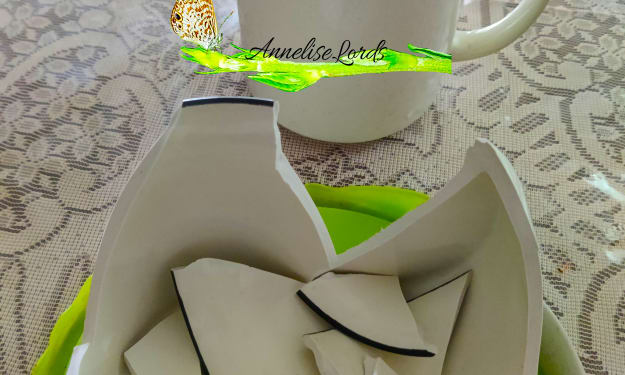
The earth is that cup that I drink from. Stress has broken it. While doing my yoga on my living room floor on my yoga mat this morning, I felt my house shake. Fear didn't take its time to rush through my entire body, heart, and soul. I was terrified for the few seconds it lasted. My fear is still with me, even though it didn't do much damage.
By Annelise Lords 6 days ago in Earth



Comments
There are no comments for this story
Be the first to respond and start the conversation.