
The Bermuda Triangle: Unraveling the Facts
The Bermuda Triangle, a region in the western North Atlantic Ocean, has long been associated with mysterious disappearances of ships and aircraft. However, thorough investigations have shown that the number of incidents in the Bermuda Triangle is not statistically higher than in other areas, and the majority of reported incidents have rational explanations such as human error, adverse weather conditions, and mechanical failures.
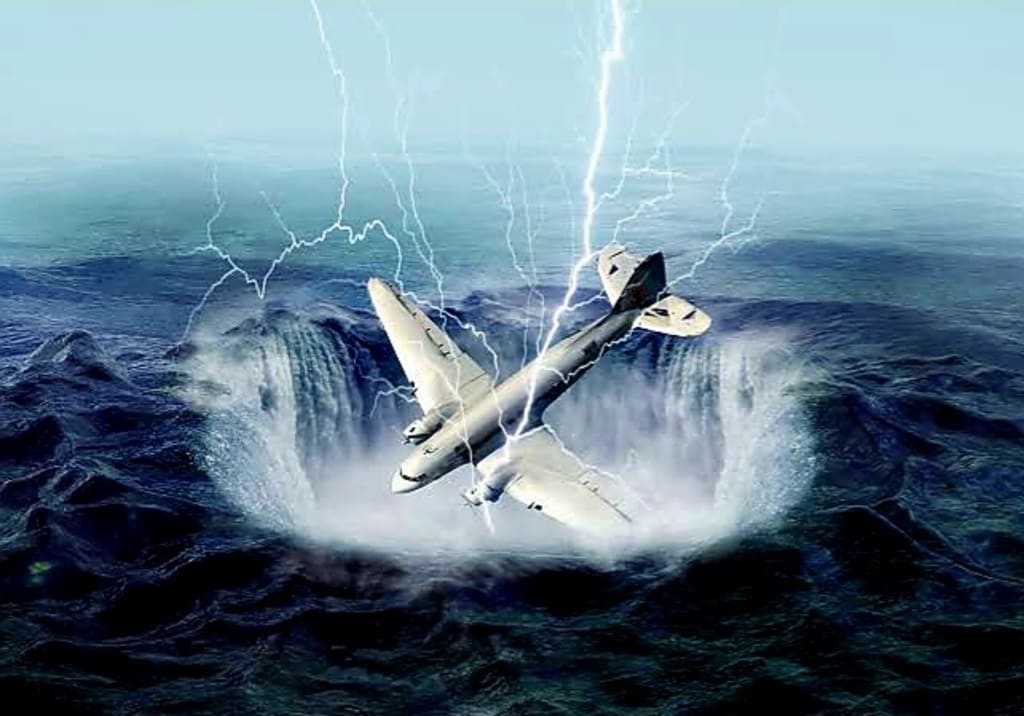
The Bermuda Triangle, a region in the western North Atlantic Ocean, has been the subject of many myths and legends surrounding the disappearance of ships and aircraft. However, the truth behind the Bermuda Triangle is far less mysterious. Official organizations do not recognize it as a danger zone, and the number of accidents or disappearances there is not statistically higher than in other areas. Reported incidents often have rational explanations, such as human error, adverse weather, or mechanical failures. The Bermuda Triangle's location in major shipping lanes and its unpredictable weather contribute to its perceived danger, but these factors are not unique to the area. Advances in technology and navigation systems have also debunked the notion of the Bermuda Triangle as a mystical vortex. It is important to approach the Bermuda Triangle with skepticism, relying on scientific evidence and rational thinking rather than sensationalized accounts. By doing so, we can focus on genuine concerns for maritime and aviation safety and address them with appropriate measures.
The Bermuda Triangle has long been shrouded in mystery and the subject of numerous myths and legends. Stretching between the points of Miami, Bermuda, and Puerto Rico, this region of the western North Atlantic Ocean has gained a notorious reputation for supposedly causing the disappearance of ships and aircraft. However, when we separate fact from fiction, the Bermuda Triangle loses much of its enigmatic allure.
First and foremost, it's important to note that the Bermuda Triangle is not officially recognized as a danger zone by any authoritative organization. The U.S. government, as well as international maritime and aviation bodies, do not consider it to be any more perilous than any other part of the world's oceans. Contrary to popular belief, the number of accidents or disappearances in the Bermuda Triangle is not statistically higher compared to other similarly trafficked areas.
One common misconception is that the Bermuda Triangle is responsible for a large number of missing aircraft. However, thorough investigations and studies have shown that many reported incidents have alternative explanations unrelated to any mysterious forces. These include human error, adverse weather conditions, mechanical failures, and other natural causes. In fact, the U.S. Coast Guard has stated that "In a review of many aircraft and vessel losses in the area over the years, there has been nothing discovered that would indicate that casualties were the result of anything other than physical causes."
Moreover, the Bermuda Triangle's geographic location contributes to its perceived danger. It lies in the path of major shipping lanes, and its tropical climate can experience swift and unpredictable weather changes, including powerful storms. These factors can increase the likelihood of accidents and mishaps, but they are not unique to the Bermuda Triangle.
In recent years, advances in technology and navigation systems have further debunked the notion of the Bermuda Triangle as a mystical vortex. Improved satellite communication, radar systems, and GPS tracking have significantly enhanced maritime and aviation safety, making it easier to monitor and respond to incidents swiftly.
While the Bermuda Triangle may have captured our imagination with tales of vanished ships and planes, the truth behind these stories is far less extraordinary. In reality, the Bermuda Triangle is just another part of the world's vast oceans, where accidents can happen due to a variety of factors. The sensationalized accounts that perpetuate the myth often overlook rational explanations and evidence.
It's crucial to approach the Bermuda Triangle with a skeptical eye and rely on scientific evidence and rational thinking when evaluating claims and theories. By doing so, we can demystify this region and focus on genuine concerns for maritime and aviation safety, which are better addressed through comprehensive training, improved technology, and diligent investigation of incidents.
In conclusion, the Bermuda Triangle remains a mysterious phenomenon that has captivated the public's imagination for decades. While numerous theories and speculations have been proposed to explain the reported disappearances of ships and aircraft within the area, no definitive scientific evidence has been found to support any specific cause. The inconsistencies in reported incidents, combined with natural environmental factors, likely contribute to the perception of the Bermuda Triangle as an enigmatic and potentially dangerous location. Nonetheless, it is important to approach the subject with critical thinking and rely on scientific evidence rather than sensationalism when examining the mysteries surrounding the Bermuda Triangle.
About the Creator
Prathyusha Vasantala
I am a talented and skilled writer with a passion for engaging and informative content. With a keen eye for detail and a natural flair for words, excels in producing quality articles that captivate readers and leave a lasting impact.
Keep reading
More stories from Prathyusha Vasantala and writers in Earth and other communities.
Exploring the Possibilities of Time Travel
Introduction Time travel has long captured the imagination of humans, fueling countless stories, movies, and scientific speculations. The concept of traveling through time, whether to the past or future, has intrigued and fascinated us for centuries. While time travel remains purely speculative in reality, let us delve into the theories and possibilities that surround this captivating subject.
By Prathyusha Vasantala3 years ago in Earth



Comments
There are no comments for this story
Be the first to respond and start the conversation.