
The Beauty and Importance of Nature: A Lifeline for Life on Earth
#nature #beauty #earth

The Beauty and Importance of Nature: A Lifeline for Life on Earth
Everything around us—trees, oceans, mountains, animals, and the air we inhale—is part of nature, which is vast and complex. Not only is it a backdrop for human existence, but it is also an essential component of life itself. Nature is both the sustainer and the source of life, and its preservation is more crucial now than ever before. In this article, we will explore the beauty and importance of nature, highlighting why we must work collectively to protect and cherish it.
The Awe-Inspiring Beauty of Nature
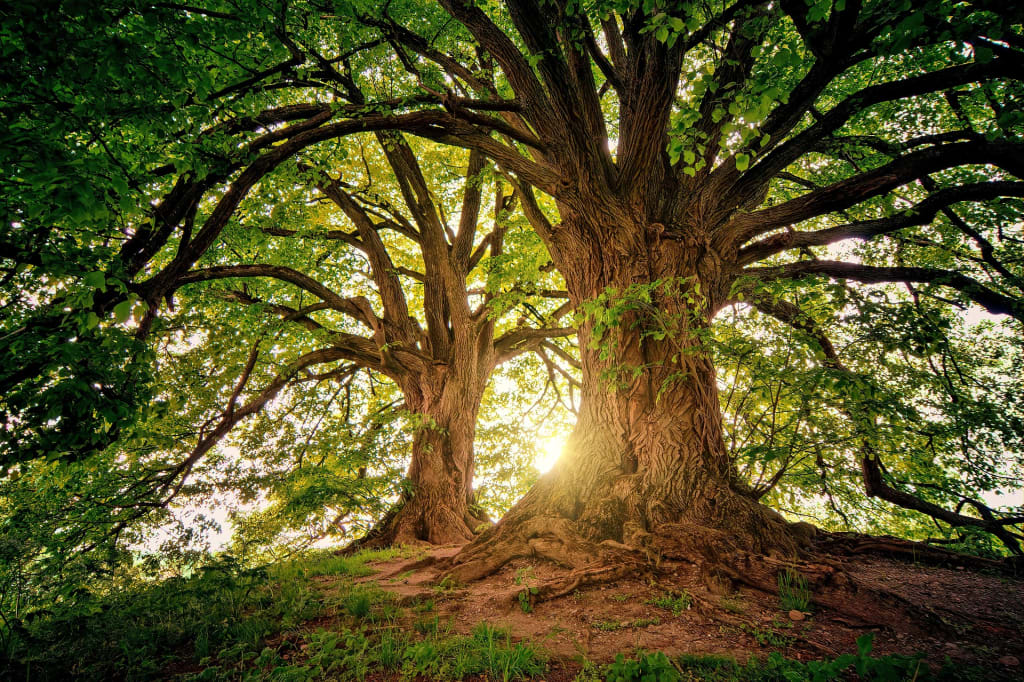
The beauty of nature is one of its most striking features. Nature has the unique ability to awe and inspire, whether it's the serene view of a sunset over the ocean, the grandeur of towering mountain peaks, or the simple serenity of a forest. A world filled with color, life, and wonder is revealed by the variety of landscapes, which range from deserts and rainforests to tundras and wetlands. The flora and fauna that populate our planet are no less magnificent. Nature's intricate and interconnected design can be seen in the vibrant colors of flowers in bloom, the graceful flight of birds, and the majestic movements of wild animals. These wonders not only provide us with aesthetic joy but also enrich our lives with experiences that promote mental and emotional well-being.
Nature's Contribution to Life's Survival Beyond its beauty
nature plays an essential role in sustaining life on Earth. Nature provides all of our essential resources, including the air we inhale, the food we eat, and the water we drink. We are able to survive because plants, for instance, convert carbon dioxide into oxygen. Forests act as carbon sinks, absorbing a significant amount of CO2 and contributing to the mitigation of the effects of climate change. Trees are essential for regulating the climate and stabilizing the soil. In addition to sustaining life directly, nature provides a variety of ecosystem services that are indispensable to human well-being. Pollination by insects ensures the production of food crops, and healthy oceans maintain fish populations that sustain countless communities. Wetlands filter water, while mountains act as natural reservoirs, providing fresh water to millions of people worldwide.
Nature's Potential Dangers Despite
the vital role nature plays in our survival, it faces unprecedented threats, many of which are a direct result of human activity. Deforestation, pollution, climate change, habitat destruction, and overexploitation of resources are just some of the challenges that nature must contend with.
For example, deforestation contributes to the loss of biodiversity, while pollution from plastics and chemicals harms ecosystems and threatens wildlife. The rising global temperatures resulting from climate change disrupt weather patterns and pose a serious threat to habitats and species that depend on stable environments. Additionally, the destruction of natural habitats and overfishing endanger countless species, pushing many to the brink of extinction.
The Importance of Conservation
Recognizing the importance of nature and its vulnerability, it is crucial to prioritize conservation efforts. Protecting and preserving natural ecosystems ensures the continued availability of resources that we depend on, while also maintaining the delicate balance of life on Earth. The protection of endangered species, the establishment of protected areas, the promotion of environmentally friendly farming and fishing methods, and the reduction of carbon emissions are all examples of conservation efforts. One of the most significant and impactful conservation strategies is the establishment of national parks and wildlife reserves. These protected areas serve as sanctuaries for wildlife and natural habitats, providing a safe haven from human encroachment. Additionally, efforts to restore degraded ecosystems—such as reforestation and wetland rehabilitation—are vital to reversing some of the damage caused by years of environmental exploitation.
By making decisions in our daily lives that are more environmentally friendly, each of us can make a personal contribution to conservation. Reducing waste, using renewable resources, conserving water, and supporting eco-friendly businesses are all small but significant actions that add up over time.
The Call to Action
Nature’s preservation is not just an environmental issue; it is a moral and existential one. The degradation of nature affects every living being, from the smallest insect to the largest mammal, including humans. As stewards of this planet, it is our responsibility to ensure that future generations inherit a world that is just as vibrant and thriving as the one we enjoy today.
In conclusion, nature is a source of life, beauty, and wonder. It enriches our lives in numerous ways and provides us with everything we require to live. However, nature is also fragile, and the challenges it faces require urgent action. By protecting nature and adopting sustainable practices, we can help preserve the planet for future generations and continue to enjoy the beauty and benefits it offers. Before it's too late, now is the time to act.
About the Creator
Keep reading
More stories from Tanvir hasan Zelani and writers in Earth and other communities.
Top 10: American fighter aircraft of all time
From the smoky dogfights of World War II to the stealthy supersonic machines of the 21st century, the United States has produced some of the most iconic and powerful fighter aircraft in aviation history. These aircraft not only set the standard for global air power but also contributed to the outcome of important conflicts and defined their eras. Here’s a look at the Top 10 American fighter aircraft of all time, based on their combat performance, innovation, historical impact, and longevity.
By Tanvir hasan Zelani10 months ago in Pride
Birds with Wild Hairdos
Cockatoos are known for their expressive crests, which they raise or lower depending on their mood. The crests can be white, yellow, or pink. These charismatic birds are native to the Australian continent, the islands of the Indo-Australian archipelago, and parts of New Guinea. There are 21 different species of cockatoo, varying in size from the diminutive Galah to the imposing Sulphur-crested Cockatoo. Most cockatoo species are highly social birds, forming strong pair bonds that often last a lifetime. Cockatoos are primarily herbivores, with a diet consisting of seeds, nuts, fruits, roots, and occasionally insects and larvae.
By Rasma Raisters3 days ago in Earth
The timing of Earth's ice ages may be influenced by Mars.
According to recent calculations, Mars may influence the date of ice ages by helping to establish a 2.4 million-year rhythm in Earth's orbit. Recently, researchers investigated the possibility of a tiny planet leaving a discernible imprint in long-term climate records.
By Francis Dami5 days ago in Earth


Comments
There are no comments for this story
Be the first to respond and start the conversation.