
The Beautiful Birds of Canada
Canadian birds


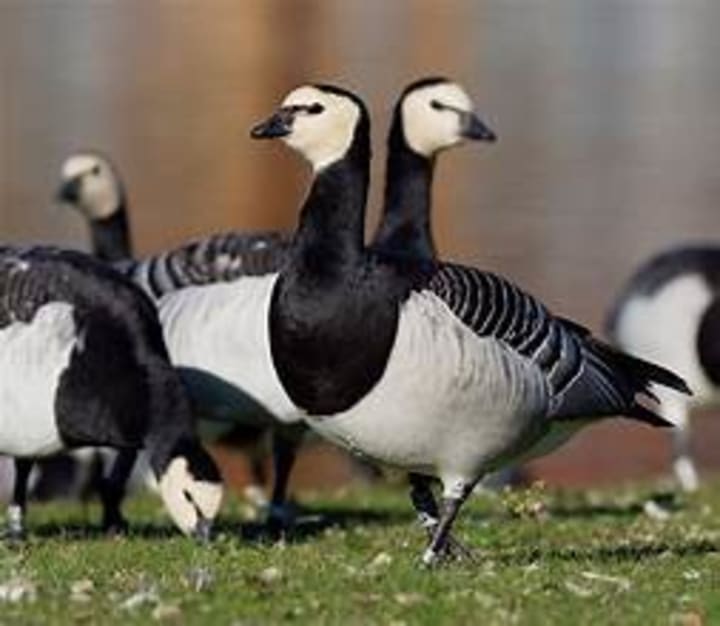
Barnacle geese are rare Canadian birds known for their black plumage. They are medium-sized birds that, when migrating, fly in a V-shaped formation. They build their nests in mountainous and rocky regions. Barnacle geese are herbivorous, feeding mainly on leaves, herbs, grass, roots, mosses, sedges, and aquatic vegetation. During the winter they feed on agricultural grain and occasionally vegetables.
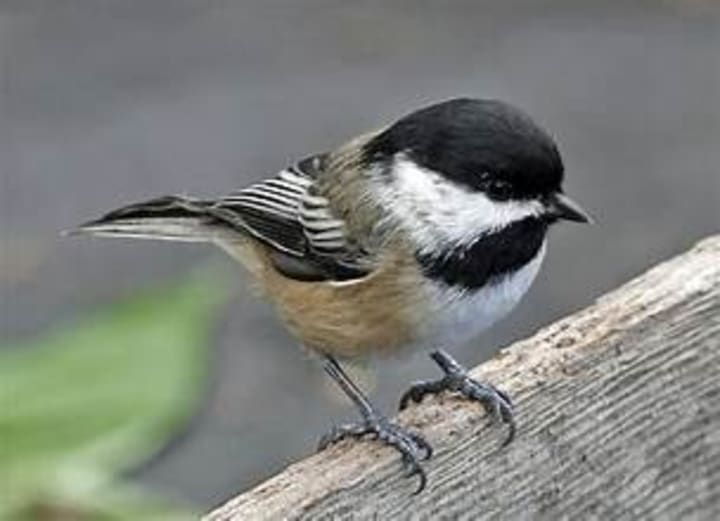
Black-capped chickadees are North American songbirds and the provincial birds of New Brunswick. They have black caps, bibs on their faces with white sides, short black bills, and gray backs and tails. These birds inhabit willow thickets, temperate forests, parks, cottonwood groves, and open woodlands. During the day they are energetic, gleaning or scavenging upside down while hovering and shrieking. They can be observed jumping along tree trunks or climbing up trees.
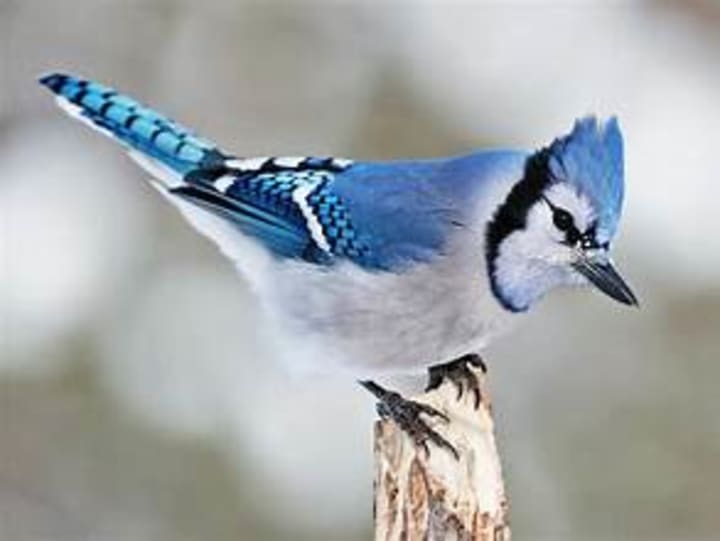
Blue jays are birds that build open nests on trees and mainly feed on nuts and seeds. They are loud, assertive, and aggressive passerines. These birds breed in both deciduous and coniferous forests.
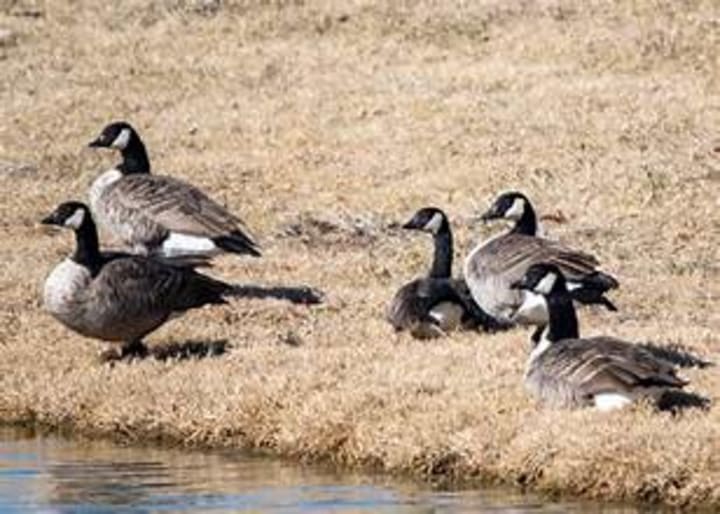
Cackling geese are birds found in northern Canada, Alaska, and the Pacific Northwest. They mostly feed in extended families and big flocks, building their nests on islands or marshes in the Polar Tundra. All year long, cackling geese hunt in wetlands and meadows and forage agricultural fields during migration and when on wintering grounds.
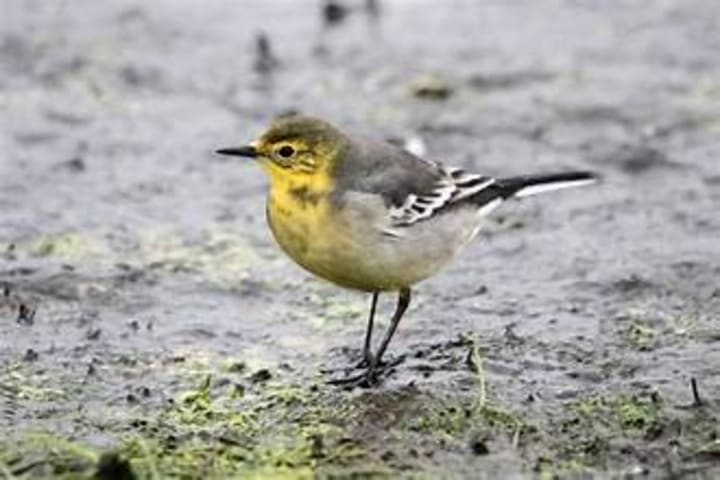
Citrine wagtails are small migratory birds found in British Columbia and Southern Canada. They are known for their yellow plumage and their continuous wagging of their tails. They prefer to inhabit bogs and meadows. Citrine wagtails primarily eat insects. Their diet mainly consists of flies and beetles, which they forage for on the ground and in the air. During migration, they may also consume small crustaceans, mollusks, and fish to supplement their diet.
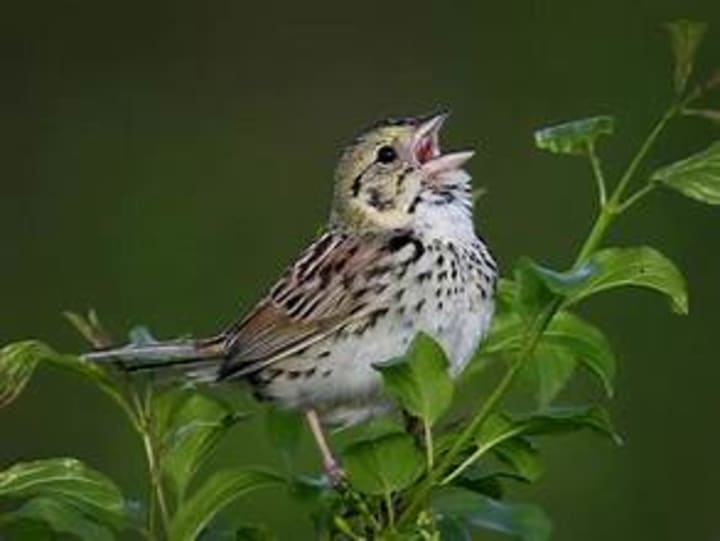
Henslow’s sparrows are small birds that inhabit wet and shrubby fields in Southern Canada. They were named in honor of the British botanist, priest, and geologist John Stevens Henslow. They are brownish in color and have crown-like structures on their heads with their wings rust-colored. Henslow’s sparrows feed on the ground, mostly consuming insects as well as berries and seeds.
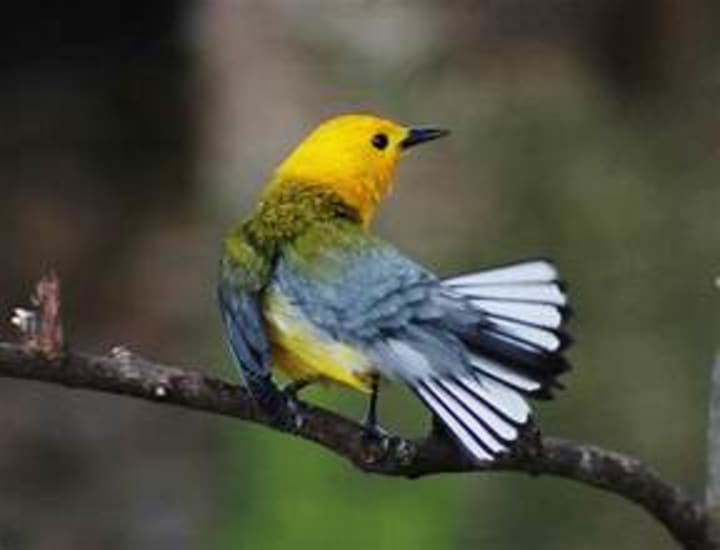
Prothonotary warblers are lovely birds and first made an appearance in the 1940s. They inhabit wetlands and are recognized by their golden plumage. These are migratory birds that breed in Ontario and then journey to eastern US and the West Indies. These are small birds that dine on water invertebrates but will also eat spiders, seeds, and snails. are recognized by their golden plumage.

Ring-necked ducks inhabit freshwater ponds and lakes and are diving ducks. They have two white rings surrounding their grey bills and have shiny angular heads with black backs. Ring-necked ducks are omnivores. They get their food by diving into water bodies. Young ducklings, however, are dependent on worms, leeches, midges, and snails.
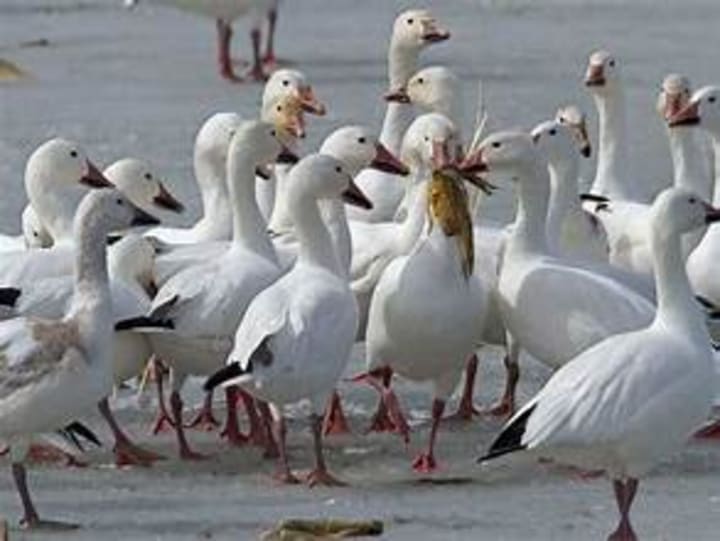
Snow geese are beautiful white birds found in British Columbia and North America. These birds are known for their white plumage. They are migratory and journey south in the wintertime and return north for breeding. Snow geese have a vegetarian diet, with grains being an essential part.

Surf scoters are huge sea ducks that generally breed in Canada and Alaska. They migrate to places with temperate climates in the winter season. These birds dive for food, capturing fish on the ocean floor as well as mussels. During the wintertime mollusks and crustaceans are their best food.
Trumpeter swans are the official birds of Prince Edward island recognized by their white plumage and huge wingspan. (pictured above) They can be found in parts of Canada, the northern US, and central and southern Alaska. These birds are non-migratory but also fly in a V-shaped flock. Trumpeter swans are huge birds inhabiting wetlands and the edges of open water. They belong to the heron family. Their diet consists mostly of aquatic plants and they’ll dig into muddy substrates underwater for roots and tubers.
About the Creator
Rasma Raisters
My passions are writing and creating poetry. I write for several sites online and have four themed blogs on Wordpress. Please follow me on Twitter.
Keep reading
More stories from Rasma Raisters and writers in Earth and other communities.
Most Unusual Birds US
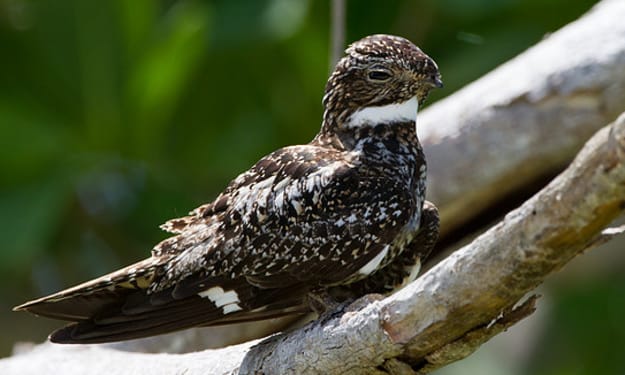
Antillean nighthawks are known for their long wings and white wing bars. During the summer they inhabit coastal marshes in Florida. They have distinctive “peent” calls sounding at dusk. These birds have flight patterns and show off aerial displays. Antillean nighthawks catch flying insects on the wing, mainly foraging near dawn and dusk or sometimes at night with a full moon.
By Rasma Raisters2 months ago in Earth
Judge Trump: Courtroom Battles and Public Questions Surrounding Donald Trump
Judge Trump: Courtroom Battles and Public Questions Surrounding Donald Trump Donald Trump’s name has been repeatedly linked with judges, courts, and major legal decisions over the past several years. As a former president and a high-profile political figure, Trump has faced intense legal scrutiny, making judges central figures in news coverage and public debate. The phrase “Judge Trump” has come to reflect public curiosity about the judges who oversee Trump-related cases, their rulings, and how these legal battles may affect his political future. Understanding this topic requires looking at the legal landscape, the role of the judiciary, and the most common questions people ask. Judge Trump: Courtroom Battles and Public Questions Surrounding Donald Trump
By America today 6 days ago in Earth
“Are You Dead?”: A New App Reflects the Loneliness of Young Chinese Living Alone
In China’s rapidly changing cities, living alone is no longer unusual—especially among young adults pursuing education, careers, and independence. But as solo living increases, so do concerns about isolation, safety, and what happens when no one is around to check in. Against this backdrop, a new app with a blunt, unsettling question—“Are you dead?”—has captured public attention and ignited debate. Despite its shocking name, the app is not designed to provoke fear. Instead, it aims to address a practical and emotional gap in modern urban life: how to ensure the well-being of people who live alone, and how technology is stepping in where traditional community networks have weakened. The Rise of Solo Living in China China has witnessed a dramatic shift in household structures over the past two decades. Urbanization, delayed marriage, rising housing costs, and changing cultural values have contributed to a growing number of single-person households, particularly among people in their 20s and 30s. For many young Chinese professionals, living alone represents freedom and self-reliance. It allows flexibility, privacy, and independence from family expectations. Yet this independence often comes with trade-offs: fewer daily social interactions, weaker neighborhood ties, and limited support in emergencies. In megacities like Beijing, Shanghai, and Shenzhen, it is increasingly common for neighbors not to know each other at all. In this environment, concerns about what happens if someone becomes ill, injured, or simply disappears from daily routines have become more pronounced. What the App Actually Does Despite its provocative name, the app’s purpose is surprisingly simple. It functions as a digital check-in system. Users set regular times to confirm they are okay—by tapping a notification or completing a brief check-in. If the user fails to respond after a certain period, the app automatically alerts designated contacts, such as friends, family members, or emergency responders. The stark question, “Are you dead?”, is intentionally designed to grab attention and prompt action. Developers argue that softer language is often ignored, while blunt phrasing cuts through digital noise and encourages consistent use. In essence, the app acts as a safety net, especially for people who live alone and may not have daily contact with others. Why Young People Are Downloading It The app’s popularity reflects deeper anxieties among young adults navigating modern life. Many users say they downloaded it not because they fear the worst every day, but because it provides peace of mind—both for themselves and for loved ones. For parents living far from their children, the app offers reassurance without constant phone calls. For users, it creates a sense of being quietly watched over, without sacrificing independence. Some users have also described the app as a form of emotional comfort. Even a routine notification can feel like a reminder that someone, somewhere, would notice if they vanished from daily life. A Name That Sparked Debate The app’s name has been its most controversial feature. Critics argue that the phrase “Are you dead?” is unnecessarily harsh and reflects a growing desensitization in digital culture. Others worry that such language could amplify anxiety rather than reduce it. Supporters, however, see the name as a reflection of reality rather than a provocation. In densely populated cities where people can go unnoticed for days or weeks, the question is uncomfortable—but relevant. They argue that avoiding blunt language does not eliminate the underlying problem of isolation. The debate highlights a broader tension in tech design: Should apps prioritize emotional sensitivity, or practical effectiveness—even if it makes people uncomfortable? Technology Filling a Social Gap The rise of this app points to a larger issue: technology increasingly compensates for weakened social structures. In the past, extended families, close-knit neighborhoods, and workplace communities naturally checked in on individuals. Today, those informal safety nets are often absent. Apps like this one are not just tools; they are symptoms of a society where digital solutions are replacing human presence. While convenient, this raises questions about whether technology is addressing the root causes of loneliness—or simply managing its consequences. Still, for many users, the app is not a replacement for relationships, but a supplement to modern life realities. Living Alone Does Not Mean Wanting to Be Alone An important takeaway from the app’s success is that living alone is not the same as wanting isolation. Many young Chinese adults value independence but still crave connection, security, and acknowledgment. The app’s routine check-ins, though minimal, provide a structured moment of contact. In a fast-paced, high-pressure environment, even small gestures of recognition can matter. This trend also reflects changing attitudes toward mental well-being and personal safety. Younger generations are more open to discussing vulnerability and using tools that previous generations might have dismissed. What This Says About Modern Urban Life The popularity of an app that asks such a stark question speaks volumes about the realities of contemporary urban living—not just in China, but globally. As cities grow larger and lives become more individualized, people are searching for new ways to ensure they are seen, remembered, and protected. The app’s success suggests that people are willing to engage with uncomfortable ideas if they address real needs. It also underscores the importance of designing technology that is honest about modern challenges, rather than masking them with euphemisms. Conclusion: A Wake-Up Call, Not a Warning While the phrase “Are you dead?” may sound alarming, the app behind it is less about fear and more about care. It reflects a generation navigating independence in a world where traditional support systems no longer function as they once did. Rather than signaling a morbid obsession, the app serves as a quiet reminder of something deeply human: the need to be noticed. In that sense, its blunt question is not about death at all—but about presence, connection, and the reassurance that someone would check if you were gone. As solo living continues to rise, tools like this app may become less shocking and more commonplace—symbols of how society adapts to changing ways of life in the digital age.
By Muhammad Hassana day ago in Earth



Comments
There are no comments for this story
Be the first to respond and start the conversation.