
The Application of Biochar in Green Buildings
The Application of Biochar in Green Buildings


In the face of climate change and the growing need for sustainable building practices, architects and engineers are increasingly turning to innovative materials to reduce the environmental impact of construction. One such material gaining attention is biochar, a type of charcoal produced from biomass through a process called pyrolysis. While biochar has been used for centuries in agricultural applications, its potential in green building design is becoming more recognized. This blog post explores the various ways in which biochar can be utilized in green buildings, contributing to sustainability, energy efficiency, and environmental conservation.
1. What is Biochar?
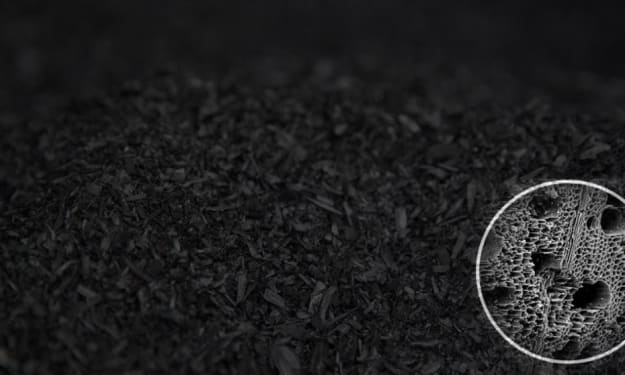
Biochar is a biomass carbonization machine highly stable form of carbon that is produced by heating organic materials, such as wood, agricultural waste, or even food scraps, in a low-oxygen environment. The process of pyrolysis not only locks the carbon into a solid form, preventing it from being released into the atmosphere as CO2, but also creates a product with numerous beneficial properties. When used in building materials, biochar can significantly enhance the sustainability of structures by offering energy savings, reducing waste, and improving indoor air quality.
2. Improving Thermal Insulation and Energy Efficiency
One of the most promising applications of biochar in green buildings is its ability to improve thermal insulation. When incorporated into building materials such as concrete, plaster, or insulation boards, biochar enhances the thermal properties of these materials. It has a high specific surface area and low thermal conductivity, which means it can help buildings retain heat in colder climates and stay cooler in warmer weather.
This can drastically reduce the need for artificial heating and cooling systems, leading to lower energy consumption and contributing to energy-efficient buildings. Buildings that consume less energy are key components of sustainable urban development and play an important role in combating climate change.
3. Carbon Sequestration and Environmental Impact
Green buildings are designed with an emphasis on reducing their carbon footprint. Biochar contributes to carbon sequestration, a process where carbon is captured and stored rather than being released into the atmosphere. Biochar is incredibly stable, with the potential to lock away carbon for hundreds to thousands of years. This makes it an ideal material for reducing the overall carbon emissions associated with construction activities.
Moreover, by incorporating biochar into building materials, the amount of waste that ends up in landfills can be reduced. Biomass used to produce biochar often consists of agricultural byproducts and other organic waste that would otherwise contribute to methane emissions in landfills.
4. Enhancing Indoor Air Quality
Biochar can also contribute to the creation of healthier living spaces in green buildings. Due to its high surface area, biochar has the ability to adsorb harmful gases, volatile organic compounds (VOCs), and other pollutants from the air. This makes it an effective tool for improving indoor air quality, especially in homes or offices that may suffer from issues like poor ventilation or high levels of indoor pollutants.
In addition, biochar has shown promise as a natural air purifier when added to paints, wall plasters, or even flooring materials. This not only contributes to healthier indoor environments but can also reduce the need for chemical-based air purification systems.
5. Water Management and Soil Improvement
Biochar is not only useful inside buildings but also in the management of water and the surrounding environment. It has excellent water retention properties, which can be utilized in green roofs, rainwater harvesting systems, or even landscaping around green buildings. Biochar can help retain moisture in soil, reducing the need for frequent irrigation and contributing to water conservation efforts
In addition, biochar can improve the quality of stormwater runoff, filtering out contaminants and promoting healthier ecosystems in urban areas. Its role in water management enhances the overall sustainability of green buildings, supporting their integration into the natural environment.
6. Innovative Construction Materials
The incorporation of biochar into alternative building materials is another area of interest. For example, biochar can be mixed with cement or clay to produce more sustainable, low-carbon alternatives to traditional building materials. Biochar-based concrete is one such material gaining traction, as it not only reduces the carbon footprint of construction but can also enhance the strength and durability of the structure.
Additionally, biochar is being explored as a component of 3D printed buildings, where it can be used to create lightweight, sustainable construction materials. This innovative approach has the potential to revolutionize the way we think about construction in the future.
7. A Path Toward Sustainable Building Practices
The use of biochar in green buildings represents a promising shift toward more sustainable, energy-efficient, and environmentally responsible construction practices. By incorporating this material into building designs, we can address some of the most pressing environmental challenges, such as energy consumption, carbon emissions, and indoor air pollution.
Biochar's versatility and positive impact on sustainability make it a key player in the future of green building design. As we continue to explore new ways to reduce the ecological footprint of construction, biochar is sure to remain at the forefront of the conversation, offering innovative solutions that benefit both the environment and the people who live and work in these spaces.
With its potential to support carbon sequestration, improve energy efficiency, and enhance indoor air quality, biochar is a material that embodies the principles of green architecture: sustainability, energy conservation, and environmental stewardship. By embracing this renewable resource, we can take another step toward creating a more sustainable future.
About the Creator
Bestonpyrolysis
Engaged in waste plastic/tyre/rubber recycling, oil sludge treatment, biomass recycling, sewage sludge management and paper recycling…
https://bestonpyrolysisplant.com/
Keep reading
More stories from Bestonpyrolysis and writers in Earth and other communities.
Why Biochar’s Carbon Reduction Impact is Gaining Popularity in the Construction Industry
In the face of a global climate crisis, industries are searching for sustainable solutions to reduce their carbon footprints. One such solution that has gained increasing attention in recent years is biochar. A product of the pyrolysis process, biochar has long been used in agriculture for its soil-improvement properties. However, its potential in carbon sequestration and environmental sustainability is now being harnessed in the construction industry.
By Bestonpyrolysis8 months ago in Earth
The Ghost Metal of Cyprus
She almost put it back. A geologist crouching in the dry scrubland outside Lakia, Cyprus, turned a small rock over in her hand and nearly dismissed it. The colour was wrong. Gold is not supposed to look like that. It was not yellow. It was not even close.
By CurlsAndCommas5 days ago in Earth


Comments (1)
🌠