
The Amazing Birds of South America
South American birds

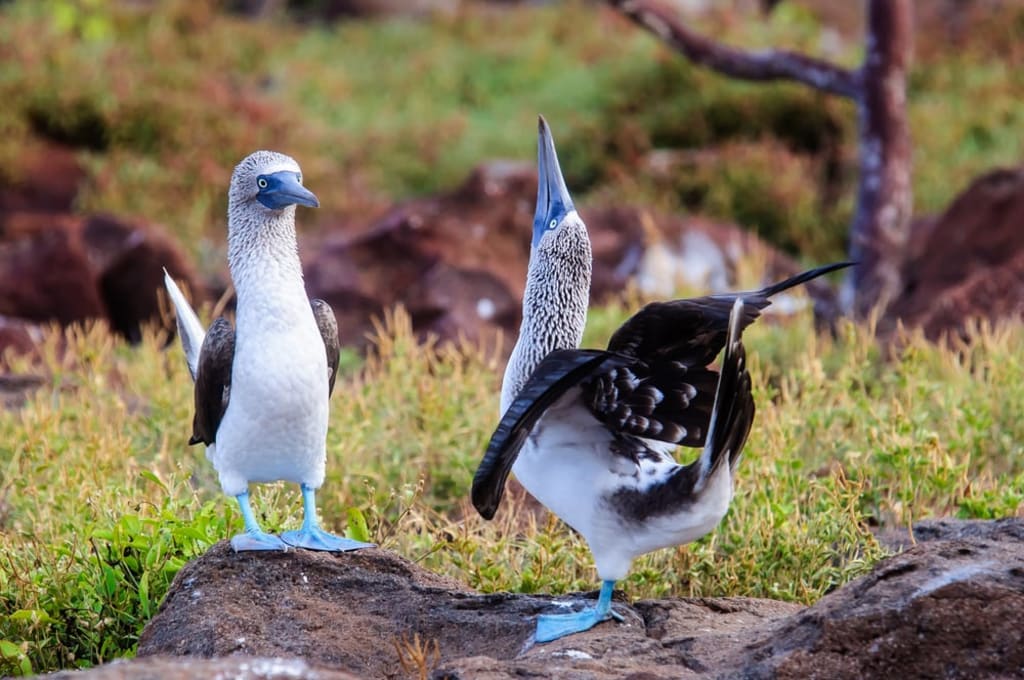
Birdwatchers can enjoy South America, which has more bird species than any other continent, with 2,000 species in Brazil, 1,000 species in Argentina, and 500 species in Chile.
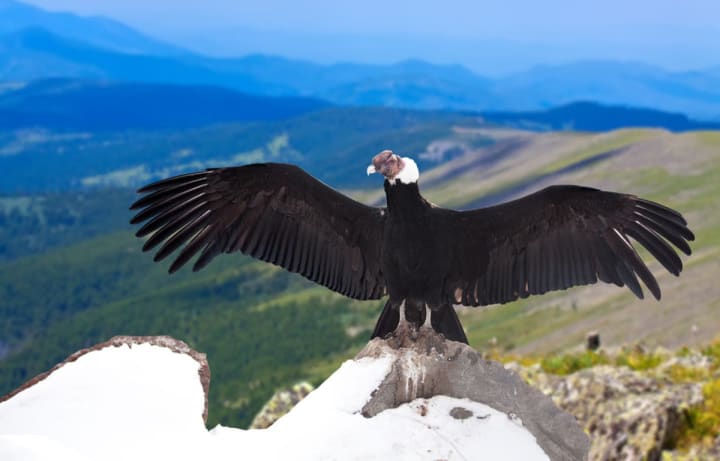
Andean condors are among the largest flying birds on Earth, with a wingspan of over ten feet. These birds are a symbol of the Andes region. Andean condors appear on the national crests of Bolivia, Chile, Colombia, and Ecuador. They are vultures, with the distinctive bald head of the species. Feeding on carrion, they perform an important function in clearing up dead wildlife.
Blue-footed boobies can be found on the Galapagos Islands. In the air they are great fliers and also great divers below. These birds dine on small fish like anchovies, but their main prey is squid. These birds do not fear humans and are known to land on small boats to see who is onboard.
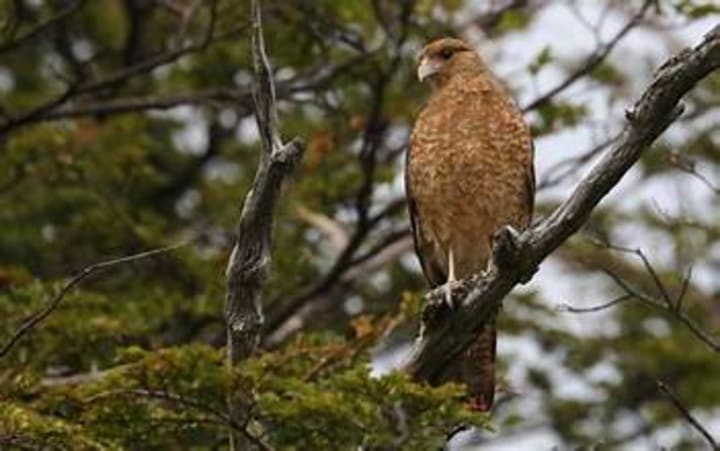
Chimango caracaras are birds of prey living from southern Brazil through Uruguay and commonly seen in Argentina and Chile. They’ve even been seen on the Falkland Islands. These birds are types of falcons with characteristic calls. They can be seen in open areas like shrublands, fields, and beaches. Chimango caracaras dine on carrion, invertebrates, and small mammals, as well as seeds and berries.
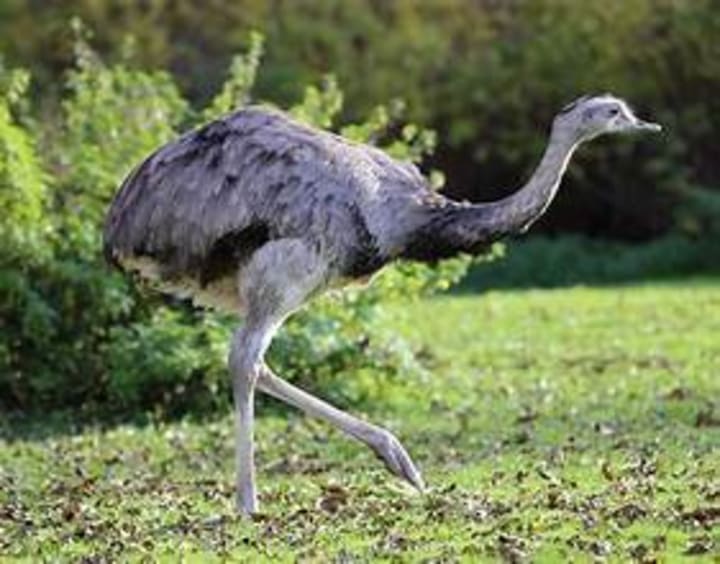
Greater rheas are the largest birds in the Americas. Ostriches are their distant relatives. These birds are powerful runners and use their large wings for balance. Rheas gather together in large flocks and are social, so they will join other herd animals such as guanacos. These birds dine on leaves, fruits, and seeds, swallowing pebbles to help them digest tough cellulose. They can help farmers by eating insects, such as beetles, locusts, grasshoppers, and even scorpions. However, they also have a taste for agricultural crops such as cabbage or chard.
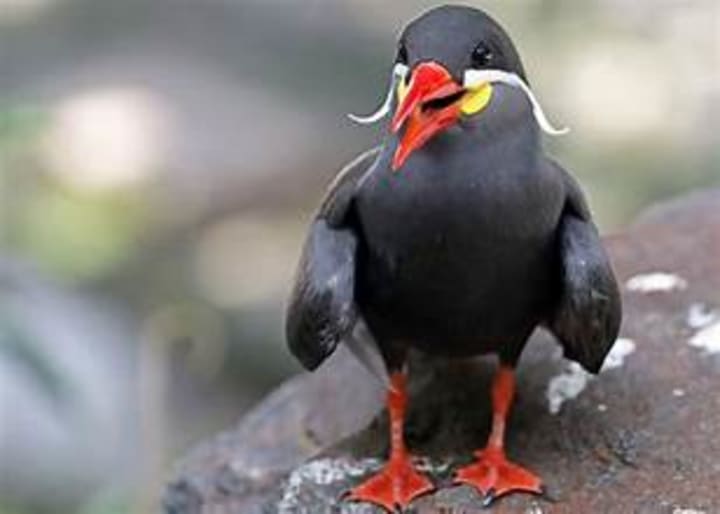
Inca terns are seabirds known for their white “Salvador Dali” moustaches and reddish claws and beaks. They make their homes along the Pacific Coast, primarily in Peru and Chile. These birds live on rocky cliff faces. Inca terns come together in large colonies, and their calls are compared to a distinctive cat’s meow. Their diet includes anchovies and small fish.
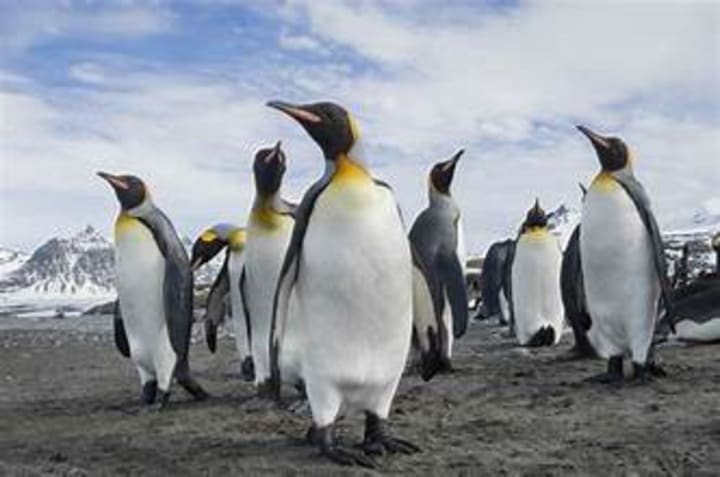
King penguins can be seen on the shores of Bluff Cove, Falklands, and Tierra del Fuego, Chile. These penguins can dive to an amazing 1,180 feet and have eyes adapted to the darkness at that depth. These birds can eat 2,000 fish a day. King penguins are recognizable by their orange-yellow feathers on their chests.
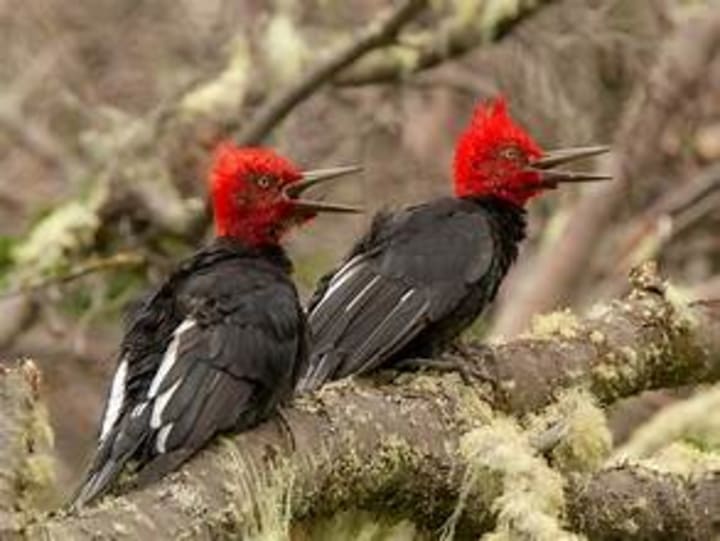
Magellanic woodpeckers are the largest woodpeckers in South America. They are striking-looking black birds, with the males standing out with their bright red heads. They can be seen in the Patagonian woodlands of Chile and Argentina as well as on Tierra del Fuego. These woodpeckers feed on larvae, beetles, and other insects found by boring into living or dead trees. Lizards and the nestlings of smaller bird species may also be part of their diet.
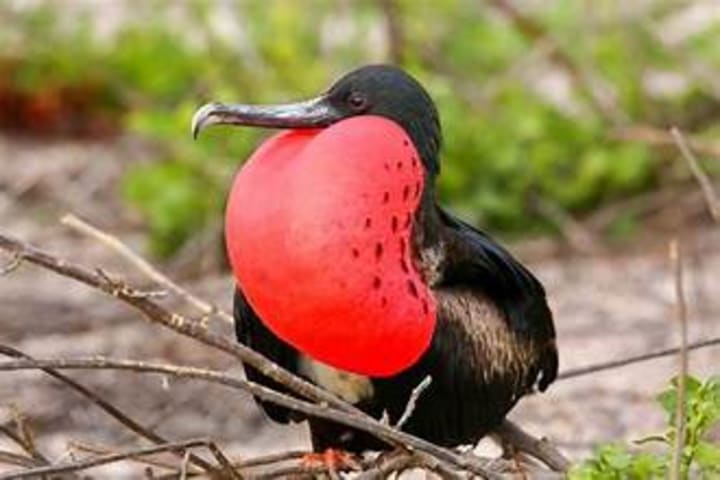
Magnificent frigatebirds are recognized by their puffed-out red throat pouches, which the male birds do during breeding season. These birds make their homes all along the Atlantic coast of Brazil and in the Galapagos Islands. They are notorious food thieves, often seen harassing other seabirds until they regurgitate their food. They’ll do this in flight, catching the meal before it hits the sea. Their wingspan of up to eight feet allows them to spend whole days and nights in flight. They will cover more than 100 miles between landings.
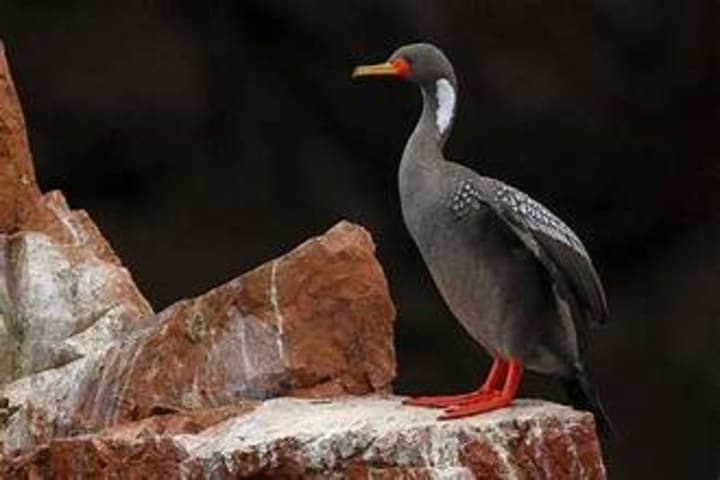
Red-legged cormorants are solitary birds that usually hunt alone or in pairs. The birds are known for their red legs, white throat patches, and yellow-red hooked beaks. Red-legged cormorants live all along the Atlantic coast of Chile and around the Strait of Magellan in the extreme southern coast of Argentina. They can be seen nesting on rocky cliffs or resting on jetties. Their diet consists of eels and anchovies, and they can dive up to 30 feet underwater to catch prey, swimming at speed with their webbed feet.
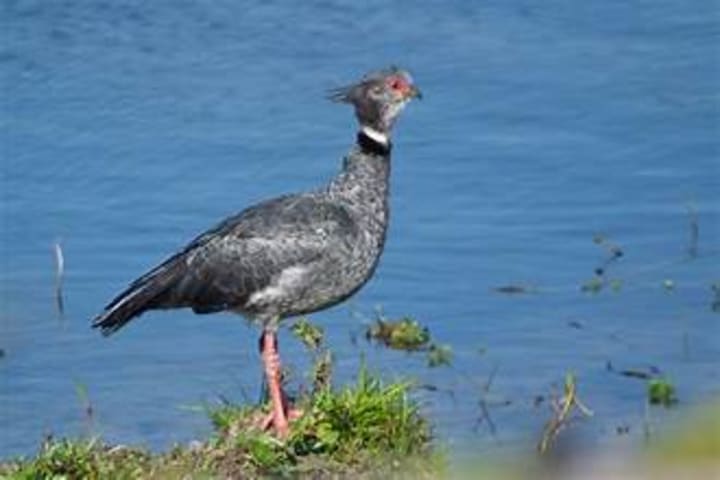
Southern screamers make their homes from Peru through the south of Brazil to Uruguay and northern Argentina. One hundred birds flock together, sounding off strident warning calls. They are not very beautiful birds with small heads and large bodies. Southern screamers are known for their large, long-toed webbed feet and can swim well. These birds are mainly vegetarian, subsisting on a diet of plants and seeds with occasional insects.
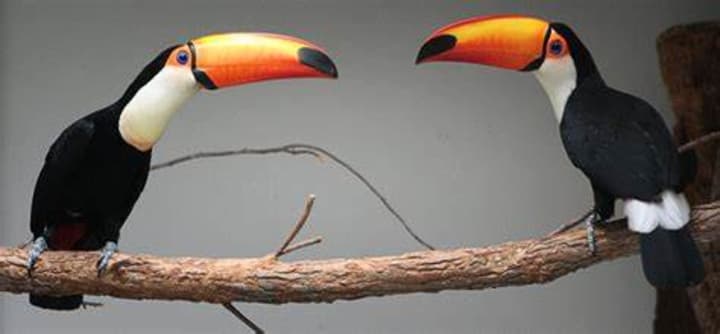
Toco toucans can be seen in eastern and southern Brazil, Bolivia, Paraguay, and into northern Argentina. However, one of the best places to spot these birds is Sao Paulo, Brazil, where they attack highway cameras. They are recognizable for their large yellow-orange bills. The birds inhabit tropical forests, gathering in small flocks. Toco toucans dine on fruits.
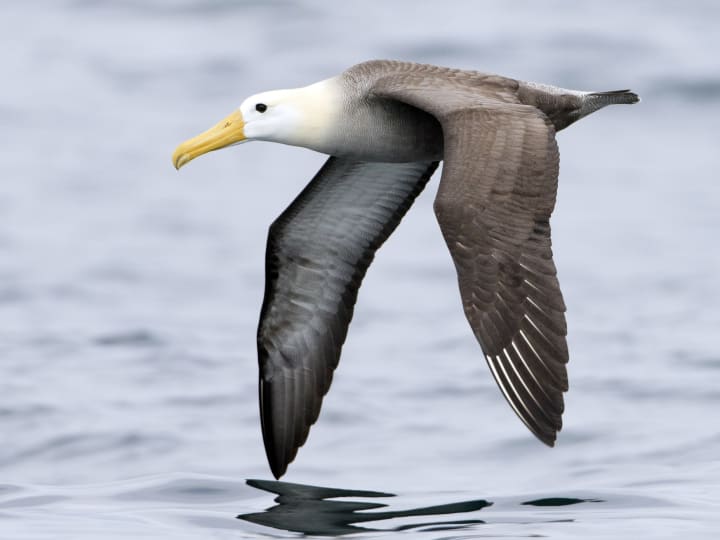
Waved albatrosses are the only albatross species preferring a warmer climate and nest exclusively on the Española Island in the Galapagos. These birds are ungainly on land, so when landing, albatrosses prefer to launch themselves off cliffs for takeoff. In the air, with their eight-foot wingspan, they can soar for hours. At sea, you might spot countless birds forming vast rafts as they feed on fish, squid, and crustaceans.
About the Creator
Rasma Raisters
My passions are writing and creating poetry. I write for several sites online and have four themed blogs on Wordpress. Please follow me on Twitter.
Keep reading
More stories from Rasma Raisters and writers in Earth and other communities.
Deck Your Home with Christmas Plants
Amaryllis is a lovely flower used for Christmas décor. The plant is vibrant red or red and white mix, making the holiday bright. Amaryllis is a plant that grows from a bulb and can be bought with the bulb already planted in a pot. You can grow it on your own in the autumn in warm climates or in a greenhouse. The flower will be in full bloom six weeks after planting.
By Rasma Raistersabout a month ago in Earth
Denmark and Greenland Prepare for US Talks as Trump Says Territory’s PM Has a ‘Big Problem’
Denmark and Greenland are preparing for crucial talks with the United States amid renewed diplomatic tension, after former US President Donald Trump claimed that Greenland’s prime minister has a “big problem.” The remarks, reported as part of ongoing European political coverage, have drawn attention to the fragile balance between diplomacy, sovereignty, and strategic interests in the Arctic. As delegations ready themselves for discussions in Washington, the episode underscores how Greenland has once again become a focal point in global geopolitics.
By Aarif Lashari4 days ago in Earth


Comments
There are no comments for this story
Be the first to respond and start the conversation.