
The Alarming Retreat of Antarctic Sea Ice: A Warming Reality
Climate Crisis Amplifier: Antarctic Sea Ice Melts and Global Implications

Introduction:
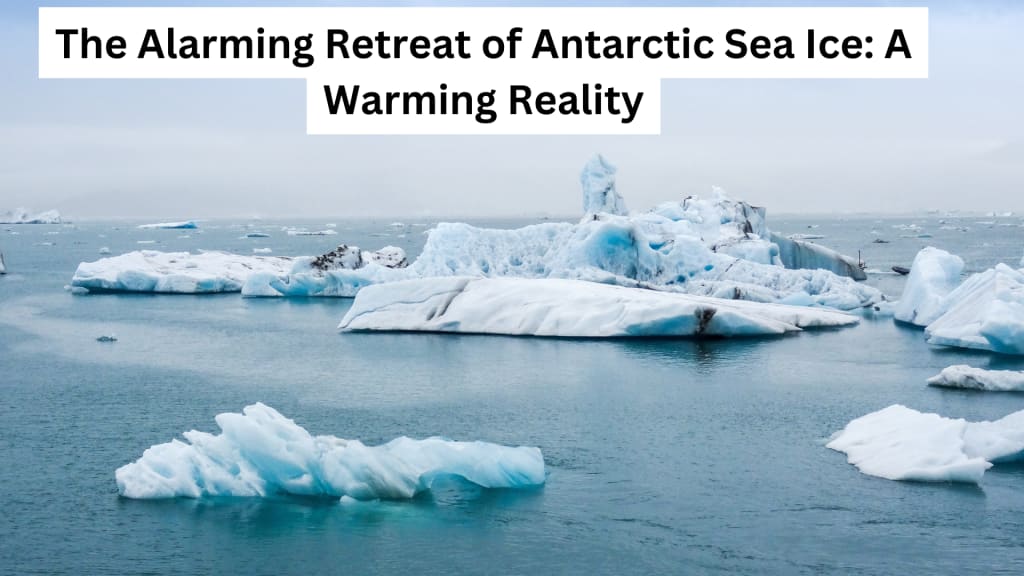
Antarctica, the icy continent at the southernmost tip of our planet, is home to vast expanses of sea ice. For years, this frigid landscape has been considered a symbol of stability and resilience. However, recent scientific studies and satellite observations reveal a disturbing trend: Antarctic sea ice is melting at an alarming rate. The consequences of this unprecedented melting are far-reaching, affecting not only the delicate polar ecosystems but also global climate patterns. In this article, we delve into the causes, impacts, and potential solutions to address this concerning phenomenon.
Causes of Antarctic Sea Ice Melting:
The melting of Antarctic sea ice is primarily attributed to the increasing global temperatures resulting from climate change. Human activities, such as the burning of fossil fuels and deforestation, have led to a significant rise in greenhouse gas emissions. These gases, particularly carbon dioxide, trap heat in the Earth's atmosphere, causing a gradual warming effect. The Southern Ocean surrounding Antarctica has absorbed much of this excess heat, leading to a reduction in sea ice formation and increased melting.
Impacts on Polar Ecosystems:
The Antarctic sea ice acts as a crucial habitat for a wide array of organisms, including krill, seals, penguins, and whales. These species have adapted to the harsh conditions and rely on the sea ice for feeding, breeding, and resting. The loss of sea ice disrupts their delicate life cycles, endangering their populations. For example, emperor penguins, known for their incredible resilience in the face of extreme conditions, require stable sea ice platforms to breed and rear their young. With diminishing sea ice, their survival is at stake.
Moreover, the melting sea ice alters the delicate balance of the Southern Ocean ecosystem. Krill, small shrimp-like creatures, form the foundation of the food chain in this region. They rely on sea ice algae for sustenance. As sea ice decreases, so does the availability of this vital food source, impacting the entire food web and threatening the biodiversity of the area.
Climate Implications:
Antarctic sea ice plays a significant role in regulating the Earth's climate. Its bright, reflective surface, known as the albedo effect, reflects sunlight back into space, preventing the absorption of excessive heat. As the sea ice melts, the dark ocean surface is exposed, absorbing more sunlight and further accelerating the warming process. This positive feedback loop amplifies climate change, leading to rising sea levels, changes in ocean currents, and altered weather patterns worldwide.
Potential Solutions:
Addressing the melting of Antarctic sea ice requires concerted efforts at both individual and global levels. Here are a few key steps we can take:
Reducing greenhouse gas emissions: Transitioning to renewable energy sources, promoting energy efficiency, and adopting sustainable practices are essential to curb climate change. Governments, businesses, and individuals must work together to reduce carbon footprints.
Protecting marine ecosystems: Establishing marine protected areas and implementing responsible fishing practices can safeguard the fragile polar ecosystems. These measures help preserve biodiversity and allow species to adapt to changing conditions.
Promoting international cooperation: Climate change is a global issue that requires international collaboration. Nations must unite to develop and implement effective policies and agreements to mitigate the causes and impacts of sea ice melting.
Advancing scientific research: Continued research and monitoring of Antarctic sea ice dynamics are vital. Increased investment in scientific endeavors will provide valuable insights into the complexities of the melting process and help inform future conservation efforts.
Conclusion:
The melting of Antarctic sea ice is a stark reminder of the far-reaching consequences of climate change. The impacts extend beyond the polar regions, affecting global climate patterns and jeopardizing the fragile ecosystems that depend on sea ice. Urgent action is needed to reduce greenhouse gas emissions, protect marine habitats, foster international cooperation, and advance scientific research. Only through collective efforts can we hope to preserve the beauty and ecological integrity of Antarctica and safeguard our planet for future generations.
About the Creator
Plantera Digital Media
welcome to my page here i share
- Stories
- Interesting facts about the world around us
- Thought-provoking theories about the nature of reality
- Useful information that can help people in their lives
Keep reading
More stories from Plantera Digital Media and writers in Earth and other communities.
Unraveling the Mysteries of Area 51: A Glimpse into the Enigmatic Facility
Introduction: Area 51 has long been shrouded in secrecy, capturing the imaginations of conspiracy theorists, UFO enthusiasts, and the general public alike. Situated in the remote desert of Nevada, this classified United States Air Force facility has become synonymous with mystery and intrigue. In this article, we delve into the enigma of Area 51, exploring its history, rumors, and the ongoing fascination it holds for many.
By Plantera Digital Media 3 years ago in Earth
El Niño is likely to return in 2026. Here's what that means for Houston and Texas.
La Niña has been active since mid-October. However, according to the January update from the National Oceanic and Atmospheric Administration, it’s likely to end over the next couple of months, and a transition to El Niño is likely to occur later this year.
By Dena Falken Esq4 days ago in Earth
High-Speed Train Crash in Southern Spain Leaves at Least 21 Dead
A devastating high-speed train crash in southern Spain has left at least 21 people dead and dozens injured, shocking the nation and triggering a major emergency response. The incident, which occurred on a busy rail route connecting key southern cities, has reignited concerns over railway safety, infrastructure maintenance, and emergency preparedness in one of Europe’s most advanced rail networks.
By Aarif Lashari16 minutes ago in Earth
Rachel Reviews: The Spiral Archive by Pieter Hendrik
It's difficult for me to know where to start with a review of this book as it was, for me, an entirely unique experience and one that I'll probably never have again. I don't want that to be interpreted as unenjoyable but it has left me scratching my head a little and ruminating on its content, its themes and its characters.
By Rachel Deemingabout 15 hours ago in BookClub


Comments
There are no comments for this story
Be the first to respond and start the conversation.