
Ten historical monsters you probably didn't know existed Part 2.
Numerous mass killings, frequent mutilations, and other acts of state-sanctioned violence plagued millions of Congolese people. Regrettably, the great European powers mentioned earlier did manage to use Belgium in one sinister way despite the fact that they all copied Belgium's brutal methods.

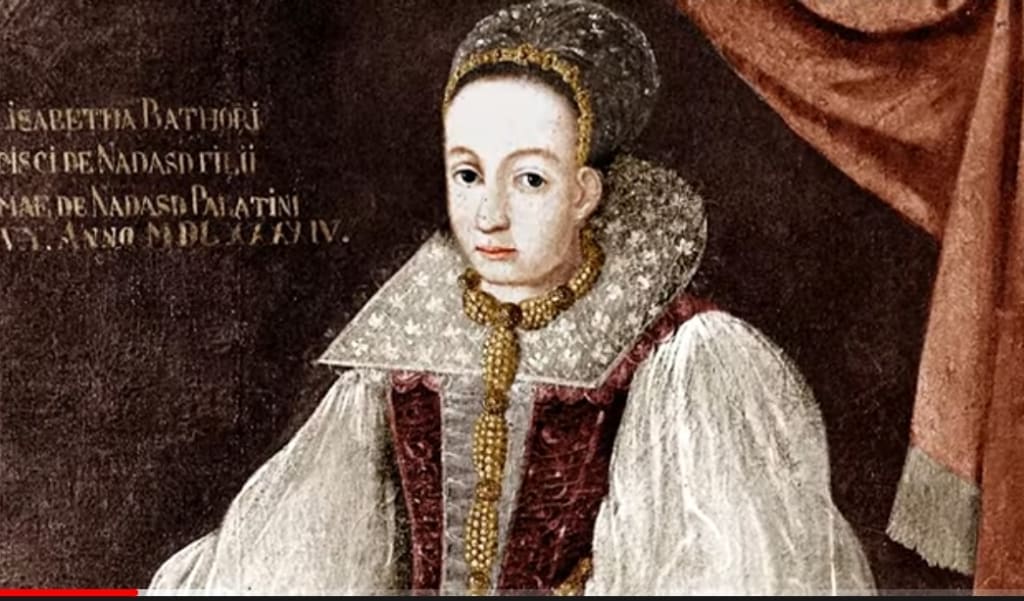
**The Shadows of Infamy: History’s Most Disturbing Criminal Minds**
Leopold II of Belgium is a figure whose name will forever be associated with the exploitation and atrocities committed in Africa. As the ruler of the Congo Free State, he faced international condemnation for his policies that led to forced labor, mutilation, and countless deaths. However, Belgium, as a small European nation, largely escaped blame, allowing Leopold to shoulder the burden of criticism alone. His narrative defense, steeped in claims of bringing "civilization" to Africa, could not mask the horrors inflicted under his reign.
Turning to another dark chapter of history, we find Leonardo Cianciulli, an infamous 20th-century Italian serial killer. Known by the nickname “Soap-Maker of Correggio,” Leonardo’s outward appearance belied her deeply disturbed mind. Beneath the façade of a kind, neighborhood woman who valued cleanliness was a person driven by an obsession with the occult and an unrelenting desire to protect her family. Convinced that human sacrifices were the only way to safeguard her loved ones, Leonardo lured unsuspecting women into her home, drugged them, and used an axe to kill them. What followed was even more grotesque: she dismembered their bodies and turned parts into soap and tea cakes. This macabre practice earned her a sinister reputation that shocked Italy when her crimes were finally uncovered. Fortunately, she was brought to justice, but not before her actions scarred a nation.
Another name etched in the annals of infamy is Carl Panzram, a man whose life was marked by violence and depravity. Born in 1891, Panzram’s troubled childhood set the stage for his descent into criminality. Over the years, he committed numerous murders, arson, sexual assaults, and burglaries. Panzram’s true nature came to light only after his imprisonment. Even then, he showed no remorse and made no effort to disguise his crimes or reform himself. Instead, he confessed to 21 murders and over a thousand acts of sexual violence. His brutal honesty shocked authorities, and he was ultimately hanged in 1930. Panzram remains a chilling example of a man completely consumed by violence.
In the 19th and early 20th centuries, Belle Gunness terrorized Laporte, Indiana, with her cunning and cruelty. Known as a black widow, Gunness lured wealthy bachelors to her farm, where they would mysteriously vanish. She would kill her victims, dispose of their remains, and profit from their wealth. Rumors about Gunness and her farm swirled for years, but it wasn’t until her property was engulfed in flames that the horrifying truth was revealed. In the charred ruins of her home, authorities found the remains of several unidentified individuals, cementing Gunness as a notorious murderer. Her story highlights the capacity for violence and deceit, regardless of gender.
During World War II, humanity witnessed some of its darkest moments, with figures like Oscar Dirlewanger epitomizing the depths of evil. As the leader of the SS Dirlewanger Brigade, Dirlewanger committed some of the most heinous atrocities of the war. Known for his sadistic cruelty, he oversaw operations marked by massacres, rape, and the torture of civilians. While Dirlewanger may not have been as infamous as Adolf Hitler or Heinrich Himmler, his actions left a lasting scar on the annals of history.
The stories of these individuals serve as stark reminders of the capacity for human cruelty. From Leopold’s exploitation in Africa to Leonardo’s occult-driven murders, Panzram’s violent rampage, Gunness’s black widow schemes, and Dirlewanger’s wartime atrocities, each case reflects a unique but chilling manifestation of evil. These figures not only left a trail of destruction in their wake but also challenged society's ability to comprehend and confront such darkness.
About the Creator
Nora Ariana
Empowering through stories and sound igniting purpose, sparking growth, and awakening the power within.
Keep reading
More stories from Nora Ariana and writers in Earth and other communities.
A goal is a dream with a deadline
A goal is a dream with a deadline. This powerful quote reminds us that without action, dreams remain just that wishes floating in our imagination. But when we set a timeline and commit to achieving them, they evolve into goals, bringing clarity, direction, and purpose. Many people go through life holding on to dreams, hoping they will come true someday. But someday is not a day on the calendar. Dreams without structure often fade with time or get buried under the weight of daily responsibilities. Turning a dream into a goal is what separates those who achieve from those who continue to wish.
By Nora ArianaExclusive • 11 months ago
The Ongoing Search for Water on Mars
For decades, scientists have been fascinated by the possibility of water on Mars. Known for its dry, dusty landscape and reddish appearance, Mars was once thought to be a completely barren world. However, modern discoveries have revealed that the planet may have once had abundant water—and scientists are still searching for evidence of it today.
By Irshad Abbasi 3 days ago in Earth


Comments
There are no comments for this story
Be the first to respond and start the conversation.