
Sustainable Development
Achieving Balance For a Better Future
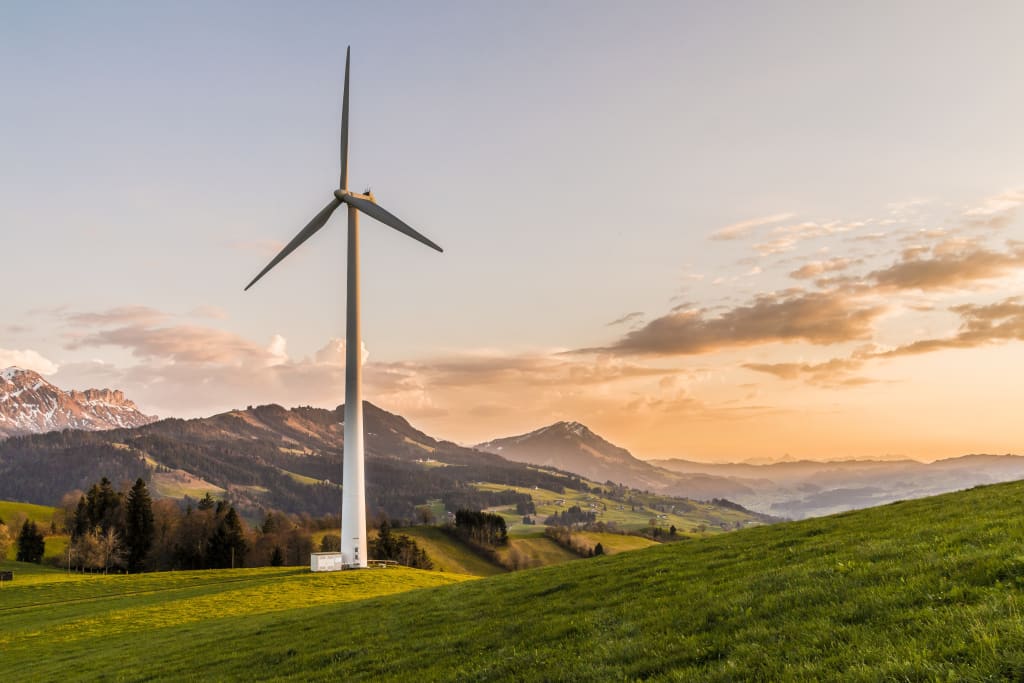
Title: Sustainable Development: Achieving Balance for a Better Future
Introduction :
Sustainable development is a concept that recognizes the interconnectedness of economic growth, environmental protection, and social well-being. It emphasizes the need to meet present needs without compromising the ability of future generations to meet their own needs. This comprehensive note explores the principles and goals of sustainable development, the challenges it addresses, and the strategies required to achieve a harmonious balance between economic progress, environmental stewardship, and social equity.
I. Principles of Sustainable Development :
Interdependence: Recognizing that economic, environmental, and social systems are interdependent and that actions in one domain can have significant impacts on the others.
Long-Term Perspective: Considering the long-term consequences of decisions and actions to ensure that they do not undermine the well-being of future generations.
Equity and Social Justice: Promoting fairness and social equity by ensuring equal access to resources, opportunities, and benefits of development for all individuals and communities.
Precautionary Approach: Taking preventive measures in the face of uncertainty to avoid irreversible harm to the environment and human well-being.
II. Goals of Sustainable Development :
Environmental Protection: Preserving and restoring ecosystems, conserving biodiversity, and reducing pollution and waste to safeguard natural resources and maintain ecological balance.
Economic Prosperity: Promoting inclusive and sustainable economic growth that generates decent work, fosters innovation, and enhances resource efficiency while addressing poverty and inequality.
Social Well-being: Ensuring access to basic services, such as education, healthcare, housing, and clean water, while promoting social cohesion, cultural diversity, and human rights.
Climate Action: Mitigating greenhouse gas emissions, adapting to climate change impacts, and promoting sustainable energy systems to address the urgent challenge of climate change.
III. Strategies for Sustainable Development :
Integrated Planning and Decision-Making: Adopting an integrated approach that considers economic, environmental, and social factors in policy formulation, urban planning, and infrastructure development.
Sustainable Consumption and Production: Encouraging responsible consumption patterns and promoting resource-efficient production processes to minimize waste generation and environmental degradation.
Renewable Energy Transition: Shifting from fossil fuels to renewable energy sources to reduce greenhouse gas emissions, enhance energy security, and foster clean and sustainable energy systems.
Conservation and Sustainable Use of Natural Resources: Implementing sustainable resource management practices, including sustainable agriculture, forestry, fisheries, and water management, to preserve ecosystems and ensure resource availability for future generations.
Green Technologies and Innovation: Investing in research and development of green technologies, such as clean energy, sustainable transportation, and waste management solutions, to drive technological advancements and promote sustainable practices.
Stakeholder Engagement and Partnerships: Engaging all relevant stakeholders, including governments, businesses, civil society organizations, and local communities, in decision-making processes and fostering multi-stakeholder partnerships to achieve shared sustainable development goals.
IV. Overcoming Challenges and Barriers :
Policy and Regulatory Frameworks: Establishing strong governance structures, enacting effective environmental regulations, and implementing policies that incentivize sustainable practices and discourage harmful activities.
Financial Resources and Investment: Mobilizing adequate financial resources, both domestic and international, to support sustainable development initiatives, including green financing mechanisms and investment in sustainable infrastructure.
Education and Awareness: Promoting environmental and sustainability education at all levels to build a knowledgeable and engaged society that values sustainable practices and understands the importance of responsible decision-making.
Addressing Inequality and Social Disparities: Tackling social inequalities and ensuring equal access to education, healthcare, and economic opportunities to promote social inclusion and reduce poverty and inequality.
Conclusion :
Sustainable development represents a holistic and forward-thinking approach that seeks to balance economic growth, environmental protection, and social well-being. By embracing the principles of sustainability and working towards its goals, we can create a world where future generations can thrive. Through integrated planning, responsible consumption and production, renewable energy transition, and stakeholder engagement, we can overcome challenges and pave the way for a sustainable future. It requires collective action, collaboration, and a commitment from governments, businesses, civil society organizations, and individuals to make sustainable choices and promote sustainable practices in all aspects of life. By striving for sustainable development, we can achieve a harmonious balance that ensures a better quality of life for present and future generations while preserving the planet for years to come.
About the Creator
Keep reading
More stories from Adamu Hafizu Chiroma and writers in Earth and other communities.
Renewable Energy
Introduction: The transition from fossil fuels to renewable energy sources is a crucial step towards mitigating climate change and achieving a sustainable future. Renewable energy technologies, such as solar, wind, hydroelectric, and geothermal power, offer clean and sustainable alternatives to traditional energy sources. This comprehensive note explores the importance of renewable energy in addressing climate change, highlights various clean energy technologies, examines policy frameworks supporting their deployment, and assesses their potential to drive a global energy transformation.
By Adamu Hafizu Chiroma3 years ago in Earth
Trump’s Message to Norway: A Controversial Diplomatic Signa
**Trump’s Message to Norway: A Controversial Diplomatic Signal** In January 2026, a written message sent by former U.S. President Donald Trump to Norway’s Prime Minister Jonas Gahr Støre sparked widespread political debate and media attention. The message quickly became a topic of discussion across the United States and Europe, not because it announced a formal policy change, but because of its tone and implications. It reflected Trump’s personal view of international recognition, his frustration over the Nobel Peace Prize, and his broader vision for American power and security in a changing world.
By America today about 15 hours ago in Earth
Pretty Privilege vs. Pretty Punishment
In today’s image-driven world, beauty is often described as a superpower. Attractive people are believed to get more opportunities, more attention, and more advantages in life. This phenomenon is commonly called pretty privilege. But there is another side of this story that is discussed far less often — pretty punishment.
By Aarif Lashariabout 21 hours ago in Earth




Comments
There are no comments for this story
Be the first to respond and start the conversation.