
Renewable Energy
Driving the Transition to a Sustainable Future
Introduction:
The transition from fossil fuels to renewable energy sources is a crucial step towards mitigating climate change and achieving a sustainable future. Renewable energy technologies, such as solar, wind, hydroelectric, and geothermal power, offer clean and sustainable alternatives to traditional energy sources. This comprehensive note explores the importance of renewable energy in addressing climate change, highlights various clean energy technologies, examines policy frameworks supporting their deployment, and assesses their potential to drive a global energy transformation.
I. The Need for Renewable Energy :
Climate Change Mitigation: The burning of fossil fuels releases greenhouse gases, contributing to climate change. Renewable energy sources produce little to no emissions during electricity generation, making them essential in reducing carbon dioxide and other pollutants.
Energy Security and Independence: Renewable energy diversifies the energy mix and reduces dependence on imported fossil fuels. It enhances energy security by utilizing domestic resources, reducing vulnerability to price fluctuations and geopolitical tensions.
Air Quality and Public Health: Traditional energy sources, such as coal, emit pollutants that have detrimental effects on air quality and public health. Shifting to renewable energy significantly improves air quality and reduces respiratory diseases and premature deaths associated with air pollution.
II. Clean Energy Technologies :
Solar Power: Solar energy harnesses the sun's radiation through photovoltaic (PV) panels or concentrated solar power (CSP) systems. Solar power is abundant, scalable, and can be deployed on rooftops, solar farms, or in utility-scale installations.
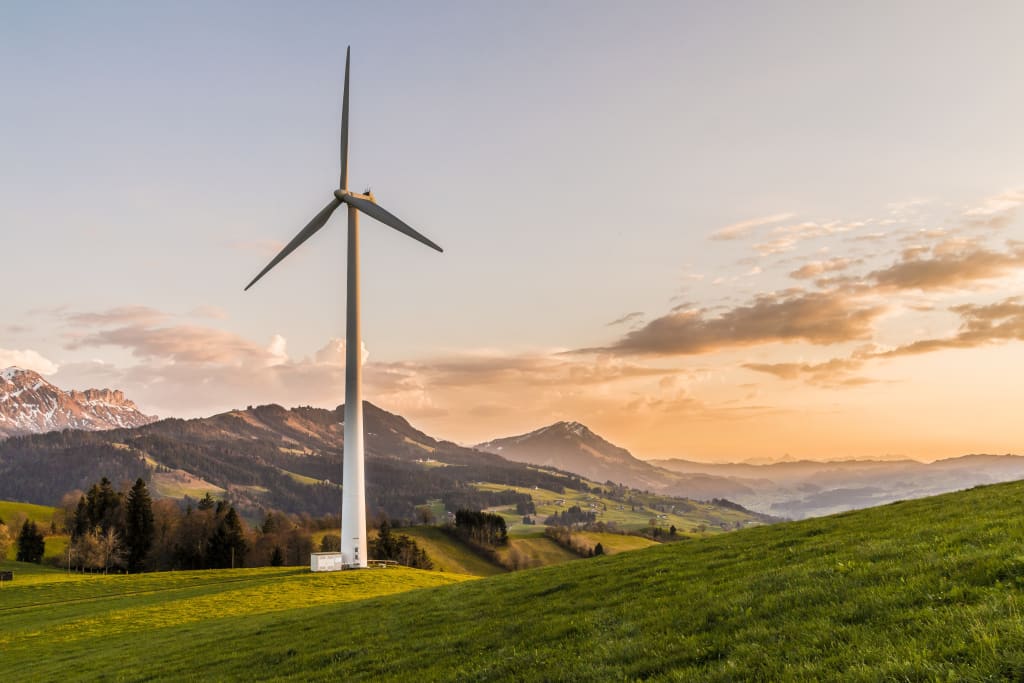
Wind Power: Wind turbines convert the kinetic energy of wind into electricity. Onshore and offshore wind farms capture wind energy and generate clean electricity at scale. Advancements in turbine technology and offshore wind development have increased its viability.
Hydroelectric Power: Hydroelectric power utilizes the gravitational force of falling or flowing water to generate electricity. It includes large-scale dam projects, run-of-river systems, and tidal or wave energy converters. Hydroelectric power is a mature technology and contributes a significant portion of global renewable energy generation.
Geothermal Energy: Geothermal energy harnesses heat from the Earth's subsurface to generate electricity or provide direct heating and cooling. It is a reliable and consistent source of renewable energy, particularly in areas with geothermal resources.
Bioenergy: Bioenergy utilizes organic matter, such as biomass, agricultural residues, and biogas, to produce heat, electricity, or biofuels. Sustainable bioenergy practices involve using feedstock that does not compete with food production and incorporating advanced technologies to minimize environmental impacts.
III. Policies and Support Mechanisms :
Renewable Portfolio Standards (RPS) and Feed-in Tariffs (FiTs): RPS policies mandate a certain percentage of electricity to come from renewable sources, encouraging utilities to invest in renewable energy projects. FiTs provide long-term contracts and guaranteed prices for renewable energy producers, incentivizing their development.
Tax Incentives and Investment Grants: Governments provide tax credits, rebates, and grants to incentivize private investment in renewable energy projects. These financial incentives reduce the upfront costs and improve the economic viability of clean energy installations.
Net Metering and Power Purchase Agreements (PPAs): Net metering allows renewable energy system owners to sell excess electricity back to the grid, reducing their energy bills. PPAs involve long-term contracts between renewable energy producers and buyers, ensuring a stable revenue stream for project developers.
Research and Development Funding: Governments invest in research and development programs to advance renewable energy technologies, enhance their efficiency, and reduce costs. Public-private partnerships also play a crucial role in driving innovation and commercialization of clean energy solutions.
IV. Potential for Climate Change Mitigation :
Reduced Greenhouse Gas Emissions: Renewable energy sources produce little to no greenhouse gas emissions during electricity generation, reducing the carbon footprint of the energy sector. By replacing fossil fuel-based power plants, renewable energy can significantly contribute to mitigating climate change.
Energy Efficiency and Conservation: The transition to renewable energy often goes hand in hand with increased energy efficiency measures. Energy-efficient buildings, appliances, and industrial processes reduce overall energy demand, making it easier to meet energy needs with renewable sources.
Decentralized Power Generation: Renewable energy technologies offer the potential for decentralized power generation, empowering communities to generate their own electricity and reducing the need for extensive transmission and distribution infrastructure. This enhances energy resilience and reduces transmission losses.
Job Creation and Economic Growth: The renewable energy sector has the potential to create millions of jobs globally. Investments in clean energy technologies stimulate economic growth, foster innovation, and create opportunities in manufacturing, installation, operation, and maintenance of renewable energy systems.
Energy Access and Equity: Renewable energy can improve energy access in remote or underserved areas where grid infrastructure is limited. Off-grid renewable energy solutions, such as solar home systems and mini-grids, provide clean and affordable electricity, empowering communities and improving livelihoods.
Conclusion:
Renewable energy represents a transformative solution to combat climate change, reduce dependence on fossil fuels, and promote sustainable development. Solar, wind, hydroelectric, geothermal, and bioenergy technologies offer scalable and environmentally friendly alternatives to conventional energy sources. Through supportive policies, financial incentives, and research and development investments, governments can facilitate the rapid deployment of renewable energy systems. The widespread adoption of renewable energy will contribute to greenhouse gas emissions reduction, improve air quality, enhance energy security, create jobs, and foster economic growth. The transition to a sustainable energy future requires a collaborative effort from governments, businesses, and individuals to embrace renewable energy solutions and accelerate the global energy transformation. By prioritizing renewable energy, we can mitigate climate change, protect the environment, and create a more resilient and equitable world for future generations.
About the Creator
Keep reading
More stories from Adamu Hafizu Chiroma and writers in Earth and other communities.
CLIMATE CHANGE
Introduction: Climate change is an urgent global issue that poses significant threats to our planet and its inhabitants. It refers to long-term shifts in temperature patterns and weather conditions, primarily caused by human activities, such as the burning of fossil fuels and deforestation. This comprehensive note aims to explore the impacts of climate change on the environment and societies, including rising temperatures, sea-level rise, extreme weather events, and changes in ecosystems. Understanding the severity of these impacts is crucial for recognizing the urgent need for collective action to mitigate and adapt to climate change.
By Adamu Hafizu Chiroma3 years ago in Earth
How Much Do You Need in an ISA for a Passive Income That Beats the State Pension?
For many people in the UK, the State Pension is expected to form the backbone of retirement income. But with rising living costs and growing uncertainty about the future, more savers are asking a crucial question: Can I build a passive income that beats the State Pension — and how much would I need in an ISA to do it?
By Aarif Lashariabout 21 hours ago in Earth
Tiny Lion Cubs Struggle To Keep Up With Mom
In the heart of the African savannah, life is a constant lesson for young animals. Few scenes are as endearing — or as heartwarming — as tiny lion cubs trying to keep pace with their mother. These little bundles of fur face a world full of challenges, from learning to hunt to avoiding dangers, all while depending on the guidance and protection of their experienced mom. Watching cubs wobble and tumble as they attempt to keep up with their mother reminds us that growing up, even in the wild, is a journey full of struggle, determination, and adorable missteps. The Early Days of Lion Cubs Lion cubs are born blind and helpless, usually in litters of two to six. For the first few weeks, they rely entirely on their mother for warmth, food, and safety. Even after opening their eyes and beginning to explore, the cubs are far from independent. The first months are crucial. Cubs learn social cues, hunting basics, and survival skills simply by watching their mother and the pride. But as anyone who has observed them knows, there’s often a huge gap between observation and action. Tiny cubs often struggle to match their mother’s pace, especially when she moves through long stretches of savannah or leads the family on patrols. A Mother’s Role in the Wild For a lioness, raising cubs is a full-time commitment. She hunts, defends her territory, and teaches her young, all while staying alert to predators such as hyenas, leopards, and even rival lions. The cubs, meanwhile, attempt to mimic her every move — often with clumsy yet charming results. A mother lion’s patience is remarkable; she frequently slows down, nudges them along, or stops to ensure no cub is left behind. These moments, while stressful for the tiny cubs, are vital learning opportunities. Struggling to Keep Up: Why It’s So Hard There are several reasons why tiny lion cubs have trouble keeping pace with their mother: Short Legs, Big Steps: Lion cubs’ legs are tiny and their coordination is limited, making it difficult to cover the same distance as an adult lioness. Curiosity: Cubs are naturally curious. A single butterfly or rustling bush can distract them, leaving mom to pause repeatedly. Energy Levels: Young lions tire quickly. Even with frequent naps, the cubs’ stamina is far lower than their mother’s. Learning Through Play: Play is not just fun; it teaches hunting, balance, and social skills. Running off to pounce on a sibling or chase an insect is all part of their education. Despite these challenges, the cubs’ determination to keep up demonstrates their resilience and growing understanding of the wild world. Lessons in Teamwork and Survival Every cub struggling to keep up is also learning crucial survival skills. The journey across the savannah is more than a test of speed — it’s a lesson in: Coordination: Cubs learn how to move efficiently across different terrains. Patience: They begin to understand the rhythms of adult life and the pace required for survival. Social Skills: Staying with the group teaches cubs how to interact with siblings and the pride, which is essential for their future roles. Observation: By following their mother, cubs study hunting techniques, territorial behavior, and predator awareness. Even the moments when cubs stumble or lag behind are essential for their development. These experiences prepare them for independence, which comes sooner than many might expect. The Cutest Moments in the Wild Anyone who has watched tiny lion cubs knows that their struggles are often irresistibly cute. Video clips from wildlife reserves frequently show cubs toddling along, tumbling over each other, or getting distracted mid-step. Observers often comment that these little stumbles reveal personality, determination, and playfulness, making them one of nature’s most heartwarming spectacles. While their mother is serious and focused, the cubs inject a sense of humor and lightness into life on the savannah. Why This Matters The struggles of lion cubs aren’t just adorable — they’re vital for understanding wildlife behavior. Conservationists and animal behaviorists use these moments to study growth patterns, social structures, and survival strategies in lion populations. These observations also highlight the importance of preserving natural habitats. Cubs must learn in a safe environment to survive; habitat loss, poaching, and climate change make these early struggles even more dangerous. Protecting the African savannah ensures that future generations of lions can experience the same lessons and playful tumbles. The Road to Independence Within a year, these tiny cubs will be more agile, faster, and more confident. By the time they reach two to three years old, males may begin to leave the pride, while females often stay and become caretakers themselves. Every misstep, tumble, and lagging moment is part of the journey toward strength, coordination, and independence. Watching them now gives us a glimpse of the challenges they will overcome, and the survival skills they will carry for life. A Celebration of Motherhood Ultimately, these scenes remind us of the incredible bond between mother and cubs. Her patience, vigilance, and teaching are the foundations of their future. The cubs’ struggles highlight the trials of growing up, while their determination showcases the resilience and beauty of wildlife. For those observing, it’s a powerful lesson in care, guidance, and perseverance, not just in lions but in the natural world as a whole. Final Thoughts Watching tiny lion cubs try to keep up with their mother is both entertaining and enlightening. It’s a story of growth, struggle, and resilience — a reminder that even the fiercest creatures start small, learning step by step. These little lions capture hearts while teaching life lessons: patience, determination, teamwork, and the importance of guidance. As they tumble and waddle across the savannah, they show us that growth is a process, one adorable misstep at a time. For wildlife enthusiasts, animal lovers, and anyone enchanted by nature, these tiny cubs are proof that even in the wild, love, care, and persistence are universal truths.
By Aarif Lashariabout 21 hours ago in Earth



Comments
There are no comments for this story
Be the first to respond and start the conversation.