
Sustainable agriculture and permaculture
Sustainable Agriculture and Permaculture: A Path Toward Ecological Balance

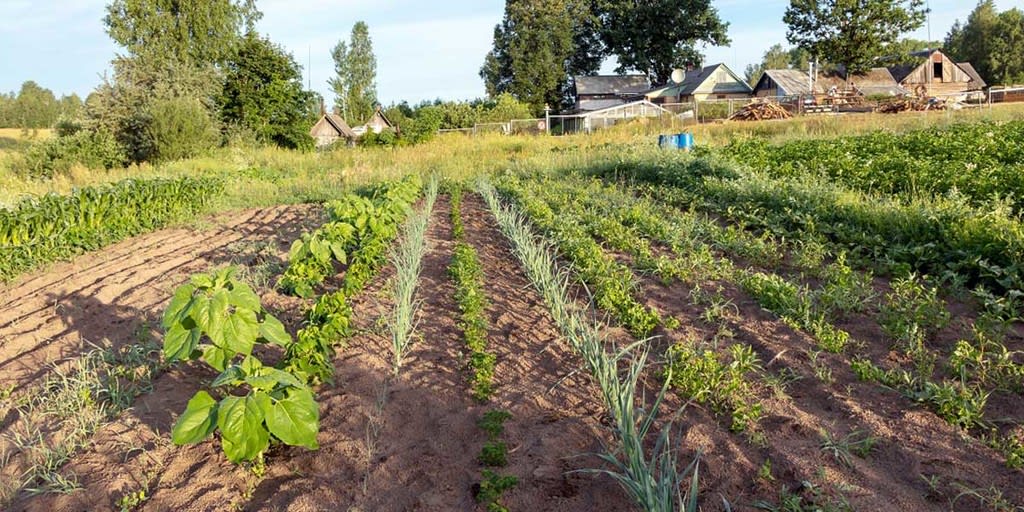
Sustainable agriculture and permaculture are two interrelated approaches that focus on creating agricultural systems that are environmentally responsible, economically viable, and socially just. Both systems aim to reduce the negative impact of conventional farming practices on the environment, while enhancing food security, biodiversity, and the long-term health of the land. While sustainable agriculture is a broad concept that includes a range of practices, permaculture is a more specific design philosophy that integrates ecological principles into agricultural practices. Both systems emphasize working in harmony with nature, rather than attempting to dominate it, which is essential for ensuring that agricultural practices remain viable for future generations.
Sustainable Agriculture: Balancing Ecological, Economic, and Social Goals
Sustainable agriculture can be understood as a way of farming that meets the needs of the present without compromising the ability of future generations to meet their own needs. This approach is based on three core principles: ecological health, economic profitability, and social equity. These principles guide the practices used in sustainable farming to minimize environmental degradation, enhance the resilience of agricultural systems, and promote fairness in food distribution.
In sustainable agriculture, there is a strong emphasis on reducing the use of synthetic chemicals such as pesticides, herbicides, and synthetic fertilizers. Instead, farmers use organic methods, crop rotation, and integrated pest management (IPM) to maintain soil health and reduce the environmental impact of farming. By using fewer chemical inputs, sustainable farmers help protect local ecosystems, water sources, and human health.
Another key feature of sustainable agriculture is the focus on soil health. Soil is the foundation of any agricultural system, and maintaining its fertility is essential for long-term productivity. Practices such as cover cropping, reduced tillage, composting, and mulching help improve soil structure, increase organic matter, and reduce erosion. These methods not only enhance soil fertility but also support biodiversity and create habitats for beneficial insects and microorganisms.
Water conservation is also a priority in sustainable agriculture. This is especially critical in areas where water is scarce. Farmers use techniques like drip irrigation, rainwater harvesting, and contour farming to reduce water usage and increase the efficiency of irrigation systems. These practices help ensure that water resources are used wisely, while also minimizing the risk of waterlogging or salinization that can result from over-irrigation.
In addition to environmental benefits, sustainable agriculture also seeks to address social equity. This means ensuring fair labor practices, promoting local food systems, and supporting farmers, especially small-scale and marginalized producers. By fostering local food economies, sustainable agriculture can reduce the carbon footprint of food transport and strengthen community ties.
Permaculture: Designing with Nature
Permaculture is a design system that goes beyond sustainable agriculture to create integrated, self-sustaining systems that mimic natural ecosystems. Developed by Australians Bill Mollison and David Holmgren in the 1970s, permaculture combines the principles of ecology with land use design to create systems that are productive, resilient, and environmentally regenerative.
One of the foundational principles of permaculture is observing and working with nature. Permaculture designs are based on careful observation of local ecosystems, climate, and soil conditions. This allows designers to understand the patterns of nature and work with them to create efficient, low-maintenance systems. For example, permaculture designs use companion planting, where different plant species are placed together to enhance each other’s growth, discourage pests, and improve nutrient cycling. By mimicking natural ecosystems, permaculture systems can reduce the need for chemical fertilizers and pesticides, as plants and animals naturally support each other in a balanced environment.
Water management is also a central concern in permaculture. Permaculture designs often incorporate rainwater harvesting, swales (shallow trenches that capture water runoff), and ponds to capture and store water. These systems help conserve water and prevent soil erosion while also promoting biodiversity by providing habitats for aquatic life.
A key feature of permaculture is the use of polycultures (growing multiple crops together) instead of monocultures (growing a single crop). In a polyculture, different plants complement each other by varying their root depths, nutrient needs, and pest-resistance strategies. This diversity helps to reduce the risk of crop failure due to pests or disease and improves the overall health of the soil. Additionally, permaculture emphasizes the use of perennial crops—plants that live for multiple years—over annuals, which must be replanted each season. Perennials help reduce soil disturbance and promote long-term sustainability.
Permaculture also emphasizes the importance of local food systems and community resilience. By designing productive landscapes that provide food, water, and shelter for both humans and wildlife, permaculture encourages self-sufficiency. This holistic approach supports sustainable livelihoods and empowers communities to take control of their own food production, reducing dependence on industrial agriculture and global food systems.
Integrating Sustainable Agriculture and Permaculture
Sustainable agriculture and permaculture share many common principles and can be complementary when integrated. Both approaches prioritize environmental stewardship, the conservation of resources, and the promotion of biodiversity. While sustainable agriculture focuses on improving the sustainability of traditional farming practices, permaculture takes a broader, more holistic approach by designing entire ecosystems that are self-sustaining and resilient.
Farmers and landowners can integrate permaculture principles into sustainable agriculture by diversifying their crops, reducing chemical inputs, and using holistic water and soil management techniques. The combination of sustainable farming methods with permaculture design can create agricultural systems that not only support the needs of the present but also contribute to the long-term health of the planet.
IN THE END
Sustainable agriculture and permaculture represent powerful alternatives to conventional farming practices that often degrade the environment and harm social equity. By prioritizing ecological health, resource conservation, and community resilience, these approaches offer a pathway toward a more sustainable and just food system. Both systems emphasize the importance of working with nature, fostering biodiversity, and building systems that can endure over time. As the world faces growing challenges related to climate change, resource depletion, and food insecurity, sustainable agriculture and permaculture offer hopeful solutions that align with both ecological principles and human well-being.
About the Creator
Badhan Sen
Myself Badhan, I am a professional writer.I like to share some stories with my friends.
Keep reading
More stories from Badhan Sen and writers in Earth and other communities.
Fossil fuels and carbon footprint
However, their environmental impact, particularly their contribution to climate change through carbon emissions, has become a major global concern. The term “carbon footprint” refers to the total amount of greenhouse gases, primarily carbon dioxide (CO₂), released into the atmosphere as a result of human activities. This includes everything from the burning of fossil fuels for electricity, heating, and transportation, to deforestation and other industrial processes. Let’s explore how fossil fuels contribute to the carbon footprint and the broader environmental implications of this.
By Badhan Senabout a year ago in Earth
Pumas Are Back in Patagonia and Penguins Are Paying the Price
Subtitle In the windswept coastal plains of Patagonia, Argentina, a dramatic ecological story is unfolding: pumas (Puma concolor) — once driven from the region — have returned to the land and begun preying on Magellanic penguins (Spheniscus magellanicus). This new predator‑prey interaction is providing scientists with a rare glimpse into how the comeback of an apex carnivore can reshape ecosystems in unexpected ways — and what it means for a beloved bird species.
By Sadaqat Aliabout 7 hours ago in Earth
Dozens of Flood Warnings Issued in England After Days of Relentless Rain
England is grappling with widespread flooding after several days of continuous heavy rain, prompting the Environment Agency to issue dozens of flood warnings across multiple regions. The intense rainfall has overwhelmed rivers and drainage systems, causing water levels to rise dangerously in both urban and rural areas. Emergency services are on high alert, assisting communities affected by the deluge.
By Ayesha Lashariabout 22 hours ago in Earth


Comments
There are no comments for this story
Be the first to respond and start the conversation.